
Add Row
Add Element
cropper
update
AutoInsiders
update
Add Element
  • Home
  • Categories
    • insider tips
    • expert reviews
    • industry trends
    • automotive knowledge
    • car insights
    • vehicle advice
    • maintenance tips
    • buying guides
    • market analysis
    • performance reviews
October 09.2025
3 Minutes Read

Affordable Electric Vehicles: 2027 Chevrolet Bolt Returns at $28K

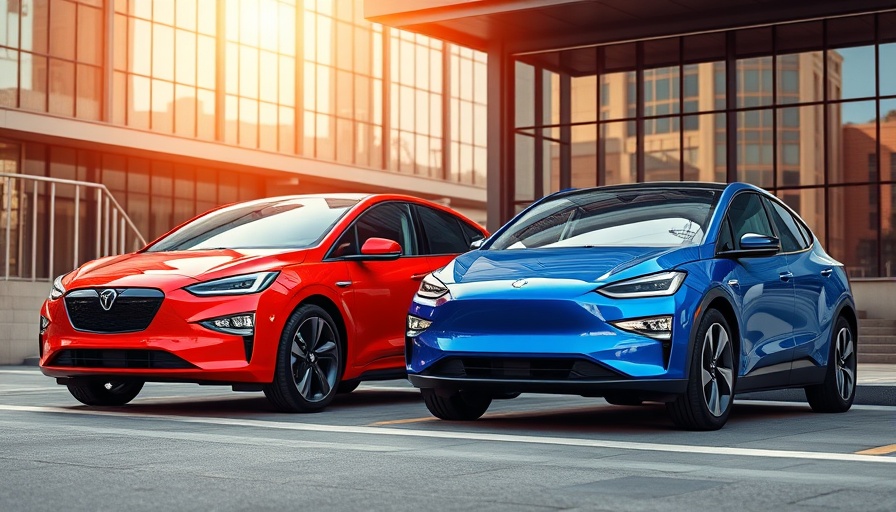
2027 Chevrolet Bolt electric cars in vibrant urban setting.

Chevrolet's Return to Affordable Electric Vehicles

The return of the Chevrolet Bolt for the 2027 model year marks a significant shift in the automotive landscape. As the demand for affordable electric vehicles (EVs) continues to grow, Chevrolet seems to be responding to consumer desires with its latest offering. With a starting price of $28,995, the Bolt aims to reclaim the title of the most affordable electric vehicle on the market, challenging competitors like Tesla and Volvo. GM's commitment to affordability is crucial as more drivers seek green alternatives that won't break the bank.

A Glimpse at Pricing and Features

The new Chevrolet Bolt showcases a competitive starting price of $28,995, with its LT trim costing slightly more at $29,990, inclusive of destination fees. These price points position the Bolt well against other EVs, particularly for consumers eager to make the switch without financial strain. Beyond pricing, the Bolt packs a punch with modern features designed to satisfy daily drivers. With an estimated range of up to 255 miles on a single charge, it outperforms many of its contemporaries in the under-$30,000 category.

Charging Ahead: Innovations in Efficiency

One standout feature of the 2027 Bolt is its fast-charging capabilities. GM has equipped the vehicle with a native NACS port and DC fast charging up to 150 kW, allowing the battery to go from 10% to 80% in roughly 26 minutes at appropriate charging stations. For those who prefer home charging, the Bolt supports up to 11.5 kW Level 2 charging, adding around 40 miles of range per hour, making it feasible for many users.

State-of-the-Art Technology for Modern Drivers

The interior of the 2027 Chevrolet Bolt emphasizes accessibility and comfort. It features an 11.3-inch infotainment screen equipped with Google built-in, paired with an 11-inch configurable driver display. This tech-savvy design allows drivers to access navigation services that plan charging stops while considering real-time station availability. Moreover, the system supports voice commands for a seamless driving experience, whether it's for navigation, climate control, or communication.

Safety Features that Inspire Confidence

Beyond convenience and range, safety emerges as a core attribute of the new Bolt. More than 20 standard safety features—including automatic emergency braking, cross-traffic alerts, and lane-keeping assistance—underscore Chevrolet's dedication to driver and passenger safety. An available Tech Package enhances safety with features like HD Surround Vision and digital rear camera mirrors to better equip drivers for every journey.

Roominess Meets Practicality

The Chevrolet Bolt is designed for everyday practicality. With a passenger volume of 96.6 cubic feet and cargo space of 56.3 cubic feet with rear seats down, the vehicle effortlessly accommodates families and gear alike. Features like an open center console and multiple USB-C ports showcase thoughtful design aimed at maximizing comfort and usability.

Competitive Edge in the Automotive Market

As the automotive industry evolves, the Chevrolet Bolt stands out as a symbol of affordability and practicality—promising not only a welcome return for EV enthusiasts but also posing a challenge to competitors in the EV market. With increased focus on sustainability and affordability, consumers are more likely to turn to automakers who strive to meet these demands.

In summary, the anticipated return of the Chevrolet Bolt is not just about a new car; it's a response to the ongoing transformation in the automotive industry towards more accessible electric vehicle options. By combining competitive pricing, innovative features, and robust safety measures, Chevrolet is signaling its dedication to leading the way in the EV segment.

As the release date approaches, interested buyers should reach out to local dealers to explore their options for this groundbreaking model.

automotive knowledge

23 Views

0 Comments

Write A Comment

*
*
Please complete the captcha to submit your comment.
Related Posts All Posts
04.11.2026

Toyota RAV4 Hybrid Battery Replacement Costs: What You Need to Know

Update Understanding the Cost of Replacing the Toyota RAV4 Hybrid Battery The demand for hybrid vehicles, particularly the Toyota RAV4, has surged in 2026, prompting a wave of inquiries from consumers about long-term ownership costs, especially regarding battery replacement. Replacing a hybrid battery can be a significant financial consideration for those who own or are considering purchasing a car with a hybrid engine. Why Battery Replacement Is Necessary Hybrids like the Toyota RAV4 benefit from more durable engines that extend overall vehicle lifespans. However, even with this added reliability, it’s essential to remember that the battery remains one of the key components that will need replacing after significant mileage—typically around 200,000 miles. The battery packs used in hybrid vehicles, often lithium-ion or nickel-metal hydride, are designed to last but will inevitably degrade due to extensive use and natural chemical breakdown over time. Current Costs and Factors to Consider The good news for hybrid owners is that the cost of replacement batteries has significantly decreased compared to earlier models. Inflation and advancements in battery technology have made replacement options more accessible. Currently, depending on the dealer or independent mechanic, replacing a Toyota RAV4 hybrid battery can range from $2,500 to $4,000, which still remains a vital aspect of car ownership budgeting for long-term hybrid enthusiasts. This encompasses more than just the battery itself; installation and potential warranty issues may add to the total costs, and each owner's experience can vary based on location and service options. Reliability and Longevity of Modern Hybrids Technological advancements in hybrids mean that vehicle owners no longer need to dread battery replacement like they once did. Companies like Toyota have invested heavily in making their hybrid technology not only more efficient but also far more reliable and cost-effective. As hybrid technology continues to evolve, consumers may find improved options available, reducing costs and improving reliability. Driving Behavior: A Key to Battery Life How a driver operates their vehicle can also influence battery life significantly. Aggressive driving styles, frequent high-speed accelerations, and hitting high temperatures can all contribute to a battery's quicker degradation. On the other hand, a more moderate driving style may extend the life of the battery, allowing hybrid owners to maximize the interval between replacements. The daily patterns of use significantly impact vehicle health, and they can either hasten or extend the longevity of critical components. Emerging Trends in Hybrid Vehicle Affordability and Sustainability As we look towards the future, the trends of hybrid cars becoming affordable while maintaining sustainability promise to reshape the car market. The increasing demand for hybrid technology aligns with broader energy conservation and environmental efforts. Drivers are becoming more conscious of their vehicle choices, opting for better performance with lower emissions. Toyota continues to innovate, integrating energy-efficient technologies that not only improve cost-effectiveness but also align with consumer demand for sustainable driving options. Final Thoughts on Battery Replacement for the Toyota RAV4 Hybrid Keeping in mind the benefits, reliability, and costs of owning a hybrid, the decision to own a vehicle like the Toyota RAV4 is becoming increasingly appealing. While battery replacements are part of the long-term consideration, the advancements in battery technology and reduced costs offer a positive outlook for potential and current hybrid owners. Understanding the costs associated with replacing a hybrid battery, driving behavior's impact, and future industry trends creates a well-rounded perspective necessary for informed vehicle ownership.

04.11.2026

Discover How CGI Transforms Automobile Design and Prototyping

Update The Revolutionary Impact of CGI on Automobile Design In the ever-evolving world of automobile manufacturing, the integration of Computer-Generated Imagery (CGI) has ushered in a new era of design and prototyping. With the automotive industry continuously adapting to technological advancements, the significance of CGI cannot be overstated. By enhancing visual representations and facilitating design decisions, CGI is transforming how automobiles are conceptualized and developed. Historical Context of Automotive Designs The art of automobile design dates back to the early 1900s when the first mass-produced cars, such as the Model T, emerged. Auto manufacturers predominantly relied on sketches to envision their concepts. As the industry evolved, so did the complexity of vehicle designs, leading to the need for more sophisticated visualization techniques. By the 1920s, advancements in materials and manufacturing further necessitated accurate representations of vehicles. Today, CGI offers a revolutionary tool that not only captures the imagination but enables designers to manipulate the vehicle's visual fidelity like never before. Benefits of Implementing CGI in Early Design Phases One of the primary advantages of employing CGI early in the automotive design process is its ability to enhance communication among multidisciplinary teams. Designers, engineers, and product leaders can collaborate more effectively by using visual models instead of static sketches, ensuring everyone has a shared understanding of the vehicle’s characteristics. CGI helps address basic questions about proportions, surface tension, and visual weight, thus avoiding critical design flaws before they escalate into costly changes during production. From Visualization to Reality: Creating Better Prototypes The role of CGI extends beyond mere visualization. With the advancements in technology, manufacturers can now create virtual prototypes that closely resemble the finalized product, allowing for extensive evaluations of aesthetic elements such as reflections, lighting, and material textures. This adaptation leads to fewer surprises during physical prototyping, as teams can predict performance issues and design clashes before materials are employed. As noted, this precision translates to reduced waste; fewer physical prototypes are needed, minimizing both costs and environmental impacts. The Emotional Connection Between Consumers and Automotive Design Vehicles represent more than just means of transportation—they embody emotion and individuality. A minor design miscalculation can significantly alter a car's character, which is why CGI plays a vital role in identifying and addressing these subtleties early in the design stages. The ability to render materials, colors, and intricate details accurately allows manufacturers to evoke the right sentiments among potential consumers, ultimately aiming for that emotional connection crucial for brand loyalty. Communication Across Diverse Teams In the automotive design process, aligning various disciplines—designers, engineers, and marketing strategists—can be challenging. CGI simplifies this communication by providing a visual touchpoint that transcends technical jargon. Whether addressing a trim issue or a cabin design, teams can refer to the digital model collaboratively, ensuring that every aspect meets both aesthetic desires and functional requirements. Looking Ahead: The Future of CGI in Automotive Design The trajectory of CGI in the automotive sector signals potential for even more refined digital experiences. As technologies advance, so will the realism of 3D models and the possibilities for interactive evaluations. Virtual reality (VR) and augmented reality (AR) might become staple tools to simulate driving experiences, presenting users with immersive insights long before a single bolt is fastened. The aim is clear: to not merely create vehicles but to craft experiences, shaping how consumers engage with mobility. Conclusion: The Transformative Power of CGI The journey of automobile design has shifted dramatically with the introduction of CGI, morphing how manufacturers visualize and create vehicles. By enhancing early-stage design clarity and collaboration, CGI plays a pivotal role in producing desirable and innovative automotive products. As the industry progresses, the potential for CGI will continue to expand, further intertwining technology with the artistry of automotive design. As these advancements unfold, staying informed on the latest trends and technological integrations can empower enthusiasts and professionals alike. Keep an eye on the evolving landscape of automotive design, as it continues to redefine our driving experiences. Are you ready to embrace the future of CGI and automobiles?

04.11.2026

Hyundai's Venus and Earth Concepts: A Bold New Ioniq Future for China

Update Hyundai's Bold New Direction: The Future of Ioniq in China Hyundai has always been known for its daring designs, and the unveiling of the Venus and Earth concepts marks a significant turning point for the company's electric vehicle (EV) strategy in China. By moving away from the traditional styling of the Ioniq brand— characterized by its pixel-heavy design language—these new concepts emphasize a more sculptural and confident aesthetic. A Fresh Interpretation of EV Design The Venus concept stands out with its sleek hatchback silhouette, merging elements of a sedan and a fastback. Its radiant gold finish, crisp body surfacing, and pod-like proportions push it into the realm of futuristic art while steering clear of gimmicks. Stepping inside, one can find an interior that strongly leans towards minimalism. With an oversized screen setup, an octagonal steering wheel, and soaring ambient gold lighting, the Venus is designed for an emotional connection rather than merely functional utility. This transformation highlights how Hyundai is prioritizing customer experience as EV ownership evolves. Earth: The Adventurous SUV The Earth concept, in contrast, sports a chunkier SUV form, radiating robustness while maintaining sharp features. Its design hints at adventure, equipped with thin lighting elements and geometric detailing that evoke a sense of ruggedness, perfect for those seeking both utility and style. Featuring innovative “air-hug seats,” which promise to wrap around the occupant in a supportive embrace, the Earth emphasizes a comfortable user experience alongside its bold design. Strategic Focus on the Chinese Market What makes these concepts particularly significant is their implication for Hyundai's long-term strategy in China—one of the most competitive EV markets globally. By naming these models after planets, Hyundai seeks to cultivate a unique identity tailored specifically for the Chinese audience rather than employing a generic global playbook. In a market swamped with traditional designs, the Venus and Earth concepts aspire to attract attention through their boldness and originality. Looking Ahead: The Influence Beyond Borders Even if not every element of these concepts makes it to production, it's unlikely their inspiration will be confined within China's borders. Automotive brands worldwide are learning from emerging design philosophies, particularly as global consumer preferences shift towards bolder aesthetics in EVs. Hyundai's approach is a refreshing divergence from its more conservative past, indicating that future models are poised to be sharper and less conventional. The Landscape of Global EV Competitors As Hyundai sets its sights on redefining its Ioniq lineup, the competition is fueled by rapid advancements in the automotive industry. From EV giants such as Tesla to newcomers fiercely competing for market share, innovation is a constant. The biggest car company in the world is no longer merely identified by its history, but rather by its ability to adapt and respond to evolving consumer demands. With concepts like Venus and Earth, Hyundai strives to make a crucial mark as a formidable player within this dynamic landscape. Conclusion: A Call to Stay Informed The daring introductions of the Venus and Earth concepts signal profound shifts not only for Hyundai but for the entire automotive industry. Emphasizing boldness and emotional connection, Hyundai's future direction aims to captivate consumers' attention. As we await the production versions of these models, it’s essential to stay informed about the evolution of the automotive industry, especially through innovative designs that redefine what an EV can be. For the latest updates on automotive innovations, consider subscribing to an automotive industry newsletter, where you can continue to discover exciting developments on the biggest automobile industry trends.

Terms of Service

Privacy Policy

Core Modal Title

Sorry, no results found

You Might Find These Articles Interesting

T
Please Check Your Email
We Will Be Following Up Shortly
*
*
*