


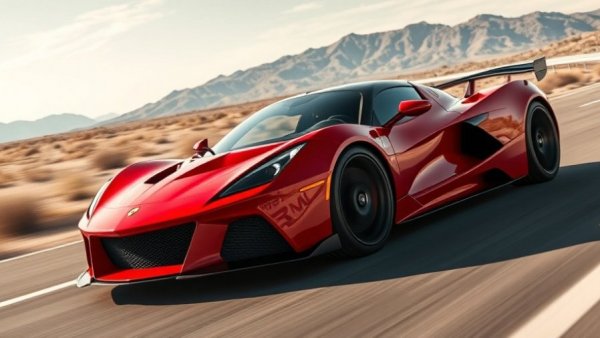
The Birth of a Speed Demon
The world of speed has officially been shaken to its core with the arrival of the BYD Yangwang U9 Xtreme, now recognized as the fastest production car on the planet. This electric hypercar has not only achieved a jaw-dropping speed of 312.65 mph (503.17 km/h) but also shattered the notorious 500 km/h barrier. The record-breaking run, officially sanctioned by the Fédération Internationale de l’Automobile (FIA), took place in the vast stretches of Abu Dhabi’s Sheikh Khalifa Bin Zayed International Road on November 1, 2026. Behind the wheel was none other than professional racing driver Marc Basseng, who managed to push this remarkable vehicle to speeds that previously seemed impossible.
Engineering Genius Behind the U9 Xtreme
Reaching such extraordinary speeds required more than just raw power. The Yangwang U9 Xtreme features four independently controlled electric motors that collectively produce an astounding 2,977 horsepower. This power translates to approximately 744 horsepower per motor, which is more than double the output of the standard U9 model. Operating on an advanced 1,200-volt electrical architecture, this technology not only allows for rapid acceleration but also manages the electrical and thermal stresses related to it.
The design of the U9 Xtreme is a testament to cutting-edge engineering. Innovative techniques and high-end materials have been employed to optimize performance while ensuring safety at extreme speeds. The vehicle was rigorously tested, with engineers refining components like the active suspension system to allow for superior handling. The night leading up to the record attempt saw a flurry of activity as engineers meticulously recalibrated settings, modified tire pressures, and enhanced aerodynamic balance to prepare for the monumental challenge ahead.
Innovation in Tire Technology
One standout feature of the U9 Xtreme that contributed to its record-breaking performance is its specially developed tires. Partnering with Giti Tire, the Yangwang team crafted semi-slick tires built to withstand the extreme forces exerted during high-speed runs. These tires are critical, as even the slightest imperfection at 312 mph can lead to disastrous consequences. The connection between the tires and wheels was meticulously designed to minimize unwanted movements during rapid acceleration and braking, a key aspect of ensuring safety at such high velocities.
Challenges Overcome on the Road to 312 MPH
Achieving this remarkable feat wasn’t simple. On their first attempt on October 31, the U9 Xtreme reached a notable speed of 304.5 mph but fell short of the 500 km/h milestone. Instead of being satisfied with an already impressive achievement, the engineers dove into refining the car’s setup. The shift from just good to record-breaking takes countless trials, refinements, and sheer determination. The team worked tirelessly to analyze data collected from the initial runs, identifying areas for improvement that could make the crucial difference in performance.
The Significance of This Achievement
The U9 Xtreme's achievement is monumental not only for BYD but also for the broader automotive landscape. This record challenges preconceived notions that European manufacturers solely dominate the high-performance segment of the automobile industry. The U9 Xtreme's success signifies a promising shift, with innovative engineering in the electric vehicle sector now gaining the spotlight. It showcases how rapid advancements in technology can lead to breakthroughs that alter the dynamics of competition in the automotive market.
A New Era in Automotive History
As the first production car to eclipse 500 km/h, the U9 Xtreme marks a pivotal moment in automotive history—opening the doors for future advancements in electric vehicle technology and hype surrounding performance cars. This emerging trend may ultimately lead to an increased focus on sustainable yet high-performing vehicles, changing how we perceive speed and driving. Traditional gas-powered hypercars may soon find themselves in rivalry with electric models that are only beginning to explore their potential.
Future Outlook: What Lies Ahead for Hypercars?
With the record now established, many in the industry are speculating on what the future holds. Would we witness an arms race among manufacturers to break this new barrier? Could we see even more electrification in the hypercar segment? These questions linger as enthusiasts and industry experts alike look toward the next innovations that might soon redefine speed. As global interest in sustainability grows, the automotive sector might find itself in a transformative shift where electric vehicles take center stage—not just for their eco-friendly attributes but also for their incredible performance capabilities.
The achievement of the U9 Xtreme also invites curiosity about the engineering feats required not only to reach such speeds but to maintain vehicle control. Future designs will no doubt draw from the lessons learned during the U9 Xtreme's record run. Hypercar manufacturers are likely to seek new approaches in aerodynamics, battery efficiency, and cooling systems that can handle extreme performance demands while ensuring driver safety.
Conclusion: A Leap Forward in Speed and Sustainability
The BYD Yangwang U9 Xtreme is more than just a record-breaking car; it is a beacon of innovation that showcases what is possible when advanced technology meets ambitious goals. As the automotive industry shifts toward electrification, the success of the U9 Xtreme points toward an exciting and competitive future. It serves as a testament to the fact that speed, performance, and sustainability can go hand in hand. For car enthusiasts and industry insiders alike, the world will be watching closely as we all await what advancements will come next in the race for speed.





Write A Comment