


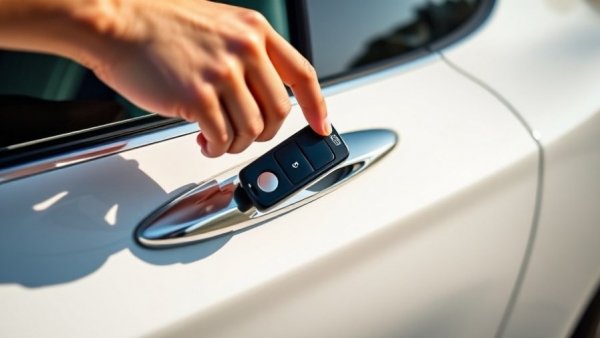
Understanding How Anti-Theft Devices Influence Insurance Premiums
In today’s automotive landscape, the safety and security of vehicles are paramount. One of the compelling strategies to ameliorate insurance costs is the installation of anti-theft devices. However, the financial benefits realized through such installations can vary widely based on several factors, including the insurance provider, vehicle make and model, as well as the specific anti-theft measures employed. As a car owner, understanding how these factors intersect is essential for making informed decisions that could save you money in the long run.
Determining Eligibility for Insurance Savings
Potential savings from anti-theft installations can manifest in various forms—a discount on premiums, the removal of a theft surcharge, or even assistance with installation costs. Each of these approaches influences the vehicle owner's expenses differently. It’s important for car owners to grasp the specifics of what their insurer offers: Are they receiving a straightforward discount for an approved security feature, or is an extra charge being alleviated due to a higher risk assessment of their vehicle? Knowing these details can significantly impact your total insurance expenditures over time.
The variance in potential savings often leads vehicle owners to gamble on whether the anti-theft device they plan to purchase will meet the insurance company’s requirements. This uncertainty can lead to additional expenses, particularly if the device turns out not to qualify for the expected insurance savings. Such a gamble underscores the necessity of thoroughly researching insurers' requirements and approved devices before making a purchase.
The Role of Anti-Theft Technology
Different types of anti-theft technology serve unique functions. Immobilizers, for example, prevent the vehicle engine from starting unless the correct key or fob is being used. While many new vehicles come equipped with factory-installed immobilizers, not all meet the insurance company's criteria for additional savings. Therefore, vehicle owners must ensure that any added protection they invest in goes above and beyond basic features to maximize potential savings.
Beyond immobilizers, other anti-theft devices, such as steering wheel locks and tire locks, can serve as visible deterrents to thieves. While these physical locks may not always guarantee a discount, they can enhance the overall security of your vehicle and potentially make it less attractive to criminals.
Tracking Systems: A Complementary Benefit
On the other hand, tracking systems are primarily utilized after a theft has occurred, assisting law enforcement in recovering the vehicle. The effectiveness of these systems can vary considerably based on response protocols set by insurance providers. Some systems may also include tracking capabilities that can help retrieve stolen vehicles more swiftly, thereby minimizing the losses incurred by both owners and insurers.
The key takeaway is that while both immobilizers and tracking devices enhance vehicle security, understanding the differing roles they play is crucial when speaking with insurers about potential premium reductions. Insurers may provide specific guidelines on how effective these systems are in decreasing theft risk and, consequently, insurance costs.
Financial Considerations of Device Installation
Before investing in an anti-theft device, prospective buyers should ascertain the costs not just of the device itself, but also ongoing maintenance, installation, and possible subscription fees tied to the operation of the protection system. Factors like the recertification of devices, installation invoices, and ongoing activation of tracking services are essential details to clarify with an insurance provider as they can substantially affect the overall value of the insurance savings.
Additionally, some devices might require an ongoing subscription for monitoring services. If you plan to install a high-end system that includes 24-hour monitoring, be sure to factor this into your budget. The overall costs might still yield savings on insurance premiums, but it's essential to have a comprehensive understanding of potential fees and their implications on your finances.
Future Trends in Automotive Security and Insurance
As auto manufacturers continue to innovate in the realm of vehicle security, new systems integrating advanced technology are likely to emerge. As seen in the growing integration of software updates and extra monitoring systems, the future of car safety seems set to transform dramatically. Beyond just physical barriers, technologies such as biometric access, facial recognition, and machine learning systems could redefine vehicle security.
With these innovations, insurance providers may evolve their policies to encourage such technologies, thus modifying premium structures in favor of tech-savvy consumers. Staying ahead of these trends can provide vehicle owners with not only enhanced safety but also more favorable insurance rates.
Protecting Your Investment: The Bottom Line
Ultimately, when considering installing an anti-theft device, it is critical for car owners to conduct thorough research. They should verify device qualifications with their insurance company, understand all installation costs, and remain aware of the requirements necessary to retain discounts or rebates. Should you decide to move forward with an anti-theft purchase, keeping detailed documentation of expenses and communications with your insurer can help solidify any premium reductions or benefits gained.
Additionally, engaging in open discussions with your insurance agent about these devices can yield unexpected insights into how various features can lower your premiums. Insurers appreciate proactive clients who take the initiative to protect their investments and may offer further advice or discounts.
Conclusion: Taking Action Today
To make the most of your insurance investment, look into anti-theft systems that not only enhance vehicle security but also qualify for discounts with your insurance provider. Consult with professionals, ask the right questions, and take proactive steps in fortifying your vehicle’s safety. Understanding these factors can lead to significant financial savings and peace of mind, transforming your approach to vehicle ownership and insurance commitment. The interplay between proactive security measures and informed insurance choices can ensure a more secure experience on the road.







Write A Comment