
Add Row
Add Element
cropper
update
AutoInsiders
update
Add Element
  • Home
  • Categories
    • insider tips
    • expert reviews
    • industry trends
    • automotive knowledge
    • car insights
    • vehicle advice
    • maintenance tips
    • buying guides
    • market analysis
    • performance reviews
August 19.2025
3 Minutes Read

Chicagoland Speedway's Comeback to NASCAR in 2026: What Fans and Bettors Should Expect

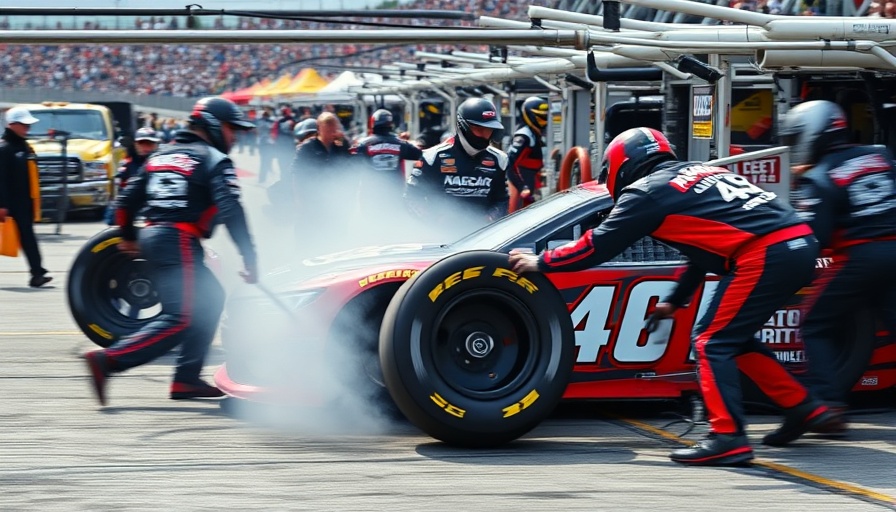
Chicagoland Speedway returns to NASCAR 2026 with thrilling pit stop.

The Exciting Return of Chicagoland Speedway to NASCAR in 2026

After years of absence from the NASCAR Cup Series, Chicagoland Speedway is set to make its triumphant return in 2026, replacing the Mexico City race. Located in Joliet, Illinois, this iconic 1.5-mile tri-oval has long been a favorite among fans and drivers alike, renowned for its thrilling races and dramatic finishes. As racing fans and sports bettors alike gear up for the return of this venue, anticipation builds over what it means for the NASCAR calendar and its implications for the betting world.

Historic Significance of Chicagoland Speedway

Chicagoland Speedway opened its doors in 2001 and quickly established itself as a key venue in the NASCAR circuit. Over the years, it's been the backdrop for numerous unforgettable moments, highlighted by fierce competition and close finishes. Notable victories by racing legends like Tony Stewart and Kyle Busch showcase its status as a track of champions. In fact, the 2019 race at Chicagoland saw an astonishing average victory margin of only 0.034 seconds, emphasizing the excitement and unpredictability that the venue promises.

The Impact on Sports Betting Landscape

The reinstatement of Chicagoland Speedway in the NASCAR lineup heralds significant opportunities for sports betting enthusiasts. With its history of competitive racing, this venue presents a plethora of betting markets, from head-to-head matchups to prop bets on specific drivers. Bettors can expect to see increased engagement surrounding live betting and in-race wagering—a reflection of the exciting atmosphere that Chicagoland is known for. In 2019, for instance, William Byron stunned bettors by clinching victory as a 16/1 underdog, encapsulating the thrill that comes with wagering on unpredictable races.

Preparing for 2026: Track Upgrades and Enhanced Experiences

As the 2026 NASCAR Cup Series approaches, Chicagoland Speedway is set to undergo a number of improvements aimed at enhancing both the viewing and betting experience. Upgrades to the track and facilities will make attending races more enjoyable, while innovations in race strategies are expected to create even more nail-biting situations. Expect refinements such as altered pit strategies and variable green flag durations that promise to enhance not only the competition but also the value of in-play betting opportunities.

Future Trends in Sports Betting at Chicagoland

Looking ahead, the return of Chicagoland Speedway is likely to promote dynamic wagering strategies within the sports betting community. The track's fast-paced racing, characterized by sharp turns and fierce competition, will open new avenues not just for traditional bets but also for innovative gaming experiences tailored to the NASCAR landscape. The anticipation builds as bettors consider how evolving race conditions and analytics can inform and enhance their betting strategies at historic venues like Chicagoland.

Engagement and Connection with the Community

Chicagoland Speedway's comeback is not only about thrilling races and betting opportunities; it's also about rekindling a connection with the local and national racing communities. The track has become a symbol of NASCAR culture, and its return reestablishes a key link between fans and drivers. As spectators gather to witness exhilarating races in person, the energy of the crowd amplifies the overall experience, enriching the atmosphere for those who wager on the outcomes.

Insights for Sports Bettors: What You Need to Know

For savvy sports bettors looking to maximize their opportunities at Chicagoland Speedway, understanding the nuances of the track's racing profile is vital. With tight finishes and a history of surprise victories, bettors should look out for emerging talents and underdog drivers who can change the course of a race. Not to mention, advanced driver-specific analytics will be particularly informative for handicappers looking to leverage data-driven insights for their wagers.

Your Share of the Action

The buzz surrounding the return of Chicagoland Speedway is palpable, and with impending upgrades, enthusiastic fans, and thrilling race possibilities, there’s no better time to dive into the world of NASCAR betting. Whether you're a seasoned bettor or new to the scene, leveraging insider tips on automotive industry trends and insights will enable you to make well-informed decisions. Prepare yourself for the exciting racetrack experiences that await—with Chicagoland Speeday’s comeback, there's a thrilling betting landscape ahead.

insider tips

3 Views

0 Comments

Write A Comment

*
*
Related Posts All Posts
12.25.2025

Maximizing Safety and Efficiency in Transport Services: 7 Key Strategies

Update Safety First: Why Transport Providers Must Adapt In today’s transport sector, safety transcends just compliance; it’s a foundational pillar for success. As highlighted in a strategic analysis of transit agencies responding to recent public safety incidents, a proactive stance is essential. For transport providers, this means investing in tailored solutions that mitigate risks and enhance operational safety. Effective Route Planning: The Backbone of Efficiency Optimal route planning is critical for both safety and efficiency. Transport providers can leverage advanced mapping tools and scheduling software to streamline operations. By analyzing real-time traffic patterns and passenger needs, providers can design routes that minimize delays and ensure timely service. This approach has shown to significantly enhance reliability, and studies confirm that efficient route planning reduces fuel costs while improving customer satisfaction. Coupled with tools to anticipate maintenance needs, like AI-driven analytics, providers can bolster their operational strategy. Continuous Training: Empowering the Workforce The human element is often the most variable in transport operations. Frequent training programs not only enhance drivers’ skills in safe vehicle operation but also cultivate a culture of safety. Workshops focusing on emergency protocols, customer service, and advanced vehicle handling techniques equip drivers to respond effectively in unforeseen circumstances. Moreover, retention strategies like mentorship programs create a supportive environment, crucial for long-term success in the industry. Vehicle Maintenance: Avoiding the Pitfalls Consistent maintenance of vehicles is central to operational safety. Daily inspections and scheduled servicing, when performed diligently, significantly reduce the likelihood of accidents caused by mechanical failure. Furthermore, maintaining detailed records of inspections enhances compliance with safety protocols and assures both clients and staff of their safety. This is not merely a preventative measure—it's an investment in longevity and performance of the fleet. Embracing Technology: Operationally Agile Technology is reshaping the transport landscape, offering tools that promote real-time monitoring and communication. The adoption of GPS tracking and scheduling apps aids in adhering strictly to planned routes and schedules. Alerts regarding potential vehicle issues provide invaluable insights enabling timely interventions. The integration of AI can revolutionize route dynamics, offering predictive maintenance cues that preemptively address potential breakdowns. Client Safety: Building Trust Through Transparency Creating a safe environment for passengers is paramount. Establishing clear safety protocols from the moment passengers enter a vehicle until they exit builds trust in the service. Structured communication regarding pick-up times, emergency exits, and vehicle safety features enhances the customer experience. Surveys indicate that clients respond positively to such measures, often resulting in increased loyalty and referrals. Feedback Loops: Iterative Improvement Utilizing customer feedback to fine-tune safety protocols and operational practices is invaluable. Transporting agencies that prioritize client insights can actively address their concerns, thereby enhancing satisfaction and fostering loyalty. Effective feedback mechanisms can adopt multiple forms, from simple post-ride surveys to comprehensive risk assessments, providing a complete view of operational health. Future-Proofing Transport: Insights from the Industry As transport agencies continue to navigate the complexities of safety in conjunction with evolving consumer expectations, the necessity for innovation becomes clear. Engaging in collaboration with community stakeholders can yield proactive safety measures that resonate with the public. By aligning operational strategies with advancements in technology and embracing an evolving safety culture, transport providers can stay ahead of future challenges. Enhancing operational efficiency coupled with unwavering safety protocols lays the groundwork for sustainable growth in an ever-changing transport landscape. It is clear that the industry is at a pivotal moment, requiring keen attention to both immediate and long-term strategies to fortify trust and reliability at every level.

12.23.2025

What You Must Know About Rideshare Accidents: Statistics and Safety

Update An Evolving Landscape: The Dominance of Ridesharing In the last decade, ridesharing services like Uber and Lyft have transformed the transportation landscape across the globe. As of 2023, more than 1.7 billion individuals worldwide have utilized these services, with a significant uptick in urban areas where they have become synonymous with modern commuting. However, this dramatic rise has come hand-in-hand with critical safety concerns, particularly involving accidents. The Alarming Statistics Behind Rideshare Safety Recent studies have shown troubling statistics regarding rideshare accidents. According to Jeff Nadrich, a Modesto lawyer specializing in Uber accident cases, approximately one in three rideshare drivers reported being involved in a work-related crash in 2024. This statistic raises awareness about the inherent risks faced not only by passengers but also by drivers and other road users. A report indicated that ridesharing contributes to a rise in traffic fatalities, increasing the risk of death on the road by 2% to 3%. Furthermore, research highlighted that 58% of fatalities in rideshare-related accidents involve third parties, underscoring that the consequences of these accidents extend beyond just rideshare users. Rideshare Accidents: A Growing Concern for Urban Areas Urban environments pose distinct challenges for rideshare drivers, with 90% of Uber crashes reported occurring in densely populated city settings. The complex interplay of pedestrians, cyclists, and vehicles creates a high-stakes scenario for drivers who may find themselves in tough driving situations exacerbated by the proliferation of rideshare vehicles on the roads. Daily, approximately 1,000 accidents involving rideshare vehicles are reported, according to emerging data. While rideshare platforms boast safety features, it is clear that their presence concurrently increases certain accident risks, compelling passengers to stay alert and informed. A Deeper Dive into Rideshare Safety Initiatives Both Uber and Lyft have implemented safety protocols aimed at minimizing rideshare accidents. These include emergency features in their apps, rigorous driver training, and insurance coverage up to $1 million for certain scenarios. Nevertheless, these measures often only apply when the vehicle is in active transport with passengers onboard. As highlighted by rideshare expert sources, understanding your rights and options in the event of an accident is vital for those utilizing these services. Insurance coverage and legal recourse vary significantly based on an individual’s status during the incident—whether they were pedestrians, cyclists, or other drivers. Rideshare Statistics: A Glimpse into the Future With ridesharing projected to generate an estimated $54 billion by 2027, the industry’s growth brings forth both opportunities and challenges. The expansion means even more users on the roads, necessitating heightened vigilance regarding safety. Insights from Lyft's Safety Transparency Report indicated a troubling surge in accident rates, with the company noting a 31% increase in motor vehicle fatalities from their previous reports. Contrastingly, Uber reported a steadily decreasing accident frequency rate. This landscape offers a cautionary tale for both consumers and the rideshare industry, highlighting the pressing need for permanent solutions to uphold safety standards. Understanding Your Rights: What to Do After an Accident If you find yourself in a rideshare accident, taking precise actions can safeguard your interests. Start by seeking medical attention immediately, regardless of the visibility of injuries. Document the scene thoroughly—take photographs, gather witness information, and file a police report. Engaging a rideshare accident attorney can also be crucial for navigating insurance claims and pursuing compensation. Legal options differ for those engaged in an accident, depending on whether a victim was a passenger, driver, or third party. The Emotional Toll of Rideshare Accidents Aside from the physical consequences, the emotional impact of being involved in a rideshare accident is significant. Victims face anxiety, fear, and uncertainty regarding their well-being and financial stability. Navigating the aftermath of an accident can be overwhelming, making it essential for individuals to lean on legal and medical support. A Future of Safer Ridesharing? As rideshare services continue to expand, their safety protocols require ongoing evaluation and enhancement. Encouraging dialogue on best practices can help both rideshare companies and users better understand the associated risks. Informed choices, incorporating safety features into ride-hailing practices, and understanding insurance implications serve as essential steps forward in reducing the number of accidents. Continuous education and proactive measures are vital to evolving the rideshare industry into a safer mode of transport for all. In conclusion, as rideshare services gain traction, they bring both convenience and risks that users must navigate wisely. Staying informed and proactive can help ensure a safe experience while utilizing these services.

12.19.2025

Essential Legal Tips for Car Accidents: Safeguard Your Rights After a Crash

Update Why Knowing Your Legal Rights Matters After a Car Accident Car accidents can be traumatizing and chaotic experiences. Whether you are a driver, passenger, or pedestrian, understanding your legal rights is crucial for navigating the aftermath effectively. Not only can it alleviate confusion, but it can also empower you to secure the compensation you deserve for damages and injuries. Immediate Actions to Take After an Accident In the moments following a car crash, it is essential to stay composed and take immediate actions that can protect your rights. Prioritize your safety and that of others by calling emergency services to report the accident. Always seek medical attention, regardless of how minor your injuries may seem, as some injuries can have delayed symptoms. Documenting the scene through photographs and videos can also serve as vital evidence later on. Documenting Evidence: The Key to Your Claim Strong documentation can determine the success of your insurance claims or legal actions. Utilize your smartphone to capture crucial images of the accident scene, such as vehicle damage, road conditions, and visible injuries. It’s also beneficial to gather statements from unbiased witnesses whose accounts can reinforce your case. Collect all vehicle and insurance information from other involved parties promptly to avoid complications later. The Importance of Police Reports An official police report is key to your legal arsenal. It lends credibility to your claims as it contains the officer's observations, witness statements, and details regarding the parties involved. Avoid making assumptions while talking to the police; only share factual information to prevent any misinterpretations that might affect your case. Consulting an Attorney: A Wise Decision While a minor fender-bender might not seem to warrant legal representation, many situations require professional legal advice. If you sustained injuries, if there is a dispute regarding fault, or if you feel pressured by an insurance company to accept a low settlement, seeking legal counsel is essential. An experienced personal injury attorney can navigate the complexities of your situation, ensuring that your rights and interests are effectively represented. Understanding Insurance Companies The role of insurance companies becomes critical in the aftermath of an accident. Be prepared for adjusters to minimize your damages, which can affect your compensation. Avoid sharing extensive details about the accident or your injuries without consulting your attorney first, as this information may be used to diminish your claim. Anticipating Legal Challenges Understanding the potential legal challenges after a car accident can prepare you to face them head-on. Fault determination can be contentious, often needing corroborative evidence from witnesses and police reports. Additionally, each state has a statute of limitations affecting the timeline for filing your claims. Missing these essential deadlines can forfeit your rights to compensation. Know Your Compensation Rights If you are injured or suffer property damage due to another's negligence, you are entitled to compensation. This can include medical expenses, lost wages, and pain and suffering. Consult with your attorney on how to best document these damages to maximize your claim. Final Thoughts: Taking Action Life after a car accident can feel daunting. Yet, by understanding your rights and implementing the right steps, you can reclaim control of your situation. Be proactive in seeking legal help to guide you through the maze of claims and negotiations. Protecting your rights is essential, and nurturing this awareness leads to better outcomes. As you navigate the challenges associated with car accidents, consider the support of experienced legal professionals who can help secure the compensation you deserve. Act swiftly, stay informed, and equip yourself with knowledge to face any eventualities that may arise.

Terms of Service

Privacy Policy

Core Modal Title

Sorry, no results found

You Might Find These Articles Interesting

T
Please Check Your Email
We Will Be Following Up Shortly
*
*
*