
Add Row
Add Element
cropper
update
AutoInsiders
update
Add Element
  • Home
  • Categories
    • insider tips
    • expert reviews
    • industry trends
    • automotive knowledge
    • car insights
    • vehicle advice
    • maintenance tips
    • buying guides
    • market analysis
    • performance reviews
August 21.2025
3 Minutes Read

Discover Essential Car Maintenance Tips from Jay Leno's Model T Experience

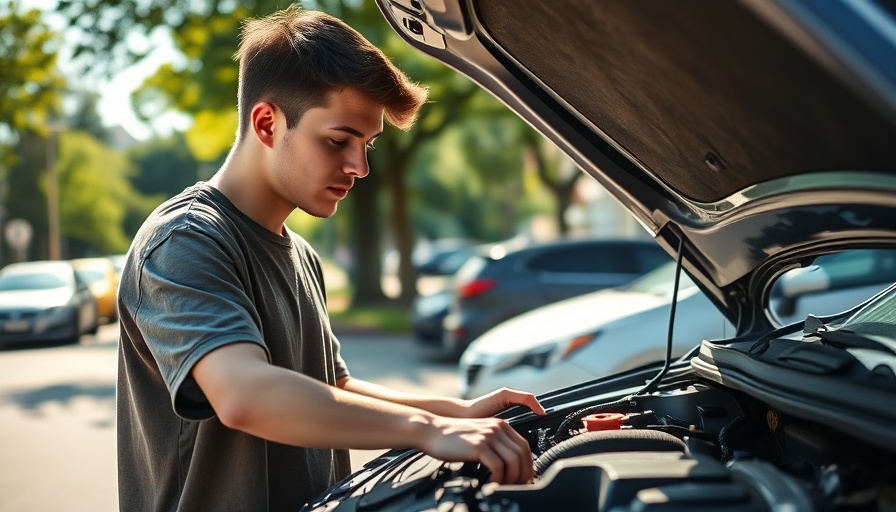
Young man inspecting car engine on a suburban street.

Reviving History: The Enduring Appeal of the Model T

The iconic Ford Model T, celebrated as one of the most influential cars in automotive history, offers an unparalleled connection to the past. Produced from 1908 to 1927, this vehicle was not just a means of transport; it was a symbol of innovation and accessibility. Jay Leno's Garage gives enthusiasts and casual fans alike a glimpse into the charm and simplicity of this classic car. Understanding how to drive and maintain a Model T can provide valuable insights into basic auto mechanics that are relevant even in today’s automotive landscape.

In 'Getting the hang of a Model T!', the discussion explores classic car maintenance, a theme that inspires this analysis on preservation and practical auto care.

Car Maintenance Tips for Classic Vehicles

Owning a classic car like the Model T requires a unique approach to maintenance. Here are some car maintenance tips that can help preserve its historical integrity:

  • Regular Inspections: Check vital components such as brakes, belts, and hoses frequently. A simple inspection can prevent bigger problems down the road.
  • Fluid Checks: Ensuring that the engine oil, coolant, and brake fluids are at proper levels is essential. Learn how to check car fluids properly to maintain optimal performance.
  • Change Oil Regularly: Keeping up with oil changes is fundamental in keeping the engine running smoothly. Employ oil change tips that focus on using the right oil type for vintage engines.

Basic Car Maintenance: Learning from the Model T

Driving a Model T offers the perfect opportunity to appreciate basic car maintenance firsthand. As you navigate its unique controls and inherent quirks, you can gain practical skills applicable to modern vehicles.

For example, understanding how to change the air filter in a classic vehicle emphasizes the importance of air flow in engine health. This knowledge translates to contemporary cars, reinforcing the value of keenly observing your vehicle's performance.

How to Maintain a Car: Practical Insights

The lessons from learning the Model T extend beyond nostalgia to fundamental car care tips. Here’s a practical vehicle maintenance guide to help both classic and modern vehicle owners:

  • Scheduled Maintenance: Establish an auto maintenance schedule based on mileage and seasonal needs. Consistent service fosters longevity.
  • Tire Care: Regular tire rotation ensures even wear. Employ tire rotation tips for enhanced safety and efficiency.
  • Brake Maintenance: Understanding brake maintenance tips will put safety first. It's imperative to keep brake systems functional to ensure your vehicle stops when needed.

Modern Car Maintenance Apps: Bridging the Old and New

In today’s digital age, leveraging technology can significantly simplify car maintenance tasks. Apps designed for automotive needs help owners keep track of maintenance schedules, fluid levels, and service history. Here are some of the best car maintenance apps to consider:

  • Your Mechanic: This app connects you to mobile mechanics who can assist with repairs right at your home.
  • Drivvo: Keeps a log of expenses and maintenance history specifically tailored to individual vehicles.
  • Car Minder: A simple interface to track scheduled services and necessary maintenance work.

Fuel Efficiency: Lessons from Classic to Contemporary

Learning to drive a Model T might seem an anachronism in today's world of fuel-efficient cars. Nevertheless, it offers a chance to understand the basic mechanics that determine fuel efficiency, like weight and design, aspects that still resonate in modern automotive design. Discover how to improve fuel efficiency by practicing efficient driving habits such as smooth acceleration and minimizing unnecessary idling, concepts that have endured through generations of vehicle evolution.

Final Thoughts: Embracing the Charm of Classic Cars

While Jay Leno celebrates getting the hang of a Model T, it invites all vehicle enthusiasts—whether they're familiar with classic cars or just beginning their automotive journey—to dive into vehicle maintenance knowledge. Engaging with the rich history of vehicles not only educates but also nurtures a deeper appreciation for the evolving automotive landscape. Understanding the past equips us to take better care of our present and future vehicles. So why not start your journey into car maintenance today?

maintenance tips

0 Views

0 Comments

Write A Comment

*
*
Related Posts All Posts
01.06.2026

Master Car Maintenance: Essential Tips from Jay Leno's Garage

Update Revving Up for Car Care: Insights from Jay Leno's Garage In the fast-paced world of automotive passion, few figures stand as tall as Jay Leno. Known for his comedic genius, Leno is equally revered among car enthusiasts for his impressive collection and knowledge of vehicles. His Emmy-winning series, "Jay Leno's Garage," is a window into this world where the roar of engines meets the intricate details of car maintenance. In his latest episode, which revolves around 'winning' in the context of vehicle care and preparation, Leno not only showcases vehicles but emphasizes the importance of understanding and maintaining them.In 'We're gonna win that one, with Fluffy | Jay Leno's Garage,' Leno dives into the importance of vehicle maintenance, offering valuable insights that prompted us to explore essential car care practices. Understanding the Essence of Car Maintenance Often dismissed as just an unexciting checkbox in car ownership, maintenance cannot be overstated. It's not merely about preventing breakdowns; it's about enhancing performance, extending a vehicle's life, and even ensuring safety. Leno's enthusiasm reflects a vital aspect of car culture: the appreciation for preserving engineering marvels. Regular upkeep, which encompasses everything from routine oil changes to brake maintenance, can significantly influence a vehicle's efficiency and longevity. The Car Maintenance Checklist: Essential Tips For those looking to keep their vehicles running smoothly, a basic car maintenance checklist can be invaluable. Here are a few key elements to consider: Oil Change Tips: Regular oil changes, typically every 3,000 to 5,000 miles, are crucial. Checking the oil level before long trips can prevent damage and ensure the engine functions optimally. How to Check Car Fluids: Understanding fluid levels, including coolant and brake fluid, can avert major issues. Most owners should check these at least once a month. Tire Rotation Tips: To promote even wear, rotate tires every 6,000 to 8,000 miles. This simple step can enhance traction and prolong tire life. How to Change Air Filter Car: A clean air filter is essential for engine performance. This should be replaced regularly, ideally every 15,000 to 30,000 miles. Brake Maintenance Tips: Listening for unusual sounds and feeling changes in the brake pedal can help detect issues early, ensuring safety remains paramount. Engaging with the DIY Spirit While professional help is essential for complex repairs, DIY car repair can also be handy for minor issues. Many automotive enthusiasts enjoy rolling up their sleeves, checking belts and hoses, and learning how to inspect various vehicle components. Resources are plentiful—from books to online videos—making it easier than ever for individuals to gain hands-on experience. Moreover, employing DIY methods can save money and provide a sense of accomplishment. The Role of Technology in Car Maintenance In today's tech-oriented landscape, embracing technology can revolutionize the way we maintain our vehicles. Several apps are now available that help manage maintenance schedules, remind users of upcoming service needs, and even guide them through simple repairs. Utilizing these tools not only simplifies processes but empowers owners by demystifying vehicle upkeep. Seasonal Car Maintenance Checklist: Preparing for Change As seasons change, so do the needs of your vehicle. A seasonal car maintenance checklist is essential for addressing specific challenges that each season brings. For instance, checking coolant levels and ensuring the wipers are ready before winter is critical. Likewise, preparing tires for different weather conditions will keep drivers safe and enhance performance. How to Improve Fuel Efficiency: A Practical Guide Improving fuel efficiency is a beloved topic among car owners concerned about costs and environmental impact. Simple changes, such as maintaining tire pressure and reducing excess weight, can lead to significant savings at the pump. Additionally, regular engine maintenance plays a crucial role in optimizing fuel use. Ensuring your vehicle runs at peak performance means not just lower costs but reduced emissions. Counterarguments: The Case for Professional Help While DIY methods are appealing to some, it's important to recognize that not every repair should be tackled alone. Complex jobs, especially those involving the engine or transmission, demand expert attention. Understanding when to seek professional help is as crucial as knowing how to perform basic maintenance. Safety and reliability should always be prioritized. The insight shared in this article stems from the engaging discussion in We're gonna win that one, with Fluffy | Jay Leno's Garage, showcasing the balance between car passion and essential maintenance practices. By absorbing these automotive insights, car owners can foster a deeper connection with their vehicles, ensuring they enjoy them for years to come. Take a step today towards becoming more engaged with your vehicle and its upkeep. Embrace the wisdom of maintenance, and your car will thank you with performance and longevity.

01.04.2026

Exploring Gabriel Iglesias’ Untouched 1989 IROC-Z: A Car Lover's Dream

Update Celebrating the 1989 IROC-Z: A Classic RevisitedIn the realm of classic cars, few names evoke as much nostalgia as the IROC-Z, especially the 1989 model. Jay Leno's latest episode featuring comedian Gabriel “Fluffy” Iglesias offers a heartwarming look at this iconic vehicle that embodies both performance and personality. The episode highlights the unique features of the 1989 IROC-Z, showcasing its sleek design coupled with the powerful V8 engine that made it a favorite among car enthusiasts in its heyday.In Gabriel “Fluffy” Iglesias’ UNTOUCHED 400-Mile 1989 IROC-Z, the discussion dives into classic car maintenance, exploring key insights that sparked deeper analysis on our end. The Untouched Charm of Gabriel Iglesias’ IROC-ZWhat sets Iglesias' car apart is its untouched nature—boasting a mere 400 miles on the odometer. This pristine condition is a rarity in the automotive world, where age often equates to wear. The IROC-Z’s vibrant exterior and immaculate interior reflect a commitment to preservation, making it a true artifact of automotive history. The joy Iglesias expresses while discussing his vehicle unmistakably captures the essence of car culture: a blend of passion, history, and community.Understanding the Importance of Car PreservationPreserving classic cars like the IROC-Z serves a greater purpose than just maintaining a vintage vehicle. It connects owners to their history and primes them to educate newer generations about automotive excellence. By keeping such vehicles in mint condition, enthusiasts ensure these pieces of history continue to inspire future automotive designs. Car preservation also entails understanding basic maintenance and care, integral for anyone looking to own a classic vehicle.Effective Car Maintenance TipsMaintaining a classic car requires special care, but many of the principles can be applied to everyday vehicles. Here are some essential car maintenance tips that could be valuable for both classic car enthusiasts and everyday drivers:Regular Oil Changes: One of the best practices for maintaining engine health is to change the oil regularly. Aim for an oil change every 3,000 to 5,000 miles, depending on your vehicle and driving habits.Check Fluids Frequently: It's essential to keep tabs on crucial fluids—engine oil, brake fluid, transmission fluid, and coolant. Regular checks can avert a cascade of mechanical failures.Tire Maintenance: Regularly inspect tire pressure and tread depth. Rotating tires every 5,000 to 7,500 miles helps ensure even wear and improves vehicle handling.Brake Maintenance: Keep an eye on your brake pads, rotors, and brake fluid to maintain safe driving conditions. Listen for any squeaking or unusual sounds when applying brakes.Air Filter Replacement: Change your air filter every 12,000 to 15,000 miles. A clean air filter helps maintain engine performance and improve fuel efficiency.DIY Car Repair and the Advantages of Self-SufficiencyUnderstanding basic car repair can enhance your ownership experience. From changing a tire to performing an oil change, these DIY skills can save money and increase your confidence in handling various situations. Regular maintenance tasks can often be accomplished at home with a bit of guidance—many resources, including books and online tutorials, provide step-by-step processes for common repairs.Automotive Technology: Best Car Maintenance AppsIn an increasingly digital age, car maintenance has also found its way into mobile applications. Several best car maintenance apps can streamline the vehicle upkeep process:Car Minder: This app allows you to track your vehicle’s maintenance schedule and sends alerts when service is due.My Car: Designed for budgeting and tracking fuel consumption, this app aids in maintaining records of every aspect of your car.Drivvo: Perfect for those who want detailed analyses of expenses related to gas, maintenance, and car services.The Future of Classic Cars and Market TrendsAs the automotive industry leans towards electric vehicles and sustainable options, classic cars continue to retain interest due to their vintage appeal. Market trends indicate a growing community of classic car enthusiasts who value both performance and history. The 1989 IROC-Z, with its rich heritage, emphasizes the nostalgia that many feel towards past models, reminding current generations of the charm and thrill of driving these vehicles.The Impact of Car Culture on SocietyFinally, the car culture encompassing the passion around vehicles like the IROC-Z extends beyond individual ownership. It fosters community events, car shows, and clubs that unite enthusiasts. This culture serves not only as a recreational pastime but also as a means of connection among diverse individuals sharing their love for cars.In summary, as we explore the heartfelt stories behind vehicles like Gabriel Iglesias’ untapped 1989 IROC-Z, we appreciate not just the cars themselves but the rich narratives they carry. Engaging with this classic car story opens the door to understanding the intricacies of automotive maintenance, the passion behind car culture, and the joy that these vehicles bring to their owners.

01.03.2026

Navigating Salvage Cars in New Jersey: Smart Buying Tips

Update Understanding the Benefits of Buying Salvage Cars Purchasing salvage vehicles can be a cost-effective strategy for car buyers looking for used cars at a fraction of the price. Salvage cars are vehicles that have been damaged to the extent that they are deemed uneconomical to repair by insurance companies. In New Jersey, the salvage vehicle market offers many options, but understanding how to navigate this marketplace is crucial. How Salvage Titles Work: Navigating New Jersey Regulations In New Jersey, a vehicle is classified as salvage when the estimated repair costs exceed a certain percentage of its value. To further complicate matters, all salvage vehicles must have a salvage certificate of title, which clearly states the vehicle's status. This title distinguishes salvage vehicles from those with clean titles, alerting potential buyers to their repair history. In order to legally operate a salvage car on public roads, owners must undergo a detailed process of repair and inspection for a rebuilt title. Step-by-Step Auction Buying Process in New Jersey The process of procuring a salvage vehicle typically involves several steps that align with auction procedures: Reviewing inventories: Begin by assessing listings of cars available for auction, which often provide detailed descriptions, photos, and vital title information. In-person inspections: Whenever possible, inspect the vehicles on-site, especially for those that have significant damage. Registering and bidding: Prospective buyers must register to bid, whether online or in person, with successful bids requiring timely payment. Post-purchase responsibilities: Buyers assume all responsibilities related to repairs, transportation, and compliance with New Jersey's title and registration requirements. The Pros and Cons of Buying a Salvage Vehicle Like any significant investment, purchasing salvage vehicles comes with its advantages and challenges. The pros include: Affordability: Salvage cars are often much cheaper than comparable clean-title vehicles. Potential for customization: Enthusiasts may find themselves drawn to restore or customize these vehicles. Parts sourcing: For DIY mechanics, these cars can be a source of parts or a project to undertake. Conversely, the cons include: Repair obligations: After purchasing a salvage car, repairs must be completed before it can be driven legally. Insurance challenges: Finding sufficient insurance coverage can be tricky for salvage vehicles. Unforeseen issues: Hidden damage can lead to unexpected repair costs exceeding initial estimates. Documentation and Insurance: What You Need to Know The process of transitioning a salvage vehicle back to operable status is heavily dependent on proper documentation. New Jersey requires meticulous records for inspections, repairs, and parts replacements. Additionally, insurance for these vehicles can vary; not all companies will cover salvage titles or rebuilt title cars. Finding an insurer that understands the unique nature of salvage vehicles is essential, as companies often require documentation of repairs and inspections before issuing policies. Concluding Thoughts: The Viability of Salvage Cars For New Jersey residents willing to put in the work, purchasing a salvage vehicle can yield significant savings and the opportunity for customization or repair. While the process involves strict adherence to state regulations and thorough inspections, for many buyers, the benefits of accessing vehicles at reduced costs and the thrill of restoration outweigh the challenges. A well-researched approach helps ensure your investment in a salvage vehicle turns into a rewarding experience. As the New Jersey salvage vehicle market continues to grow, understanding the implications and procedures involved in restoration and insurance is more important than ever. Consider your options, align your resources, and see if investing in a salvage car might be your next big project!

Terms of Service

Privacy Policy

Core Modal Title

Sorry, no results found

You Might Find These Articles Interesting

T
Please Check Your Email
We Will Be Following Up Shortly
*
*
*