
Add Row
Add Element
cropper
update
AutoInsiders
update
Add Element
  • Home
  • Categories
    • insider tips
    • expert reviews
    • industry trends
    • automotive knowledge
    • car insights
    • vehicle advice
    • maintenance tips
    • buying guides
    • market analysis
    • performance reviews
October 09.2025
3 Minutes Read

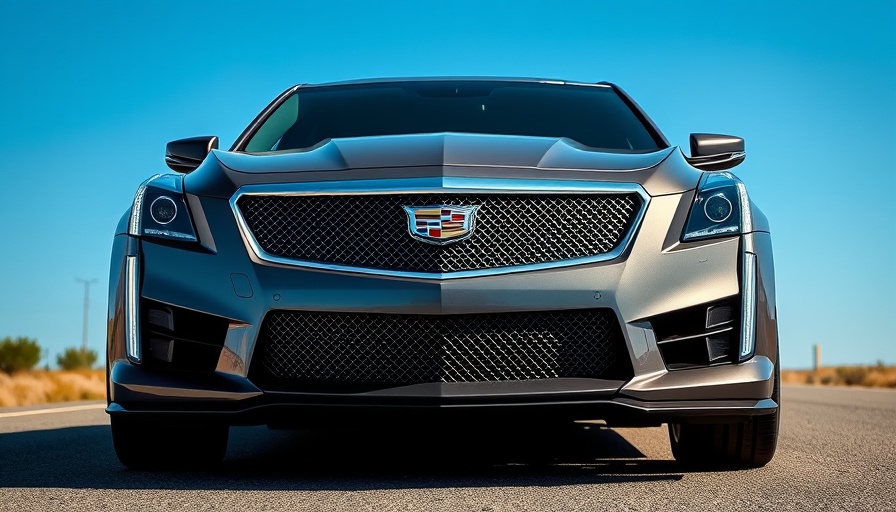
Discover Why the Cadillac CTS-V is the Best Performance Bargain of 2024

Low-angle view of Cadillac CTS-V performance sedan on open road.

Unveiling the Hidden Gem of American Performance Sedans

If you're in the market for a powerful vehicle that expertly blends comfort and thrilling performance, look no further than the Cadillac CTS-V, particularly its second-generation model available from 2009 to 2014. Imagine this: you can drive a sedan with the same supercharged LSA V8 engine as the iconic Corvette ZR1, typically priced around $25,000. The Cadillac CTS-V not only stands out for its potent engineering but also represents an incredible value in the high-performance sedan market.

Performance Meets Luxury

Often rooted in luxury and comfort, Cadillacs have traditionally catered to a sophisticated clientele. However, the CTS-V diverges from this norm by prioritizing raw power alongside its opulent interiors. This sedan is equipped with a supercharged 6.2-liter V8 engine that delivers an astonishing 556 horsepower and 551 lb-ft of torque, enabling 0-60 mph acceleration in under four seconds. Compare this with its competitors like the 2010 BMW M5 or the Audi S4, and the Cadillac’s performance begins to shine without the hefty price tag, giving discerning buyers a compelling choice.

Market Trends: A Window of Opportunity

In recent years, there has been a noticeable shift towards appreciating high-performance sedans, especially models like the CTS-V which combine thrilling driving dynamics with everyday usability. As the automotive market continues to evolve, particularly with the rising popularity of electric and hybrid vehicles, traditional powerhouses such as the CTS-V are becoming more sought after in the used car market. Driving down prices, the CTS-V holds an appealing position for budget-conscious car enthusiasts looking for luxury performance without the luxury price.

Reluctance in the Face of Change

Despite the various accolades earned through performance reviews and consumer ratings, the CTS-V's underappreciation stems from changing tastes in the automotive industry. Today's consumer may gravitate more towards SUVs and hybrids, but those in the know understand the unique charm of a performance sedan. This is especially relevant when considering the decrease in production of high-performance models, creating a potential future scarcity. Are you willing to invest now while CTS-Vs are still attainable?

Why Buy a Used CTS-V?

When considering the decision to purchase a used CTS-V, the sheer performance specs coupled with the Cadillac's luxury accommodations make it stand out. The used market offers reasonable starting prices around $19,500 for earlier models, making it easier for enthusiasts and everyday drivers to take advantage of everything this vehicle has to offer. The 2014 model, known for maintaining superior performance features, can be found for approximately $25,500, presenting great value when compared to new sports sedans.

Countless Opportunities Await

Purchasing a Cadillac CTS-V is more than acquiring a car; it's an invitation to join a passionate community. The car's loyal fanbase appreciates not only its performance but also the nostalgia and craftsmanship associated with the Cadillac brand legacy. Moreover, owning a CTS-V grants access to engaging events, forums, and conversations among other enthusiasts who share a passion for this unique high-performance sedan.

A Final Thought on Value

As automotive technology marches forward, the second-generation CTS-V occupies a unique space in automotive history. It offers an intoxicating blend of unparalleled performance, superior comfort, and a chance to be part of an iconic heritage at a competitive cost. Savvy buyers and automotive enthusiasts who take the leap to purchase the Cadillac CTS-V will not only enjoy a thrilling driving experience but also be part of a timeless legacy that defines American automotive excellence.

automotive knowledge

32 Views

0 Comments

Write A Comment

*
*
Please complete the captcha to submit your comment.
Related Posts All Posts
04.11.2026

Discover How CGI Transforms Automobile Design and Prototyping

Update The Revolutionary Impact of CGI on Automobile Design In the ever-evolving world of automobile manufacturing, the integration of Computer-Generated Imagery (CGI) has ushered in a new era of design and prototyping. With the automotive industry continuously adapting to technological advancements, the significance of CGI cannot be overstated. By enhancing visual representations and facilitating design decisions, CGI is transforming how automobiles are conceptualized and developed. Historical Context of Automotive Designs The art of automobile design dates back to the early 1900s when the first mass-produced cars, such as the Model T, emerged. Auto manufacturers predominantly relied on sketches to envision their concepts. As the industry evolved, so did the complexity of vehicle designs, leading to the need for more sophisticated visualization techniques. By the 1920s, advancements in materials and manufacturing further necessitated accurate representations of vehicles. Today, CGI offers a revolutionary tool that not only captures the imagination but enables designers to manipulate the vehicle's visual fidelity like never before. Benefits of Implementing CGI in Early Design Phases One of the primary advantages of employing CGI early in the automotive design process is its ability to enhance communication among multidisciplinary teams. Designers, engineers, and product leaders can collaborate more effectively by using visual models instead of static sketches, ensuring everyone has a shared understanding of the vehicle’s characteristics. CGI helps address basic questions about proportions, surface tension, and visual weight, thus avoiding critical design flaws before they escalate into costly changes during production. From Visualization to Reality: Creating Better Prototypes The role of CGI extends beyond mere visualization. With the advancements in technology, manufacturers can now create virtual prototypes that closely resemble the finalized product, allowing for extensive evaluations of aesthetic elements such as reflections, lighting, and material textures. This adaptation leads to fewer surprises during physical prototyping, as teams can predict performance issues and design clashes before materials are employed. As noted, this precision translates to reduced waste; fewer physical prototypes are needed, minimizing both costs and environmental impacts. The Emotional Connection Between Consumers and Automotive Design Vehicles represent more than just means of transportation—they embody emotion and individuality. A minor design miscalculation can significantly alter a car's character, which is why CGI plays a vital role in identifying and addressing these subtleties early in the design stages. The ability to render materials, colors, and intricate details accurately allows manufacturers to evoke the right sentiments among potential consumers, ultimately aiming for that emotional connection crucial for brand loyalty. Communication Across Diverse Teams In the automotive design process, aligning various disciplines—designers, engineers, and marketing strategists—can be challenging. CGI simplifies this communication by providing a visual touchpoint that transcends technical jargon. Whether addressing a trim issue or a cabin design, teams can refer to the digital model collaboratively, ensuring that every aspect meets both aesthetic desires and functional requirements. Looking Ahead: The Future of CGI in Automotive Design The trajectory of CGI in the automotive sector signals potential for even more refined digital experiences. As technologies advance, so will the realism of 3D models and the possibilities for interactive evaluations. Virtual reality (VR) and augmented reality (AR) might become staple tools to simulate driving experiences, presenting users with immersive insights long before a single bolt is fastened. The aim is clear: to not merely create vehicles but to craft experiences, shaping how consumers engage with mobility. Conclusion: The Transformative Power of CGI The journey of automobile design has shifted dramatically with the introduction of CGI, morphing how manufacturers visualize and create vehicles. By enhancing early-stage design clarity and collaboration, CGI plays a pivotal role in producing desirable and innovative automotive products. As the industry progresses, the potential for CGI will continue to expand, further intertwining technology with the artistry of automotive design. As these advancements unfold, staying informed on the latest trends and technological integrations can empower enthusiasts and professionals alike. Keep an eye on the evolving landscape of automotive design, as it continues to redefine our driving experiences. Are you ready to embrace the future of CGI and automobiles?

04.11.2026

Hyundai's Venus and Earth Concepts: A Bold New Ioniq Future for China

Update Hyundai's Bold New Direction: The Future of Ioniq in China Hyundai has always been known for its daring designs, and the unveiling of the Venus and Earth concepts marks a significant turning point for the company's electric vehicle (EV) strategy in China. By moving away from the traditional styling of the Ioniq brand— characterized by its pixel-heavy design language—these new concepts emphasize a more sculptural and confident aesthetic. A Fresh Interpretation of EV Design The Venus concept stands out with its sleek hatchback silhouette, merging elements of a sedan and a fastback. Its radiant gold finish, crisp body surfacing, and pod-like proportions push it into the realm of futuristic art while steering clear of gimmicks. Stepping inside, one can find an interior that strongly leans towards minimalism. With an oversized screen setup, an octagonal steering wheel, and soaring ambient gold lighting, the Venus is designed for an emotional connection rather than merely functional utility. This transformation highlights how Hyundai is prioritizing customer experience as EV ownership evolves. Earth: The Adventurous SUV The Earth concept, in contrast, sports a chunkier SUV form, radiating robustness while maintaining sharp features. Its design hints at adventure, equipped with thin lighting elements and geometric detailing that evoke a sense of ruggedness, perfect for those seeking both utility and style. Featuring innovative “air-hug seats,” which promise to wrap around the occupant in a supportive embrace, the Earth emphasizes a comfortable user experience alongside its bold design. Strategic Focus on the Chinese Market What makes these concepts particularly significant is their implication for Hyundai's long-term strategy in China—one of the most competitive EV markets globally. By naming these models after planets, Hyundai seeks to cultivate a unique identity tailored specifically for the Chinese audience rather than employing a generic global playbook. In a market swamped with traditional designs, the Venus and Earth concepts aspire to attract attention through their boldness and originality. Looking Ahead: The Influence Beyond Borders Even if not every element of these concepts makes it to production, it's unlikely their inspiration will be confined within China's borders. Automotive brands worldwide are learning from emerging design philosophies, particularly as global consumer preferences shift towards bolder aesthetics in EVs. Hyundai's approach is a refreshing divergence from its more conservative past, indicating that future models are poised to be sharper and less conventional. The Landscape of Global EV Competitors As Hyundai sets its sights on redefining its Ioniq lineup, the competition is fueled by rapid advancements in the automotive industry. From EV giants such as Tesla to newcomers fiercely competing for market share, innovation is a constant. The biggest car company in the world is no longer merely identified by its history, but rather by its ability to adapt and respond to evolving consumer demands. With concepts like Venus and Earth, Hyundai strives to make a crucial mark as a formidable player within this dynamic landscape. Conclusion: A Call to Stay Informed The daring introductions of the Venus and Earth concepts signal profound shifts not only for Hyundai but for the entire automotive industry. Emphasizing boldness and emotional connection, Hyundai's future direction aims to captivate consumers' attention. As we await the production versions of these models, it’s essential to stay informed about the evolution of the automotive industry, especially through innovative designs that redefine what an EV can be. For the latest updates on automotive innovations, consider subscribing to an automotive industry newsletter, where you can continue to discover exciting developments on the biggest automobile industry trends.

04.10.2026

The 2025 Dodge Charger: Revolutionizing Muscle Cars with Electric Power

Update A New Era for Muscle Cars: The 2025 Dodge ChargerFor decades, muscle cars were defined by big engines, rear-wheel drive dynamics, and the roar of powerful V8s. But as society increasingly emphasizes sustainability and regulations tighten, the automotive industry is evolving. The 2025 Dodge Charger is a prime example of this shift, setting a new benchmark for what a muscle car can be in the age of electric vehicles. Instead of letting emissions regulations end the muscle car's legacy, Dodge faced the challenge head-on, creatively reimagining its iconic vehicle.Rewriting the Formula: Electrifying PerformanceThe introduction of the 2025 Dodge Charger Daytona marks a pivotal moment. Starting at $57,995, the electric version boasts an impressive 456 HP and a torque of 404 lb.-ft., proving that power can coexist with sustainability. Dodge has traded a traditional engine for dual motors, allowing the Charger to achieve 670 horsepower in its Scat Pack mode, a key factor that keeps it in the conversation with the outgoing Hellcat models.This electrification does not dilute performance; on the contrary, it enhances the overall driving thrill with features such as "PowerShot" boosts and dedicated driving modes designed for skids and drifts. For enthusiasts, this represents more than just an EV; it’s an evolution of an identity centered on daring and breathtaking performance.Embracing Heritage, Not Abandoning ItInterestingly, Dodge didn’t promote the electric Charger as a farewell to gasoline; rather, it expanded its lineup. By introducing turbocharged inline-six “Sixpack” models alongside the electric variant, Dodge embodies its commitment to both past and future. This strategic decision redefines muscle cars as a 'philosophy,' advocating for audacious performance regardless of the fuel source.The Shift in Consumer ExpectationsConsumer preferences are shifting dramatically. Today's drivers seek performance, reliability, and environmentally friendly options. The Charger Daytona offers impressive fuel economy ratings of 104 MPGe city and 91 MPGe highway, illustrating that muscle cars can forge ahead without compromising efficiency. In this changing landscape, Dodge has adeptly positioned itself at the forefront, blending nostalgia with modern automotive technology.Implications for the Muscle Car MarketThis move bodes well for the future of the muscle car market. Other automakers will likely have to follow suit, adapting their models to meet new environmental and consumer standards. As the debate continues between traditional muscle and electrification, Dodge's approach exemplifies a successful marrying of the two. The 2025 Charger suggests that muscle cars can not only survive in the era of electric vehicles but thrive.Conclusion: An Exciting Future AheadThe 2025 Dodge Charger Daytona represents a transformative chapter in the muscle car narrative. It challenges conventional wisdom, proving that muscle cars are far from obsolete; they are redefined for modernity. As automotive enthusiasts contemplate this evolution, one thing is evident: the future of performance driving is electric, and the legacy of muscle cars is alive and well. Keep an eye on this fascinating intersection of power and sustainability as the industry continues to adapt.

Terms of Service

Privacy Policy

Core Modal Title

Sorry, no results found

You Might Find These Articles Interesting

T
Please Check Your Email
We Will Be Following Up Shortly
*
*
*