


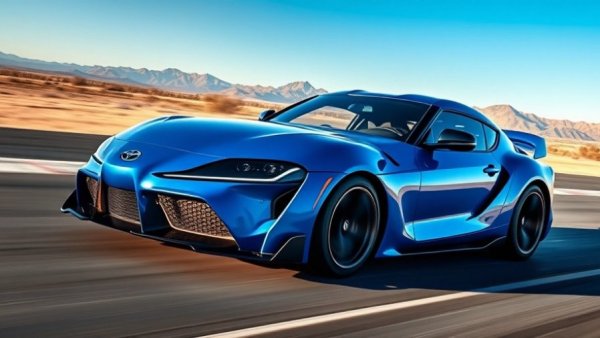
End of an Era for Iconic Sports Cars
In an era where utility vehicles dominate the roads, the recent sellout of the Toyota GR Supra and BMW Z4 marks the end of a notable chapter in sports car history. These models, often lauded for their engaging driving experiences, have been reported sold out across the United States. They signified a unique collaboration between two automotive giants, one that many enthusiasts initially viewed with skepticism. As these two iconic sports cars fade from the market, car enthusiasts are left pondering the evolution of performance vehicles in a rapidly changing automotive landscape.
A Collaborative Journey: Toyota and BMW
The partnership between Toyota and BMW blossomed over shared engineering resources, particularly with the development of the GR Supra. This collaboration surprised many as it successfully produced two vehicles that retained their unique identities. While the GR Supra impressed with sharp handling and an aggressive aesthetic, showcasing a turbocharged 3.0-liter inline-six engine with 382 horsepower, the BMW Z4 offered a chic, open-top alternative with similar performance capabilities. Unlike their predecessors, both cars catered to the same thrill-seekers, but expressed that joy through different design philosophies, underscoring a step forward in automotive collaboration. The partnership was not just about sharing technology; it symbolized a broader trend in the industry where collaboration could lead to innovation and creativity, often resulting in better-end products.
The Driving Experience: What Made Them Special?
Enthusiasts gravitated towards these vehicles not just for their looks but for their dedication to driving enjoyment. Both the GR Supra and the Z4 included options for a six-speed manual transmission, a feature becoming increasingly scarce in today’s automotive market that focuses on automated driving solutions. This gearbox option provided purists with the tactile engagement desired when behind the wheel, allowing for a more intimate driving experience. It wasn’t just about speed; for many drivers, the connection to the car through three pedals elicited a deeper appreciation for the art of driving. This authentic driving experience is something that manufacturers should strive to preserve, especially in an age where technology often takes the wheel—quite literally.
Numbers that Matter: Sales and Impact
Despite their passionate fan base, sales figures revealed a different story. Only 2,953 Supras were sold in the U.S. during 2025, alongside a modest 2,113 Z4s. These results paint a clear picture: while these cars were adored by a niche market, they failed to penetrate the mass market. Since their introduction in 2020, the Toyota GR Supra sold approximately 31,228 units, whereas the Z4 reported about 15,282 units sold. These numbers prompt reflection on the appeal of driving-centric cars in a market increasingly leaning towards more practical options. The limited production quantities make it clear that, while their artistic and engineering values are undeniable, commercial viability did not align with consumer preferences shaped by practical needs and lifestyle trends.
The Future: What Lies Ahead?
As we bid farewell to these sporty models, questions linger about their future potential. Toyota executives have hinted at the possibility of another Supra generation, suggesting that a future model could transition away from BMW’s engineering foundation. This indicates an interesting trajectory for Toyota, especially as they ramp up their performance-oriented Gazoo Racing lineup. On the other hand, BMW’s perspective remains uncertain as they show no immediate plans for a new Z4 model, leaving fans of the brand in suspense about its next chapter. A change in direction could open new avenues for both manufacturers, especially as they explore innovations in electric vehicles (EVs) and hybrid technologies while still catering to traditional driving enthusiasts.
The Impact of Market Trends
The dwindling availability of models like the Supra and Z4 reveals a concerning trend for sports car enthusiasts. As manufacturers increasingly shift focus towards SUVs and hybrid models, those craving authentic driving experiences might find themselves with limited options. Alternatives such as the Nissan Z and Chevrolet Corvette are still out there, but the assortment of rear-wheel-drive sports cars equipped with manual transmissions is declining, signaling a shift in both consumer preferences and manufacturer priorities. Companies must not only anticipate consumer demands but also cultivate the nostalgic and passionate memories attached to driving sports cars. By understanding the importance of these vehicles to their legacy, manufacturers can better align their production strategies with both market trends and enthusiast interests.
Bittersweet Goodbyes and Hopeful Futures
In conclusion, while the GR Supra and BMW Z4 may be declared sold out, their legacy remains. These cars represented a celebration of passionate driving and the spirit of performance—qualities that are increasingly overshadowed in an SUV-driven world. As we reflect on what has passed, we can’t help but hope that the automotive industry will continue to invest in these types of cars. After all, naming opportunities for successors could pave the way for more thrilling experiences behind the wheel. It is essential for the industry to find a balance between traditional sports cars and the rising popularity of eco-friendly vehicles, ensuring they do not lose touch with their driving enthusiasts.
With the automotive landscape evolving, now is the time for enthusiasts and manufacturers alike to advocate for a future where traditional sports cars can thrive alongside modern vehicles. For those passionate about driving, every piece of feedback and every mention of enthusiasm helps remind manufacturers of the importance of providing for the spirited driver. By fostering an ongoing dialogue, we can help ensure that while the GR Supra and BMW Z4 might be gone today, their spirit and the excitement they brought will inspire future innovations in sports car design.




Write A Comment