


Hyundai Recalls Vehicles Due to Wheel Safety Concerns
Hyundai is making headlines as it recalls 17 of its 2026 models due to a potentially hazardous manufacturing issue involving wheel lug nuts. Discovered in vehicles built in August, the recall is part of NHTSA campaign 26V693000, or Hyundai campaign 310, affecting several popular models: eight Venues, four Elantras, four Elantra Hybrids, and one Elantra N.
The Importance of Proper Wheel Torque
The recall highlights an essential aspect of vehicle safety: the importance of secure wheel installation. The vehicles in question left the factory with wheel lug nuts that may not have been adequately tightened. A loose wheel can pose a serious risk, leading to the possibility of the wheel detaching from the vehicle while in motion. For any vehicle owner, understanding wheel torque specifications is vital. The clamping force of lug nuts keeps the wheels secure during driving; the fact that a seemingly normal-looking wheel can unsafely be loose emphasizes the need for caution.
A Closer Look at Wheel Installation Procedures
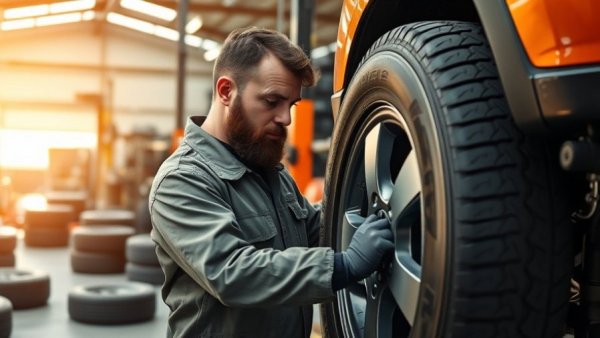
The recall stemmed from a temporary manual wheel-tightening procedure implemented at Hyundai's Ulsan factory post-equipment changes. As auto technicians know, the process of tightening lug nuts typically requires specific protocols, including checking torque settings. Automated machinery often ensures accurate torque application, but recent manual methods may have compromised safety. A technician's evaluation using a torque wrench can make all the difference.
The Mechanics Behind Torque Wrenches
For vehicle owners performing tire changes or routine maintenance, understanding how to use a torque wrench correctly is crucial. A suitable torque wrench, which falls within the torque specifications for the vehicle, ensures that lug nuts are appropriately tightened. Whether using click-type or beam-style wrenches, it’s essential to follow the manufacturer’s guidelines, starting the nuts carefully and adopting a crisscross tightening pattern.
The importance of this process cannot be overstated. Many people might assume that a simple installation will suffice; however, it requires precision to ensure safety. A properly applied torque prevents the lug nuts from loosening or becoming over-tightened, which can cause damage to wheel studs or threads. Thus, having the right tools and knowledge is essential for safe vehicle maintenance.
What Affected Hyundai Owners Need to Know
If you own a Hyundai model affected by this recall, you can check your vehicle identification number (VIN) against the official standards to confirm if your vehicle is included in campaign 310. Those concerned should book an inspection with a dealer, prioritizing the safety of their vehicles over DIY fixes.
Quick Steps for Affected Owners:
1. Visit the Hyundai website or contact your dealer to check your VIN.
2. Schedule an inspection immediately if your vehicle is part of the recall. 3. Keep all service records and receipts as proof of safety checks and maintenance.
Realizing the Risks: Expert Insights
As automotive experts, it’s important to address how wheel torque issues can affect major automotive trends. This incident illustrates the inherent risks within automotive production and maintenance processes, reminding consumers to be proactive about vehicle safety.
Routine inspections and keeping up with recalls, like this Hyundai situation, are essential as part of responsible car ownership. Many drivers may overlook the torque specifications necessary for maintaining wheel safety, viewing it as a minor detail. However, this kind of negligence can lead to serious, potentially life-threatening issues down the line.
Three Key Questions After a Tire Change
When collecting your vehicle after a tire change, consider addressing these three important questions with your service provider:
- Was the final tightening checked with a torque wrench? An impact wrench alone should not be the only tool used, as it does not guarantee the correct torque has been applied.
- Which torque specification was used? It is vital that the specification corresponds with the individual manufacturer's requirements rather than a generic number.
- Is a follow-up check recommended? Inquire if any further checks are advised after a certain mileage to ensure the tightness of the lug nuts.
If a wheel starts knocking or if you experience unusual vibrations post-service, take immediate action. Pull over safely and arrange for an inspection, as ignoring these signs can exacerbate existing issues.
Final Thoughts on Vehicle Safety and Maintenance
Becoming proactive in vehicle maintenance is crucial for all drivers, especially with the growing complexity of modern cars. Regularly consulting with dealerships or authorized repair shops is highly encouraged, ensuring that all specifications are adhered to during services. Ultimately, understanding how your vehicle operates and the risks associated with improper care can significantly enhance your safety on the road.
As we review this situation, remember the importance of keeping up with automotive news and manufacturer guidelines. Knowledge of issues like this Hyundai recall not only protects you, the owner, but also contributes to overall community safety. The integration of technology in vehicle maintenance and auto repair is an evolving aspect that both experts and consumers must navigate together. Always stay informed and prioritize vehicle safety for enhanced driving experiences.
Being a responsible vehicle owner means not only learning from incidents like these but also being proactive in your approach to maintenance and awareness. Regular vehicle checks and prompt attention to manufacturer recalls can save lives and preserve the integrity of your vehicle.







Write A Comment