
Add Row
Add Element
cropper
update
AutoInsiders
update
Add Element
  • Home
  • Categories
    • insider tips
    • expert reviews
    • industry trends
    • automotive knowledge
    • car insights
    • vehicle advice
    • maintenance tips
    • buying guides
    • market analysis
    • performance reviews
September 01.2025
3 Minutes Read

Nissan's Cold-Spray Technology: A Game Changer for Engine Efficiency

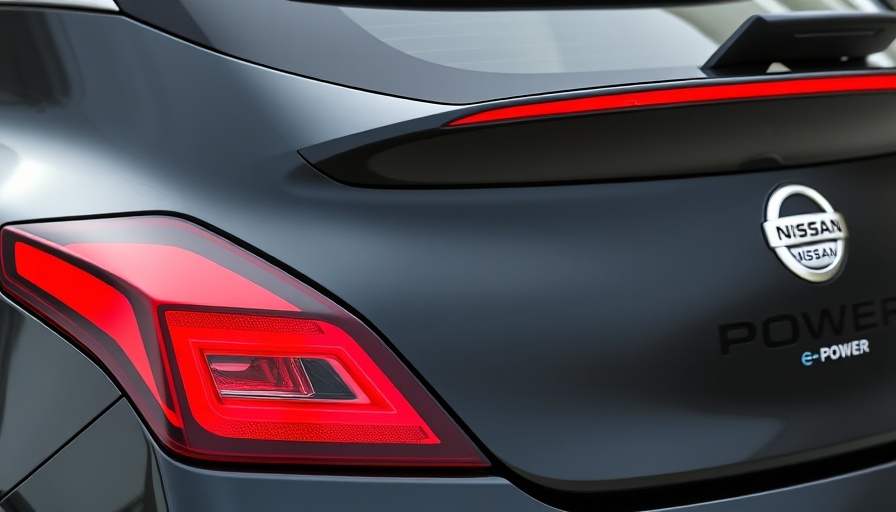
Nissan e-POWER badge and taillight detail, showcasing technology.

Revolutionizing Engine Design: Nissan's Cold-Spray Technology

Nissan, a name synonymous with innovation, is again making headlines with its groundbreaking engine technology. The automotive landscape is in constant evolution, with manufacturers pushing the envelope to create engines that not only perform better but also leave a lighter environmental footprint. This time, Nissan is leveraging cold-spray technology to redefine how engines are constructed, raising the bar for efficiency and performance.

A Leap Forward with the ZR15DDTe Engine

The company’s new engine, the 1.5-liter turbocharged inline-three, dubbed the ZR15DDTe, incorporates a unique approach to creating valve seats. Unlike the traditional method of pressing pre-made rings into the cylinder head, Nissan's cold-spray technique involves spraying a copper-based alloy directly onto the aluminum surface. This revolutionary process enhances the integration of the valve seat with the engine, resulting in a more resilient and efficient design.

Understanding Cold-Spray Technology

The innovation of cold-spray technology is particularly significant because it allows for a stronger bond between different materials without melting them. This is crucial for engine components that are subjected to extreme conditions. By speeding up powder particles to supersonic speeds, Nissan achieves a level of precision that ensures durability and resistance against wear and tear, a key factor in maintaining performance over time. As vehicle longevity continues to be a priority for consumers, this technology stands to address long-standing concerns about engine reliability.

Enhanced Airflow and Combustion Efficiency

Nissan's cold-spray application does more than just create a robust valve seat; it also improves engine design. The new technique facilitates better shaping of the intake port, leading to enhanced tumble flow—the swirling movement of air and fuel as they enter the combustion chamber. This optimal mixture is critical for reducing the likelihood of knocking and misfires, which not only improves fuel efficiency but also contributes to achieving a remarkable 42% thermal efficiency for the ZR15DDTe engine. For perspective, only a handful of high-tier engines can lay claim to such a number, underscoring Nissan's leadership in this space.

Nissan's e-Power Technology: Bridging Conventional and Electric

While the ZR15DDTe engine showcases Nissan's advancements in conventional engine technology, their e-Power system marks a significant step in the hybrid space. Currently available in Europe, models like the Nissan Qashqai with e-Power are gaining traction for their blend of electric efficiency and traditional engine power. This dual approach not only enhances performance but also caters to diverse consumer preferences in vehicles. As environmental regulations tighten globally, Nissan's commitment to a hybrid approach exemplifies future trends in automotive engineering that prioritize sustainability alongside performance.

Why This Matters: Implications for Consumers

Nissan's innovations are not purely academic; they have real-world implications for car buyers. With rising fuel prices and increasing scrutiny over emissions, consumers are actively seeking vehicles that promise lower running costs while delivering high performance. The cold-spray technology and e-Power systems present Nissan as a viable option for those weighing the pros and cons of traditional versus hybrid vehicles.

A Vision for the Future of Automotive Technology

As Nissan continues to innovate, the automotive industry's future looks promising. The company's ongoing research in cold-spray technology can inspire other manufacturers to adopt similar methods, potentially leading to a wider industry shift towards maximizing efficiency and performance. For consumers, understanding these technological advancements can inform purchase decisions, aligning them with brands that not only deliver but innovate.

Takeaway for Prospective Buyers

If you're in the market for a vehicle, these advancements signal that 2024 is poised to be a pivotal year for automotive technology. Nissan’s commitment to refining their engines could lead to cars that aren't just more powerful but also safer and more environmentally friendly.

Learn more about Nissan's cutting-edge engine technology and explore other exciting features designed for the best cars of 2024 before making your next purchase decision.

industry trends

26 Views

0 Comments

Write A Comment

*
*
Related Posts All Posts
01.30.2026

Exploring Mercedes' 600-Mile Solid-State Battery Breakthrough: The Next Big Thing in Electric Vehicles

Update A Major Breakthrough in Electric Vehicle Technology In a groundbreaking announcement for electric vehicle enthusiasts and environmental advocates alike, Mercedes-Benz has unveiled its latest development in solid-state battery technology. Collaborating with Factorial Energy, the renowned luxury automaker is on the brink of revolutionizing how we see electric vehicle (EV) battery efficiency and performance. The new solid-state battery, aptly named Solstice, promises a remarkable driving range of 600 miles on a single charge—an achievement that, if realized in mass production, could change the EV landscape forever. The Innovations Behind Mercedes' Solid-State Batteries The Solstice battery leverages an innovative dry-cathode design, eliminating the need for traditional liquid electrolytes that are commonly associated with lithium-ion batteries. This dry-cathode approach not only simplifies production but significantly enhances the lifespan and safety of these batteries. The absence of liquids reduces risks associated with battery leaks and fires, making this technology an exciting alternative for the sustainable automotive future. How Does It Work? A Dive into the Technology The heart of the Solstice battery is its solid electrolyte, which allows for higher energy density—up to 450 watt-hours per kilogram, significantly surpassing the capabilities of existing lithium-ion technology. This means drivers could enjoy longer ranges without the added weight of liquid components. Mercedes is setting the stage for these solid-state batteries to go beyond the laboratory and into real-world applications, with plans for future road testing scheduled. Real-World Testing: A Step Closer to Market Launch Mercedes has taken a significant step by equipping a prototype of its EQS model with the new solid-state battery for public road testing, a first for any major automaker. This testing phase is critical not only for validating the battery’s performance under actual driving conditions but also for refining the manufacturing process. Earlier prototypes have indicated that Mercedes can achieve a range of up to 621 miles per charge with this battery, translating to a remarkable 25% increase in range compared to conventional models. Why This Matters: Implications for the EV Industry The deployment of solid-state batteries marks an important evolution in EV technology. Currently, the market is dominated by lithium-ion batteries, which, while effective, pose challenges related to heat management and longevity. The development of solid-state batteries could lead to a lighter, safer, and more efficient solution that not only enhances battery life but also offers improved energy efficiency and accelerated charging times. Mercedes’ commitment to solid-state technology illustrates the broader shift toward sustainable transportation solutions, putting pressure on competitors to innovate or risk being left behind. The Future of Mobility: Predictions and Trends As Mercedes-Benz aims to launch vehicles equipped with solid-state batteries by the end of the decade, the implications reach far beyond just one manufacturer. Industry experts believe that as the technology matures, we could see solid-state batteries become the gold standard for electric mobility. According to projections, solid-state battery production could exceed between 15 to 55 gigawatt-hours by 2030, reflecting how swiftly this technology could dominate the EV market. Conclusion: What’s Next for Electric Vehicles? In an era where eco-friendliness and consumer demand for longer-range electric vehicles are at an all-time high, Mercedes’ advancements in solid-state battery technology could reshape not just their lineup, but the entire automotive industry. The enthusiasm surrounding these innovations reflects a critical turning point in fostering greater adoption of electric vehicles. As Mercedes pushes toward commercialization, potential buyers looking for the best cars of 2024 should keep a close eye on these developments.

01.28.2026

Volkswagen's Major Recall: What Every ID.4 Owner Needs to Know About Battery Fires

Update Volkswagen's Recall: A Critical Look at The ID.4 Issue In a significant development for the electric vehicle (EV) market, Volkswagen has announced a recall of nearly 44,000 ID.4 SUVs from model years 2023 to 2025. This action comes in response to concerns regarding the high-voltage battery system, which poses a risk of overheating that could potentially lead to battery fires. The recall was officially documented by the National Highway Traffic Safety Administration (NHTSA) under campaign number 26V030000. The Core Issue: High-Voltage Battery Overheating The primary concern is that the Volkswagen ID.4's battery may overheat under certain conditions, amplifying the already well-documented issue of battery safety in electric vehicles. Although Volkswagen has not disclosed the specific reasons behind this malfunction, it is evident that both software and hardware solutions will be implemented as a remedy. The remedy plan is relatively straightforward: dealers will update the software and replace the battery systems for affected models at no cost to the owners. Implications for Volkswagen's Brand Image The ID.4 is more than just another model in Volkswagen's lineup; it's a keystone in their electric strategy, particularly after the infamous diesel emissions scandal. The stakes are high when a mainstream vehicle faces such critical safety concerns. As range anxiety plagues EV owners, the added worry of potential fires presents a troubling scenario for families and first-time EV buyers. Context of Battery Recalls in the Automotive Industry Recalls involving high-voltage batteries are not solely a Volkswagen issue. As automakers accelerate their shift towards electrification, the chance of battery-related faults has become a prevalent concern. Lithium-ion packs are intricate and packed densely, making them susceptible to failures when something goes awry. While software updates can often handle some risks, hardware replacements can become considerably expensive. Learning Curve of Electric Vehicle Production The considerable number of vehicles affected—nearly 44,000—highlights that electric car manufacturing is evolving into a complex landscape of software management as much as mechanical assembly. One misstep can cause significant repercussions, turning EV production dynamics upside down. As automakers like Volkswagen continue to learn from these challenges, the industry will likely encounter more recalls as a normal part of the transition to widespread electric vehicle adoption. Consumer Safety and Navigation During Recalls For current Volkswagen ID.4 owners, it's crucial to stay informed about the recall process. Owner notification letters will start being mailed on March 20, 2026, allowing them to take immediate action. Those anxious about their vehicle's safety or effectiveness can check their vehicle identification numbers (VINs) through the NHTSA’s official website, ensuring they remain proactive about any potential threats to safety. Conclusion: Staying Informed as Electric Vehicles Evolve This recall is a stark reminder of the growing pains associated with the push towards electrification and reflects the challenges laid before traditional automakers. For consumers, keeping abreast of manufacturer recommendations and recalls is essential. As the market landscape evolves, awareness and vigilance remain key components of safe EV ownership.

01.07.2026

Harley-Davidson's 2026 Touring Bikes Are Here: A Gamechanger for Riders

Update The Return of Full-Dresser Touring Bikes As Harley-Davidson gears up to unveil its new lineup of touring bikes for 2026, motorcyclists and enthusiasts alike are on the edge of their seats. Harley, known for its iconic image and reliable rides, is bringing back full-dresser touring bikes that promise to challenge not only the Indian Pursuit and Roadmaster but also make a mark amidst other metric rivals. The evolution of Harley's touring bikes appears to be a strategic move to regain its foothold in a competitive market segment that has seen ambitious challengers like Indian Motorcycles gain traction. A Closer Look at the New Models Leaks from Harley's upcoming models reveal a refreshing take on its classic designs. The lineup will include the Street Glide Limited — essentially a renamed Street Glide Ultra — and the Road Glide Limited. The latter features Harley's distinctive sharknose fairing accompanied by improved comfort-focused modifications, such as a new windscreen and the larger Tour-Pak setup, enhancing long-distance riding experiences. With the Milwaukee-Eight 117 engine powering these models, riders can expect both performance and reliability, critical factors for road warriors who prefer long rides. Why Now? The Impetus for Change For years, Harley-Davidson has faced criticism for its aging platforms. As the full-dresser segment becomes increasingly important, Harley's latest models serve as a direct response to Indian's growing presence in the market. Indian's heavyweights, like the Roadmaster and Pursuit, have not only attracted riders with their modern tech and robust features but also engaged a younger demographic. The added competition could push Harley to innovate beyond design, enhancing rider connectivity with features such as updated infotainment systems and smart technology integrations. The Price of Luxury in Touring: A Steep Investment While Harley-Davidson promises an exciting range of bikes for 2026, potential buyers should prepare for a substantial financial commitment. The current Street Glide Ultra has an MSRP of nearly $30,749, and it's anticipated that the new models will hover around a similar price point. This raises questions about accessibility for a broader range of riders, especially with younger bikers looking for value without sacrificing performance. Strategic Insights: What Do These Changes Mean? Understanding the industry dynamics can offer significant insights. As Harley-Davidson revitalizes its touring lineup, it undoubtedly aims to reclaim lost market share and tap into customer loyalty that may have shifted towards Indian Motorcycles. This strategic move could yield rich dividends, marrying heritage with innovation. It’s also crucial for both manufacturers to recognize upcoming trends, such as the inclination towards electric motorcycles, which may reshape touring bike categories altogether. Connecting with the Riders: Community and Culture At the heart of the motorcycle world lies a passionate community. Harley’s full-dresser models not only cater to fan-favor aesthetics but also embody the freedom and camaraderie synonymous with motorcycle riding. Riders often appreciate not just the bike itself but the lifestyle and community surrounding it. Harley-Davidson’s decision to innovate while staying true to its roots could further solidify its standing among avid riders, fostering a connection that goes beyond mere transactions. Your Next Steps: Engaging with the New Lineup The unveiling of Harley-Davidson's 2026 lineup is not merely about new bikes; it symbolizes a broader commitment to quality, performance, and rider experience. For fans and prospective buyers, staying informed about test rides, reviews, and comparisons will be crucial. Engage with the community, share your experiences, and explore how this new lineup can elevate your riding journey.

Terms of Service

Privacy Policy

Core Modal Title

Sorry, no results found

You Might Find These Articles Interesting

T
Please Check Your Email
We Will Be Following Up Shortly
*
*
*