
Add Row
Add Element
cropper
update
AutoInsiders
update
Add Element
  • Home
  • Categories
    • insider tips
    • expert reviews
    • industry trends
    • automotive knowledge
    • car insights
    • vehicle advice
    • maintenance tips
    • buying guides
    • market analysis
    • performance reviews
October 22.2025
3 Minutes Read

Porsche’s W-18 Engine: A Revolutionary Leap in Automotive Engineering

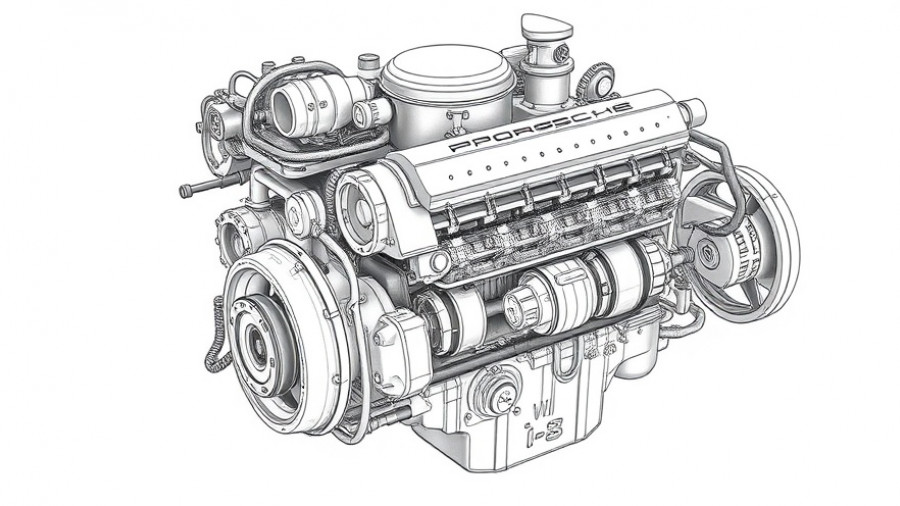
Technical illustration of Porsche W-18 engine, detailed components.

Porsche’s Ambitious W-18 Engine: A Taste of the Future

Porsche has stirred excitement among automotive enthusiasts with the unveiling of a new patent for a Tri-Turbo W-18 engine. This innovative design reimagines internal combustion engines, blending cutting-edge engineering with high-performance aspirations. Imagine a system with three distinct banks of cylinders, each equipped with its own turbocharger, all designed to provide the balance and capability that Porsche vehicles are renowned for.

What Makes the W-18 Configuration Unique?

The core architecture of this engine is its unique 'W' configuration. Traditionally, a W engine comprises four banks of cylinders; however, Porsche’s design opts for three, stacked at 60 degrees to each other. This compact arrangement mirrors a trio of inline-six engines converging on a single crankshaft, a layout that optimizes both size and balance. The efficiency of this design not only promises improvements in engine responsiveness but also explores enhanced air management.

Turbocharging Innovation: The Tri-Turbo Setup

Porsche’s Tri-Turbo innovation allows each cylinder bank to have its own turbo, paving the way for sophisticated boost control. This strategy focuses on achieving rapid turbo response at lower RPMs while maximizing airflow at higher speeds, which is critical for performance vehicles. Moreover, directly routing the intake air through straight-shot runners diminishes frictional losses, enhancing overall power output without the need to increase displacement significantly.

Performance vs. Environmental Concerns

As the automotive industry pivots towards electric power, the introduction of this engine raises questions about its future in a market leaning towards electrification. While electric vehicle (EV) adoption is on the rise, manufacturers like Porsche are exploring the benefits of low-carbon fuels and advanced combustion technologies. The flexibility of this W-18 engine design also lends itself to synthetic fuel compatibility, suggesting a pathway where high-performance and environmental responsibility can coexist.

The Soundtrack of Power: An Enthusiast's Delight

One of the most captivating aspects of the proposed W-18 engine lies in its auditory experience. The harmonious symphony of an 18-cylinder engine, complemented by precise turbo spooling, is bound to excite any automotive enthusiast. Even as the market tilts towards quieter electric motors, the emotional connection to performance engines remains potent, and Porsche’s venture into this territory could rekindle that passion.

A Glimpse Beyond Conventional Patenting

It’s critical to note that while this patent is full of potential, the actualization of such innovative concepts isn't guaranteed. Many patents attract attention but never make it to commercial production, and Porsche has been cautious in introducing novel designs. Historical context reveals that in periods where the car industry faced shifting paradigms, pioneering designs often lead to revolutionary changes in consumer expectation and brand reputation.

Why This Matters to Today's Automotive Landscape

The potential of the W-18 engine epitomizes the automotive industry’s dichotomy: balancing tradition with innovation. As Porsche combines nostalgia for high-performance engines with a vision for the future, they tread a path that might influence the industry significantly. This could set new performance benchmarks that rival even the most advanced electric vehicles, reinforcing the brand’s image as a leader in automotive excellence.

The Ongoing Evolution of Engine Technology

Reflecting on past advancements reveals a pattern where great leaps were often prompted by audacious designs like the one Porsche is proposing. From the evolution of multi-cylinder engines in the early 20th century to advancements in turbocharging technology seen today, each innovation reshaped consumer expectations. Porsche, by pushing the boundaries of engine design once again, invites us to consider the possibilities that lie ahead.

Conclusion: Embracing the Future of Performance

As Porsche forges ahead with this avant-garde engine design, the automotive world watches closely. Will the W-18 find a home in the halls of a high-performance supercar, or will it remain as a testament to engineering that stretches the imagination? Regardless, these explorations remind us that the pursuit of performance and innovation is far from over, even as we navigate a shifting automotive landscape.

automotive knowledge

10 Views

0 Comments

Write A Comment

*
*
Related Posts All Posts
12.13.2025

Why the 2024 Ferrari Daytona SP3 Will Dominate Over Electric Cars

Update The Return of the V12: A Legacy Unmatched by Electric Cars The automotive landscape is undergoing a significant transformation as electric vehicles (EVs) continue to gain popularity, boasting impressive horsepower and acceleration. For many car enthusiasts, however, the allure of traditional V12 engines remains unshaken. The newly unveiled 2024 Ferrari Daytona SP3 captures this sentiment, celebrating the heart and soul of driving in a way that electric models simply can't replicate. Why Purists Still Choose V12 Engines There's an undeniable magic in the sound and feel of a powerful V12 engine. As history has shown, these engines are not merely about speed; they're about the experience of driving. The Daytona SP3 exemplifies this, built on the foundation of Ferrari's storied racing history while showcasing modern engineering advancements. Its naturally aspirated 6.5-liter V12 engine produces an astonishing 829 horsepower, making it the most powerful combustion engine ever installed in a Ferrari road car. A Glimpse at the Past: The Legacy of Ferrari The Daytona SP3 is a modern rendition of Ferrari’s golden era, particularly referencing the triumphant 1967 24 Hours of Daytona where Ferrari clinched the top three spots. This connection is more than symbolic; it reaffirms the lineage and heritage that enthusiasts cherish. The car isn’t just a means of transportation; it’s a tribute to the engineering excellence that Ferrari has been celebrated for since the early days of motorsport. Performance Beyond Comparison Equipped with a seven-speed dual-clutch automatic transmission, the Ferrari Daytona SP3 achieves 0 to 60 mph in just 2.85 seconds, with a top speed that caps off at an impressive 211 mph. The enhancements to the F140HC engine, including lightweight titanium rods and redesigned intake systems, ensure that drivers experience not just speed but an exhilarating connection to the road. These innovations make the Daytona SP3 a thrilling ride, reasserting why some drivers will always choose performance over power metrics alone. Future Predictions: The Enduring Appeal of High-Performance Cars As the automotive industry continues to push towards electric solutions for sustainability, one must ask: Will the allure of high-performance vehicles like the Ferrari Daytona SP3 endure? It's not merely a question of speed; it's about emotion and connection. While EVs may dominate in efficiency and rapid acceleration, they often lack the visceral thrill that traditional combustion engines provide. Enthusiasts and purists will remain steadfast in their love for iconic vehicles that celebrate craftsmanship and legacy. The challenge for manufacturers will be to innovate while preserving the essence of what makes driving an emotional experience. Decisions You Can Make With This Information If you're contemplating a purchase in 2024, understanding the value and appeal of cars like the Ferrari Daytona SP3 can help guide your decision. Should you consider alternate high-performance vehicles or prioritize electric options? Knowing the landscape of performance and luxury cars can shed light on your future ownership experience. Deciding between an electric vehicle and a traditional supercar isn't merely about power ratings or fuel efficiency anymore; it's about understanding what you want from the driving experience. For those who value the rush of an engine and the heritage that comes with it, the V12 cars are unmatched. This is especially true as 2024 unveils many new car trends, stretching the boundaries of engineering while respecting high-performance traditions. Final Thoughts: Embracing the Passion of Driving As the world leans toward environmental consciousness and electric vehicles, the passion for traditional supercars remains undiminished. The Ferrari Daytona SP3 encapsulates this passion, showcasing engineering prowess and celebrating a rich heritage. While electric vehicles are surely a part of the future, the roar of a V12 engine will always resonate with purists who believe that some experiences transcend mere technical specifications. For more insights into the best cars of 2024 and evaluations of electric versus combustion engines, consider engaging with automotive analysis platforms that cater to your interests.

12.13.2025

Rivian R1S and R1T Set for Transformative Hands-Free Driving Upgrade

Update Rivian R1S and R1T: Pioneering Hands-Free Driving Features In an era where the automotive industry is increasingly leaning into technological advancements, Rivian stands out with its innovative upgrades for the R1S and R1T models. Recently unveiled during their AI and Autonomy Day, Rivian has announced a substantial software upgrade that signals a shift in how drivers will experience long trips. These enhancements promise to give owners a more seamless and enjoyable driving experience, highlighting Rivian's commitment to the future of electric vehicles. Universal Hands-Free Driving: A Game Changer The most notable feature introduced is the Universal Hands-Free driving capability, which expands the existing hands-free functionality from 150,000 miles to a staggering 3.5 million miles of navigable roads. This broadening means that as long as the lanes are clearly marked, drivers can relax a bit more during their journeys. However, it’s important to mention that this remains an SAE Level 2 automation system — drivers must stay alert and ready to take control when necessary. Rivian’s decision to extend hands-free driving options until the end of March 2026 as a complimentary feature may lure prospective buyers, yet the shift toward a paid subscription service is expected to ignite discussions about the value of such advancements. After the initial free period, the Autonomy+ service will cost $49.99 per month or a one-time fee of $2,500. As this subscription model evolves, it raises questions about customer expectations and the balance between advanced automotive technology and ownership experience. AI-Powered Assistant: Making Voice Commands Effortless Complementing the hands-free driving feature is the introduction of Rivian's AI-powered voice assistant, set to launch in phases from early 2026. This enhancement integrates advanced natural language processing to facilitate communication with the vehicle. The Rivian Assistant promises refreshing simplicity — imagine instructing your car to adjust the temperature or plan coffee breaks without uttering cumbersome commands. This functionality marks a significant improvement from earlier, clunky voice recognition systems, promising to adapt to the user's speech patterns and preferences. As voice assistants become integral to cars, Rivian aims to provide a level of personalization and ease that resonates well with a growing demographic of tech-savvy buyers. By enhancing interactions, Rivian hopes to set itself apart from competitors who are also racing to integrate smart features into their offerings, like Tesla and Mercedes-Benz. The Bigger Picture: Rivian’s Strategy in the Automotive Landscape These updates come at a time when consumer expectations around automotive technology are shifting rapidly. As the largest automobile manufacturers in the world scramble to keep up, Rivian's strategies are a crucial component of its identity in the competitive EV space. Additionally, it positions Rivian favorably against traditional car companies that are adapting slower to digital upgrades, highlighting a gap that Rivian seeks to exploit. Industry analysts predict that as more automakers equip their vehicles with such features, Rivian's early adoption could bolster its market presence significantly. However, challenges remain: consumers expressing subscription fatigue and growing demands for innovation may influence buying tendencies. Rivian management acknowledges that ensuring the usability and safety of these features is paramount as they seek to maintain consumer trust. Looking Forward: The Future of Rivian With Rivian’s clear trajectory toward enhanced autonomy, the focus on software-driven capabilities reflects broader trends in the automotive industry. As Rivian rolls out these features, they will need to continue listening to customer feedback and improving their offerings. The establishment of an AI-powered revolution in cars opens the door for future innovations that may reshape the driving experience entirely. As consumers become more familiar with autonomous features, the acceptance of subscription models and additional costs related to enhancements will likely grow. Rivian’s future success hinges on its ability to deliver consistently reliable and enjoyable technology while ensuring customer satisfaction. In summary, Rivian's ambitious updates for the R1S and R1T underscore a significant shift in the automotive landscape towards autonomous and AI-driven experiences. This dual approach of hands-free driving and an intuitive voice assistant exemplifies Rivian's proactive stance in a fiercely competitive market. As the rollout progresses, Rivian's ability to balance innovation with practical user experiences will determine its place among the giants of the automotive world.

12.12.2025

Discover the Dodge Tomahawk: A Radical Motorcycle Engineering Triumph

Update The Wild World of the Dodge Tomahawk: A Fusion of Art and Engineering What is a motorcycle? Traditionally, it’s a two-wheeled vehicle equipped with an engine, typically situated under a fuel tank, epitomizing freedom on the open road. However, the Dodge Tomahawk flips the script with its audacious design and engineering pedigree. This motorcycle—if we dare to label it as such—boasts not only an impressive V-10 engine sourced from the Dodge Viper but also a unique four-wheeled configuration that has sparked debates among enthusiasts and experts alike. Unleashing the Beast: Engine and Performance The heart of the Tomahawk is its powerful 8.3-liter V10 engine, capable of producing a staggering 500 horsepower at 5,600 RPM. Initially part of the Dodge Viper lineup, this engine transforms the Tomahawk into a hypothetical speed demon. Engineers estimated potential speeds of up to 400 miles per hour, igniting the imaginations of speed enthusiasts. However, as with most concept vehicles, these figures remain speculative at best, as the Tomahawk was deemed too unstable to undergo rigorous speed tests. Engineering Marvel: Special Features and Design What sets the Dodge Tomahawk apart from conventional motorcycles? Its radical design features four closely spaced wheels and a dry-sump engine layout to maintain a lower center of gravity. The rear and side view showcases its sleek lines, but underneath lies intricate engineering—a custom-made, two-speed racing transmission designed to handle the immense torque produced by the V10 engine. Moreover, heavy-duty braking systems with stainless steel rotors ensure that stopping power matches its acceleration. The Aesthetic Appeal: A 'Rolling Sculpture' Considered by many as a “rolling sculpture,” the Tomahawk emphasizes aesthetics as much as performance. It was born from a desire to highlight Dodge’s engineering capabilities and to generate buzz within the automotive community. With its art-deco design, it strikingly stands apart from traditional motorcycles, blurring the line between a machine and a work of art. The Legacy of the Tomahawk: Innovation or Absurdity? The Tomahawk represents a bold statement from Dodge—a reminder of the carmaker's passion for performance and innovation. The concept generated diverse reactions upon its reveal, with some critics viewing it as absurd yet captivating. The vehicle was never intended for mass production—a fact that reinforces its status as a badge of engineering audacity rather than practical mobility. How the Tomahawk Sparks Debate The question remains: does the Tomahawk qualify as a motorcycle? It possesses characteristics that challenge traditional definitions, incorporating four wheels while maintaining the user experience of a two-wheeled bike. Its unique build invites discussions about automotive standards and the boundaries of engineering creativity. A Community of Enthusiasts: Why the Tomahawk Matters For many, the Tomahawk is more than just an engineering curiosity; it embodies the thrill of pursuing the impossible in automotive design. Motorcycle enthusiasts often cherish vehicles that push the limits of performance and engineering, and the Tomahawk leaves an indelible impression as a symbol of daring innovation—inviting both admiration and skepticism. Conclusion: The Dodge Tomahawk’s Indelible Impact The Dodge Tomahawk motorcycle stands as a testament to what can happen when creativity meets engineering excellence. While it may never see the road as a practical transport option, its legacy lives on in the hearts and minds of those who dream of speed, power, and originality. Dare to imagine what might come next in motorcycle ingenuity as we continue to explore the boundaries of the automotive world.

Terms of Service

Privacy Policy

Core Modal Title

Sorry, no results found

You Might Find These Articles Interesting

T
Please Check Your Email
We Will Be Following Up Shortly
*
*
*