
Add Row
Add Element
cropper
update
AutoInsiders
update
Add Element
  • Home
  • Categories
    • insider tips
    • expert reviews
    • industry trends
    • automotive knowledge
    • car insights
    • vehicle advice
    • maintenance tips
    • buying guides
    • market analysis
    • performance reviews
June 08.2025
3 Minutes Read

Solid-State Batteries vs Lithium-Ion: What It Means for EV Sustainability

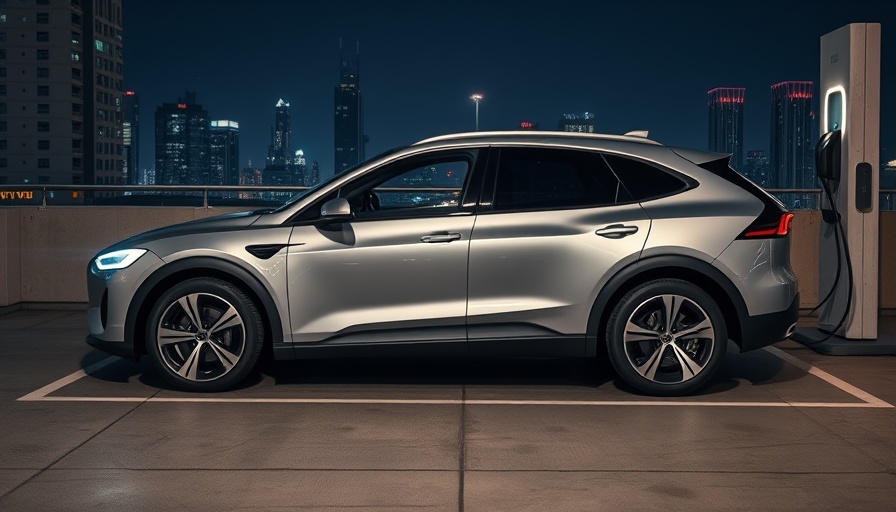
Solid-State Batteries vs Lithium-Ion: Electric SUV charging at night

The Revolutionary Shift Toward Solid-State Batteries

As we approach 2025, the automotive landscape is on the brink of transformation, driven chiefly by advancements in solid-state batteries (SSBs). Unlike conventional lithium-ion batteries (LIBs) that have dominated the market for years, SSBs promise a leap in energy storage technology that could fundamentally alter electric vehicle (EV) performance, safety, and sustainability. This evolution is critical as the automotive industry seeks new solutions to address environmental concerns and growing demand for electric vehicle efficiency.

Understanding Solid-State Batteries

Solid-state batteries work differently than their lithium-ion counterparts. Instead of flammable liquid electrolytes, SSBs utilize solid ceramic or polymer electrolytes. This innovation allows for a remarkable increase in energy density, with potential ranges surpassing 600 miles on a single charge—significantly higher than traditional EVs. Toyota is leading the charge with projections of its SSBs achieving rapid charging within 10 minutes, presenting a real alternative to gasoline-powered vehicles.

Environmental Implications and Supply Chain Challenges

Beyond performance, the environmental impact of battery production is a major consideration. As the industry shifts towards SSBs, questions about sourcing materials like lithium and sulfur arise. It’s essential for automotive manufacturers to consider the sustainability of their supply chains, as they navigate Scope 2 and Scope 3 emissions reductions. These are critical as the world pivots toward greener technologies. Automakers are now faced with the challenge of ensuring that the processes involved in manufacturing batteries align with sustainable practices.

Industry Moves to Commercialization

Global automakers, including Toyota, Stellantis, and Hyundai, are eagerly pursuing the commercialization of solid-state technology. Stellantis and Factorial Energy have already made strides with 77Ah SSB cells, boasting 375 Wh/kg energy density while operating under extreme temperatures. Hyundai plans to showcase its first prototype powered by SSBs by the end of 2025. As competition heats up in the race for advanced automotive technology, the collaboration and rivalry between these the automotive giants accelerate innovation.

Challenges Facing Solid-State Battery Adoption

Despite their promising advantages, SSBs are not without obstacles. Dendrite formation at lithium-metal anodes continues to pose significant risk, as does the moisture sensitivity of sulfide electrolytes, which requires costly dry-room production facilities. Current production costs for SSBs remain 2-3 times higher than those of lithium-ion batteries, but advancements like gigacasting may help close this gap significantly by 2030. Addressing these challenges is essential for greater adoption and implementation of SSB technology.

The Future of Electric Mobility

The transition towards solid-state batteries represents not just a technical evolution but a paradigm shift in how we think about electric mobility. As these advancements unfold, understanding the implications for vehicle performance, environmental sustainability, and the automotive market becomes increasingly crucial. Observers and industry insiders alike are eager to see how these technological innovations will reshape the landscape of personal and commercial transportation.

Making Informed Choices in Automotive Technology

For consumers keen on the latest automotive technology developments, understanding the differences between solid-state and lithium-ion batteries can lead to more informed car buying and maintenance decisions. Automotive technology insider tips are valuable now more than ever as we approach a new era of vehicle advancements. Engaging with reliable sources and experts in the industry can provide insights and foresight into what to expect in the rapidly changing automotive landscape.

Conclusion

In conclusion, the advancement and implementation of solid-state batteries represents not merely a technological leap, but a vital response to pressing environmental challenges facing our global community. As manufacturers grapple with scaling production and overcoming barriers, consumers must stay informed about these developments. Now is the time to embrace change, educate oneself about technological advancements, and advocate for sustainable practices in the automotive industry.

insider tips

7 Views

0 Comments

Write A Comment

*
*
Please complete the captcha to submit your comment.
Related Posts All Posts
04.10.2026

Why the £6K Mazda MX-5 is a Better Value Than New Hot Hatches

Update Discovering Value: The Case of the £6K Mazda MX-5 In a world where brand new cars often come with hefty price tags and depreciate rapidly, many enthusiasts and everyday drivers alike are questioning whether new vehicles, particularly performance-oriented hot hatches, are truly worth their price. Enter the £6K Mazda MX-5, a used roadster that is quickly garnering attention as a superior alternative, not only for driving pleasure but also in terms of value. With flexibility that few new cars can offer, those looking for budget-friendly options will find a rewarding journey in the affordable sports car segment. The MX-5: A Unique Driving Experience The magic of the Mazda MX-5 lies in its design philosophy—built purely for the joy of driving rather than relentless speed or high-tech distractions. For a mere £6,000, buyers can acquire this excellent rear-wheel-drive chassis that invokes a driver-focused ethos. While it’s easy to be swayed by the allure of a hatchback packed with horsepower, the tactile satisfaction derived from the MX-5’s responsiveness on the road is unparalleled. This car rekindles the excitement of driving, offering a nostalgic experience that modern options struggle to replicate. The Generational Debate: NA vs NB Potential buyers often wrestle with a common question: Which generation of MX-5 is better, the NA or the NB? The original NA, with its iconic pop-up headlights, appeals to enthusiasts seeking raw and unfiltered driving experiences. However, the NB generation presents a more comfortable daily driver, with advancements such as improved hood mechanisms and overall refinement. Buyers looking to invest wisely should focus on condition, as both generations can provide exceptional value if properly maintained. What to Look For When Buying Your MX-5 With the potential for hidden issues in used vehicles, especially those decades old, conducting a thorough inspection is essential. Prioritize the examination of the car's sill panels and floor for signs of rust, as these areas can indicate long-term structural damage. Furthermore, assessing the condition of the hood, inspecting for oil leaks, and ensuring a clean service history will help avoid future repair costs, making your investment wise. The Modification Maze: Understanding Aftermarket Upgrades Given the expansive aftermarket for the MX-5, understanding what modifications are beneficial versus detrimental can be challenging. Car modifications can enhance performance or detract from the car’s reliability. Enthusiast communities often cite valuable upgrades, such as a Torsen differential or quality suspension enhancements, but caution is advised against unknown engine modifications or extreme alterations that could compromise the integrity of the vehicle. Finding the Right Deal: Insider Tips Identifying a well-maintained MX-5 involves leveraging insider tips. Engaging with dedicated MX-5 clubs online and participating in community forums can often yield more trustworthy leads than general used-car platforms like AutoTrader. Also, beware of listed vehicles at independent dealers who may value emotion over condition—private sellers who have owned a car for years often have the best insight into its history. What Makes the MX-5 Worth It? Ultimately, the value proposition of a well-maintained, used Mazda MX-5 becomes evident when compared to new hot hatches. The MX-5, even at a price point of £6,000, proves to deliver an engaging driving experience that outshines many modern options. The reality that a lightweight roadster can evoke smiles and joy on the road while remaining budget-friendly is a unique sentiment—one that most modern driving experiences, engineered for comfort and efficiency over engagement, lack. Conclusion: Unlocking Affordable Joy As car enthusiasts and practical drivers continue to navigate the complexities of the modern automotive market, finding value in a used Mazda MX-5 at £6,000 presents an opportunity worth exploring. The blend of performance, iconic design, and community support creates a compelling case to drive home. Seek your dream car today, and rediscover the thrill of the open road with a Mazda MX-5.

04.09.2026

Discover the Free Engine Reliability Database Transforming Used Car Shopping

Update Revolutionizing Used Car Shopping: The Engine Reliability Database The world of used car shopping has just become a whole lot smarter thanks to the launch of The Weekly Driver's free engine reliability database. Covering a staggering 4,553 engines from 50 brands, this database benefits from over 1.5 million federal complaints recorded with the National Highway Traffic Safety Administration (NHTSA). Designed to empower consumers, the tool promises to transform how you approach your next vehicle purchase. Understanding Engine-Specific Ratings What sets this reliability database apart from traditional resources? The focus on engine-specific ratings is paramount. Unlike conventional platforms like Consumer Reports and J.D. Power that evaluate vehicles by model, this new tool drills down to the engine level. This is crucial for buyers who may have preconceived notions about certain models based on reputation alone. For instance, a 2009-2014 Ford F-150 might seem troublesome with 26,884 complaints, but if it houses the 5.0L V8 engine, it earned a recommendation with only 66 complaints. This engine size disparity illustrates the importance of knowing the engine associated with the vehicle you intend to buy. Complaint Patterns: More Than Just Numbers Patterns highlighted in this database often confirm what car enthusiasts have long suspected. For example, the infamous Toyota Camry (2007-2011) has a reputation for reliability, yet its 2.4L four-cylinder variant is labeled as "Avoid" due to 8,812 complaints and 153 engine-related fire reports. Buyers looking at used Camrys might be surprised to discover this hidden flaw. The implications? An accurate understanding of these distinctions could lead to more informed decisions and ultimately, safer purchases. Knowing the Enemy: The Engine Lottery Let’s unpack the “engine lottery” concept further. The Ford F-150’s varied engine options highlight the risks inherent in not knowing which engine is powering your potential purchase. While the EcoBoost variation drew the lion's share of complaints, opting for the 5.0L V8 drastically changes the reliability prospects of the same model year. It’s essential for buyers to expand their research beyond surface-level reports and look deeper into the specific engine powering any vehicle they consider. Data You Can't Afford to Ignore The launch of this database isn't merely a convenience; it is an essential tool for every buyer in the used car market. With access to fire and fatality data linked to specific engines, this resource provides information otherwise lost in the vast sea of individual NHTSA records. Purchasing a vehicle based on broader model complaints could lead you into a financial trap—one that could result in costly repairs or unsafe driving conditions. Decoding Safety and Reliability As we’ve seen from NHTSA's data, education surrounding vehicular safety features, and concerns must be at the forefront of consumer consciousness. Apart from the sheer volume of complaints, the qualitative aspect of ensuring that bought vehicles meet safety standards cannot be overlooked. Consumers now have the means to investigate individual parts, leading to a more educated buying decision. Future Implications: A Shift in the Automotive Marketplace What does this mean for the future of automotive sales? Expect a shift in buying strategies. The information revolution sparked by this database equips buyers with the knowledge to negotiate better deals and to confidently select vehicles that align with their needs and safety standards. Dealerships may also be compelled to highlight engine specifics rather than merely showcasing overall vehicle ratings, which could lead to a more transparent automotive market. Conclusion: Your Tool for Empowered Car Buying With the engine reliability database launching as a free, accessible resource, consumers now have a potent tool at their disposal that can revolutionize how they shop for cars. As you embark on your next car buying journey, leverage this information to ensure your investment is sound. Remember, knowledge is power in the automotive market—empower yourself with every resource available!

04.09.2026

Discover the Allure of the 1963 GMC K1000 and 1960 Shasta: Vintage Overlanding Awaits!

Update Reviving Classic Adventures: The 1963 GMC K1000 and 1960 Shasta Compact In an impressive display of automotive restoration, a vintage 1963 GMC K1000 4×4 paired with a matching 1960 Shasta Compact camper is hitting the market as a coveted overlanding ensemble. The trio is up for auction on Hemmings, showcasing not only the nostalgic aesthetics of classic vehicles but also modern touches that cater to contemporary adventurers. A Resto-Mod Dream Come True This carefully handcrafted set includes the K1000—celebrated for its factory look and modern driveability. The truck boasts a completely restored 283 cubic-inch V8 engine coupled with an updated Novak SM420 four-speed transmission and NP205 transfer case. This attention to detail ensures that while it appears vintage from the outside, it offers an experience aligned to modern automotive standards. The meticulous improvements extend to a modern braking system sporting four-wheel disc brakes, power steering, and enhanced electrical wiring, which significantly improves both performance and safety. Even the interior maintains a classic aesthetic, with period-appropriate gauges and upholstery, blending modern amenities like air conditioning and a Bluetooth stereo seamlessly into its design. The Allure of Vintage Campers Accompanying the K1000 is the refurbished 1960 Shasta Compact camper. Recognized for its retro appeal, this travel trailer underwent an 18-month restoration process that transformed it into a jewel of portability and functionality. Outfitted with modern plumbing fixtures and cherry wood cabinetry, the Shasta ensures that adventurers can enjoy comforts from home while exploring the great outdoors. With features such as a four-burner gas stove, a spacious dining area that converts to sleeping accommodations, and climate control systems, the Shasta trailer is not just a nostalgic relic; it is a practical solution for those who love camping. Why Matching Vintage Sets Are Worth Investigating The pairing of the GMC truck and Shasta trailer resonates with current market trends where vintage vehicles are not only collectibles but also practical pieces for overlanding and camping enthusiasts. The synergy of this classic truck-trailer combo forms a unique collectible that appreciates in value, showcasing the spirit of adventure from a bygone era. Finding such a cohesive package—built as a united set rather than pieced together from disparate sources—is rare and valuable, underlining its significance for collectors and classic car aficionados alike. The Evolution of GM Trucks The C/K series from GM, which included the K1000, revolutionized truck design in the early 1960s with innovations such as independent front suspension and a lower cab design that improved both aesthetics and handling. These models laid the foundation for what would become staples in off-road and performance trucks, still revered today by enthusiasts. Additionally, the K1000’s build quality and engineering excellence reflect a hallmark of GM's commitment to durability, which continues to resonate with users who demand more than just aesthetic appeal. What This Set Means for Enthusiastic Buyers As vintage trucks and campers gain popularity, potential buyers should view such offerings as not merely investment opportunities but as pathways to unique experiences in outdoor exploration. With growing digital platforms showcasing collectors’ items alongside those who appreciate practical vintage restorations, quality products like this GMC-K1000 and Shasta package can redefine outdoor adventures. For those passionate about automotive history or outdoor pursuits, this product represents the future of nostalgic travel—a chance to celebrate history while embarking on modern adventures. A Final Note on Collector’s Value The ongoing popularity of these vintage vehicles illustrates a shift towards valuing well-crafted, performance-oriented classic cars and trailers. Owning a piece of such history allows collectors to engage deeply not just in car culture, but in a lifestyle defined by exploration, nostalgia, and adventure. As the auction unfolds, those interested in automotive trends or seeking to enrich their adventures should keep a close eye on this auction—the opportunity to own a restored classic set that embodies both beauty and utility does not come often!

Terms of Service

Privacy Policy

Core Modal Title

Sorry, no results found

You Might Find These Articles Interesting

T
Please Check Your Email
We Will Be Following Up Shortly
*
*
*