
Add Row
Add Element
cropper
update
AutoInsiders
update
Add Element
  • Home
  • Categories
    • insider tips
    • expert reviews
    • industry trends
    • automotive knowledge
    • car insights
    • vehicle advice
    • maintenance tips
    • buying guides
    • market analysis
    • performance reviews
August 26.2025
3 Minutes Read

Transform Your F-150: Essential Modifications for Performance & Style

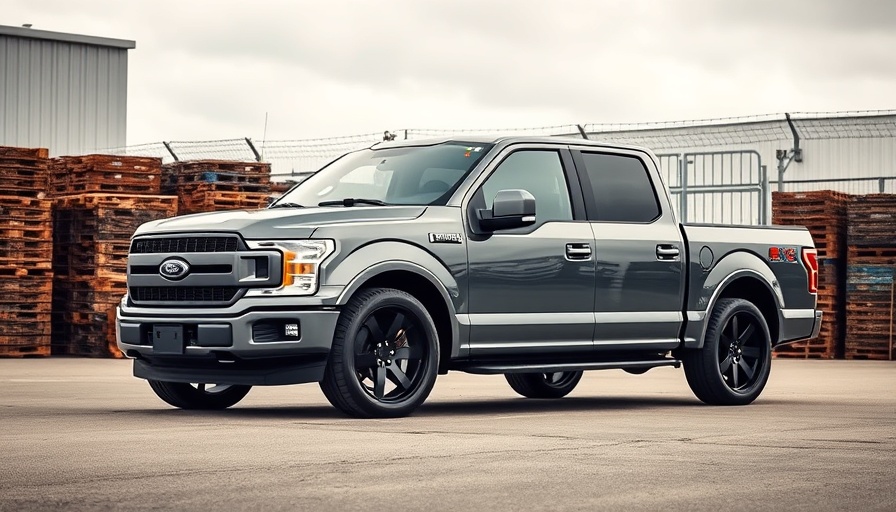
Best F-150 Mods 2025: Sleek Ford F-150 in industrial setting

Discover the Best Ways to Enhance Your F-150

The Ford F-150 is America's best-selling truck for a reason; it combines rugged durability with versatile utility. However, given the diverse needs of truck owners, many find that their factory-installed F-150 doesn't quite fit their adventurous lifestyle or aesthetic preferences. Understanding how to modify your F-150 effectively can transform it from a standard vehicle into a personalized powerhouse. Here’s a curated list of modifications that not only enhance performance but also elevate style and functionality.

Why Some Modifications Fail and How to Avoid Them

When considering modifications for your F-150, it’s crucial to know that not every aftermarket part will yield positive results. Some modifications can create issues that counteract enhancements. For example, adding a cold air intake without a proper tune can trigger check engine lights. It’s about finding the sweet spot where upgrades complement your truck’s engineering. Always remember that effective mods work hand in hand with existing systems.

Top 10 Performance Enhancements for Your F-150

Here are ten highly recommended modifications considered the best for performance and style upgrades in the F-150:

  1. Bed Liners: Protect your truck's bed from wear and tear with either spray-in or drop-in liners.
  2. Cold Air Intakes: Enhance engine breathing to improve horsepower and efficiency.
  3. Suspension Upgrades: Ensure better handling and performance, especially if you frequently go off-road.
  4. Performance Tuners: Adjusts engine settings for improved performance and better fuel efficiency.
  5. Exhaust Systems: A high-performance exhaust system can improve both sound and efficiency.
  6. Wheels and Tires: Upgraded wheels can enhance both traction and aesthetics.
  7. LED Lighting: Modern LED light kits improve visibility while adding a stylish touch.
  8. Supercharger Kits: Significantly boost horsepower for those wanting maximized performance.
  9. Brake Enhancements: Upgraded brake pads or rotors provide better stopping power.
  10. Body Kits: Customize the look of your truck with a new set of bumpers or fender flares.

Maximize Your Investment with Smart Spending

Investing in your F-150 doesn’t mean you need to break the bank. Prioritize modifications based on your actual usage. For instance, if you frequently haul heavy loads, focus on suspension upgrades or brake enhancements. However, if your aim is to attract visual appeal, consider exterior upgrades or stylish lighting. Additionally, understanding warranty implications is vital; certain modifications can void parts of your warranty. Check with your dealership about what modifications are acceptable.

Expert Insights for F-150 Enthusiasts

As noted by automotive industry experts, successful customization hinges on choosing modifications that leverage the truck’s existing capabilities. For example, modifications that amplify the F-150’s already robust structure can vastly improve performance while ensuring that any warranty issues remain minimal. Seek insights from automotive insiders or technicians to navigate which modifications are worth considering.

Future Predictions for F-150 Modifications

As the automotive landscape evolves, expect a rise in technology-driven modifications. Innovations in smart features and eco-friendly enhancements—such as hybrid or fully electric retrofits—represent future trends. Such modifications could redefine what performance means for F-150 owners as consumer preferences shift towards sustainability without compromising power.

A Final Word on Customizing Your F-150

Tailoring your Ford F-150 can turn a common truck into a standout vehicle that meets your unique preferences and needs. By following the guidance of trusted automotive insiders and sticking to smart, well-planned upgrades, you can ensure your modifications lead to improved performance, enhanced reliability, and a more satisfying ownership experience.

Actionable Steps to Modify Your F-150 Wisely

Before diving into modifications, do thorough research: consult with local experts, engage with automotive forums, and gather insights from industry insiders on the best practices for customizing your F-150. Understanding your vehicle and the benefits of various upgrades can save you time and money while maximizing your truck's potential. The right modifications will not only enhance your driving experience but will also increase the value of your investment.

insider tips

6 Views

0 Comments

Write A Comment

*
*
Related Posts All Posts
02.15.2026

Master Your Cadillac Ownership: Avoid Common Repairs With Insider Tips

Update Understanding Cadillac Reliability: Maintenance Is Key Cadillac ownership often comes with a certain expectation of luxury that sometimes overshadows the reality that maintaining this brand requires rigor and care. Unlike the reputation of some other luxury brands, Cadillacs are not inherently fragile; however, neglecting regular maintenance leads to costly repairs. The common issues tied to Cadillac ownership—overheating, oil leaks, misfiring engines—demand that owners remain vigilant and proactive with their vehicles. Furthermore, understanding the vehicle's intricacies can mitigate these issues and extend the car's lifespan. Signs Of Cooling Problems: Don't Ignore These Warning Signs Overheating is a recurring problem that many Cadillac owners may encounter. It can begin subtly with unusual smells or fluctuating temperature gauges, and if ignored, it can lead to severe engine damage. Regularly checking the coolant levels—especially as the vehicle ages—is essential. If a leak occurs, it is often best detected early by routinely inspecting hoses and clamps. As detailed by a local auto repair shop in Hixson, TN, “A disciplined owner who checks coolant levels can avoid large expenses.” It’s not just about placating the senses; it's about ensuring functionality in the long run. Addressing Oil Leaks Before They Become Major Issues Oil leaks are typically normalized by many car owners, making them a common, yet critical, issue that must not be overlooked. Observing oil spots under the vehicle should prompt immediate action. If you see oil on your driveway, take it seriously. Thoroughly clean the area and check it again after driving. Early intervention can save you from extensive engine repairs that might arise from prolonged exposure to low oil levels. Regularly scheduled oil changes should align with your driving habits and not merely follow a pre-set schedule, as maintaining adequate oil levels is crucial for optimal engine performance. Understanding Misfires: Diagnostics Are Your Friend Misfires in Cadillacs can occur for several typical reasons—faulty spark plugs or ignition coils being the most common culprits. However, the tendency to continuously throw parts at the problem can lead to unnecessary expenses. Instead, take the time to run diagnostics and identify patterns that could indicate the root cause of the issue. For example, if your Cadillac only misfires when cold, it might not require a complete engine overhaul; instead, it might just need a simple fix related to the ignition system. The Importance of Suspension Maintenance The Cadillac experience is defined by its luxurious, smooth ride. When abnormal noises start to surface, possibly indicating worn-out bushings or shocks, it’s crucial to recognize that neglect will only worsen the issue. One must assess their tolerance for noise versus ride quality. Maintaining a harmonious balance between comfort and functionality means being proactive about addressing early signs of wear and tear, ensuring that the Cadillac experience remains luxurious. Dealing With Electrical Issues: Prevention and Preparedness Electrical gremlins can often plague Cadillac owners, especially with their technologically advanced systems. Unexpected failures in the infotainment system or electrical diagnostics can frustrate even the most seasoned driver. To minimize disruptions, owners should familiarize themselves with their vehicle’s electrical systems, keeping an eye on any strange behaviors or warning lights. Engaging a professional technician to diagnose electrical issues early can save the headache of larger, more complex repairs later. Routine Maintenance Tips: More Than Just A Checklist Many Cadillac owners might overlook simple maintenance tasks due to convenience or forgetfulness. However, establishing a robust routine maintenance schedule can extend the life of the vehicle significantly. Tasks like changing the air filter, inspecting the brakes, and checking tire pressure should be included in monthly routines. Following Cadillac's manufacturer-recommended service intervals, alongside an awareness of your driving habits, will help maintain the car’s performance. Remember, proactive maintenance can prevent most significant repairs before they arise. Future-Proofing Your Cadillac Ownership The automotive industry continues to evolve. With developments in technology and more awareness about vehicle care, understanding how to manage your Cadillac can offer peace of mind and preserve its value over time. Keeping up with the latest automotive news and trends can empower you as an owner, helping you make well-informed decisions about repairs, upgrades, and maintenance. Knowledge is a powerful ally in avoiding unnecessary costs and keeping your Cadillac in peak condition. By being proactive about maintenance and understanding the common repairs associated with Cadillac vehicles, owners can significantly reduce the likelihood of encountering costly failures. Drive with intention, and always heed your vehicle's signs, so your Cadillac remains not just a status symbol, but a reliable partner on all your journeys. For more expert automotive insights and tailored advice, stay tuned to updates in the industry. Engaging in community discussions through platforms focused on Cadillac maintenance could significantly enrich your ownership experience, arming you with the insider tips to navigate the automotive waters with confidence.

02.13.2026

Understanding When a Truck Accident Turns Into a Federal Case

Update Understanding the Shift: When a Truck Accident Becomes Federally RegulatedThe perception of a truck accident's severity often starts with its size. Larger vehicles typically cause more physical damage, leading to the assumption that the larger the vehicle, the more catastrophic the accident. However, as crashed vehicles are examined closely, the distinction between a mere accident and a federally regulated case becomes stark. This shift is initiated not by the truck's size but by the complex web of federal regulations that govern truck operations.The Crucial Moment: Transitioning to Federal OversightTruck accidents enter the realm of federal regulation when a commercial motor vehicle is operating under federal authority. Under the Federal Motor Carrier Safety Administration (FMCSA), legislation covers various aspects of trucking—from driver qualifications to maintenance practices. If a truck accident occurs involving interstate commerce or the vehicle is used by a federally registered carrier, the case shifts from a routine accident to a serious regulatory issue.Key regulatory standards heavily influence how these cases unfold. Factors such as whether the driver operated within legal hours, whether the vehicle was properly maintained, and whether appropriate measures were taken to ensure driver fitness come under scrutiny. These regulations are designed to prevent crashes and when accidents occur, they point to larger systemic failures rather than isolated mistakes.Fault Beyond the Moment of Impact: Expanding the Definition of NegligenceIn ordinary accidents, fault is often a snapshot—a driver’s momentary lapse in judgment. However, federally regulated truck accidents broaden this understanding of fault, pushing the focus back to decisions made long before the crash. The legal framework encourages an examination of systemic failings that may have contributed to the accident. Was the driver subjected to undue pressure from dispatch, or were routine maintenance checks neglected? Questions like these help establish a narrative that extends beyond isolated driver error and instead examines the broader operational environment.The Ripple Effect: Who is Liable?Moreover, federally regulated trucking accidents do not simply implicate the driver. Responsibility cascades down through the commercial operation, affecting several parties. From trucking companies that manage hiring and training, to maintenance providers and even cargo loaders, multiple entities share the risk and liability associated with the crash.Undocumented Violations: The Importance of EvidenceTo fully grasp the implications of a federally regulated case, understanding the evidence required is crucial. Documentation such as driver logs, maintenance records, and electronic data can reveal much about adherence to federal regulations. If it is discovered that policies were violated, these findings can support negligence claims against multiple parties in the trucking operation.The Broader Impact of Violations: Shaping Future Regulations and AccountabilityIn a world where safety regulations are paramount, failure to comply with these standards often leads to significant consequences that extend beyond individual accidents. The repercussions can affect insurance policies and lead to stricter regulatory measures. Understanding these potential outcomes is essential for those engaged in the trucking industry, as they highlight the need for consistent compliance.A Special Perspective: The Personal Impact of Accident CasesSevere injuries resulting from truck accidents can impose devastating emotional, financial, and physical burdens on victims. Survivors frequently require long-term care, face medical debt, and cope with ongoing psychological distress. Knowledge of regulatory frameworks and the severity of potential liabilities may empower victims and their families to seek the accountability necessary to navigate recovery.Conclusion: Building Resilience Through KnowledgeFor victims in truck accident cases, understanding how federal regulations impact litigation cannot be understated. Victims must be aware of how the legal landscape changes dramatically depending on whether the truck was federally regulated at the time of the accident. This knowledge not only leads to informed decisions about pursuing compensation but also highlights a commitment to safety and accountability in a sector that affects every road user.

02.06.2026

Solving the Space Problem: Seasonal Tires and Roof Racks Unpacked

Update Understanding the Space Problem: Seasonal Gear and Our Cars As seasons shift, drivers often find themselves grappling with the "space problem"—a term that describes how their vehicle gear expands and overwhelms available storage. One week, your garage may feel pristine, but the next week it becomes a precarious balance of piled tires, rooftop carriers, and appliance-like accessories taking over valuable space. This situation isn’t just a nuisance; it also poses a risk to your gear and reduces the functionality of essential spaces. Understanding how seasonal equipment eats away usable space can help you develop strategies to prevent clutter from taking over. How Seasonal Gear Consumes Space Seasonal vehicle gear, such as winter tires or roof racks designed for vacation adventures, tends to expand beyond its physical footprint. Tires can lean awkwardly against walls, and racks may end up cluttering the garage floor. This creeping clutter is not merely a matter of square footage; it creates obstructions in walkways and critical access points, making basic tasks time-consuming and increasingly frustrating. Moreover, when clutter crowds your space, the likelihood of damaging your expensive gear rises sharply. Many drivers seeking relief often turn to external storage options, like Mt Zion Rd storage, to reclaim their garages without having to dispose of necessary equipment. Recognizing how seasonal equipment affects your space may shift your focus from hasty solutions to smarter, rotating storage strategies. The Essentials of Seasonal Storage One of the key insights is distinguishing between what gear really needs to be easily accessible and what can be stored away. Not all seasonal items deserve immediate access. Essential principles include: Seasonal Matching: Keep items relevant to current weather accessible while moving off-season gear to longer-term storage. Protecting Investments: Proper storage prolongs the lifespan of high-value equipment, ensuring it remains functional the next time it’s pulled out. Prioritizing Movement: Focus on preserving space for movement and usability rather than keeping everything in sight. Alongside these principles, avoiding common pitfalls can make all the difference—misplacing off-season tires in high-traffic areas and letting temporary arrangements become permanent are two examples that can lead to chaos. Implementing an Efficient Rotation Strategy Planning your gear rotation is as critical as the items you own. Start by identifying which items belong in the current season and determine a staging area for easy access to active gear to prevent constant rearranging. To facilitate efficient transitions, consider these structured steps: Establish a clear staging area to prevent frantic reorganizing when you need something in a hurry. Completely remove off-season items from the garage to minimize crowding. Properly label seasonal gear and protect it with covers that prevent wear and tear. Schedule gear rotations in advance to avoid last-minute scrambles and ensure smooth transitions. Protecting Gear Between Seasons Proper care and handling extend the life of your tires and roof racks. Store tires in cool, dry places away from direct sunlight to prevent deformation. For roof racks, padding and covers are essential to prevent damage from scratches and corrosion, while disassembling non-essential parts can reduce wear. A simple inspection every season—a quick check once or twice—can keep conditions favorable for your stored gear while minimizing unnecessary handling. Preparing for Seasonal Shifts: A Recap Being proactive in planning for seasonal transitions significantly eases the stress of gear management. Designating storage locations before the weather changes will minimize last-minute chaos, reducing the chance of accidental damage to your expensive equipment. Embracing a thoughtful approach to your vehicle's seasonal storage will lead to less friction and more joy in vehicle use. As we approach another seasonal shift, take a moment to reevaluate your storage strategies. Reflecting on how these seasonal items fit into your everyday life can lead to better organization, protecting your investments and ultimately enhancing your driving experience! For those looking for more insider tips on vehicle care and maintenance, database your storage solutions and plan your transitions to ensure your gear is both accessible and secure in any season.

Terms of Service

Privacy Policy

Core Modal Title

Sorry, no results found

You Might Find These Articles Interesting

T
Please Check Your Email
We Will Be Following Up Shortly
*
*
*