
cropper
update
AutoInsiders
update
  • Home
  • Categories
    • insider tips
    • expert reviews
    • industry trends
    • automotive knowledge
    • car insights
    • vehicle advice
    • maintenance tips
    • buying guides
    • market analysis
    • performance reviews
May 30.2025
3 Minutes Read

Unlocking the Secrets of Restoring Old Vehicles on a Budget

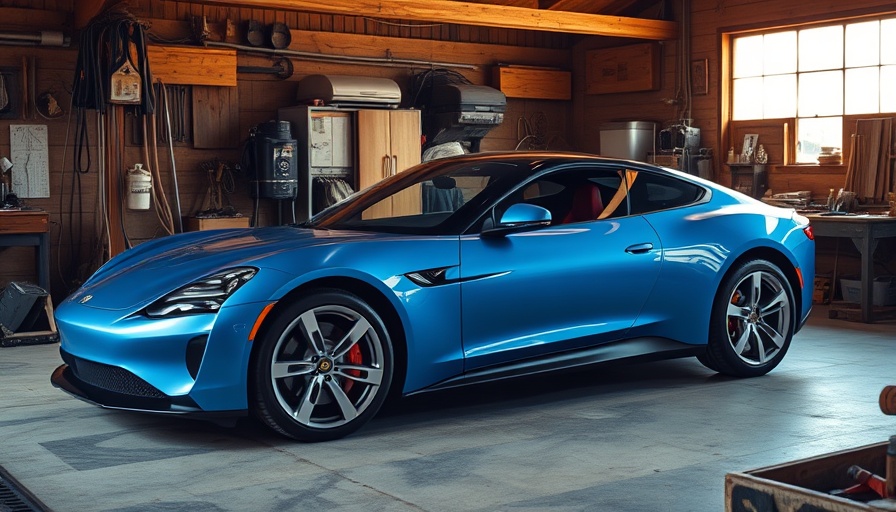
Sleek blue car in rustic garage, example of restoring old cars.

Unleashing Your Passion: The Joys of Restoring Old Vehicles

Restoring old vehicles is not just a hobby; it's a thrilling adventure that taps into creativity, skill, and a deep appreciation for automobiles. Enthusiasts often find great satisfaction in reviving classic muscle cars or vintage rides. While it can be a rewarding experience, it’s crucial to approach the restoration process with a sensible budget plan.

Navigating the Restoration Ecosystem

Understanding the process of restoration is key. Unlike mere cosmetic upgrades, a complete car restoration seeks to return the vehicle to its original performance, safety, and aesthetic standards. This multifaceted process delves into everything from bodywork to mechanical components. For those aiming to save money, DIY efforts can go a long way.

Estimating Restoration Costs: A Mixed Bag

One pressing question for first-time restorers is, "What will it cost to restore my car?" The answer is as varied as the cars themselves. Factors such as the vehicle’s condition, required parts, and whether professional services are employed play significant roles. For example:

  1. Body Work and Paint Job: Costs can be as low as a few hundred dollars for DIY projects but can escalate into the thousands for high-quality professional jobs.
  2. Car Interior: Restoring leather seats can range from $50 for DIY kits to hundreds for professional restoration, making it vital to consider maintenance and care tips to avoid extravagant expenses.
  3. Mechanical Work: Major repairs, such as engine rebuilding or transmission replacement, can significantly inflate costs, making it essential to budget carefully.

Revitalizing Your Car’s Appearance

One of the most visually impactful upgrades during restoration is a fresh paint job. This usually serves as a focal point, making the entire project feel worthwhile. A quality paint job can make old vehicles feel new again and is often seen as a hallmark of a well-done restoration. Selecting the right type of paint and finish can influence not just aesthetics but also long-term preservation and resale value.

Finding Vintage Parts: The Search for Authenticity

When restoring classic vehicles, sourcing vintage car parts becomes imperative. Authentic components not only enhance the restoration process but also ensure that the car maintains its value and heritage. Understanding where to look, whether at salvage yards, antique shows, or online marketplaces, can save time and costs considerably.

Mastering DIY Techniques: Skills and Tools

Taking a DIY approach can be both financially advantageous and personally gratifying. It allows you to master various skills—ranging from mechanical repairs to painting techniques—and gain valuable insights into car restoration. Handy tools such as socket sets, wrenches, and specialized painting equipment can transform you from novice to knowledgeable restorer, paving the way for future projects.

Embracing Community Support

The car restoration community is vast and supportive. Connecting with fellow enthusiasts, joining local clubs, or participating in forums can provide guidance and motivation. Sharing experiences and tips will enrich your understanding and make the restoration journey much more enjoyable. It can also help demystify technical details such as routine car service checklists and maintenance tips that apply universally.

Future Trends in Auto Restoration

As technology continues to evolve, so will the field of auto restoration. Trends such as electric vehicle (EV) conversion for classic cars are gaining traction, allowing for retrofitting vintage cars with modern zero-emission technology. This movement not only preserves classic designs but also aligns them with contemporary environmental standards, merging the old with the new.

Concluding Thoughts: Take Action on Your Restoration Journey

Whether you’re just starting or are well on your way in your restoration journey, remember that planning, budgeting, and sourcing the right materials are essential for success. Embrace the process, seek assistance from the community, and turn your vintage dream car into a reality. And don't forget to develop a car maintenance schedule to keep your restored vehicle in great shape for years to come.

maintenance tips

7 Views

0 Comments

Write A Comment

*
*
Please complete the captcha to submit your comment.
Related Posts All Posts
05.25.2026

The BMW Isetta 300: A Quirky Hero of Post-War Redemption

Update Exploring the Unique Heritage of the BMW Isetta 300 In a recent episode of Jay Leno's Garage, we took a whimsical ride in the 1958 BMW Isetta 300, a car that may not seem much at first glance but has an extraordinary story intertwined with the revival of BMW itself. Post-World War II, Germany was in disarray, and the automotive industry faced stringent restrictions. Surprisingly, a small Italian design would be the knight in shining armor for the company.In 'The Refrigerator Car That Saved BMW: Jay Leno’s Isetta 300 Drive', the discussion dives into the fascinating tale of the BMW Isetta, exploring key insights that sparked deeper analysis on our end. The Isetta, originally an Italian creation, was acquired by BMW and transformed into a dependable family vehicle. With a single-cylinder 300cc engine, it packed only 13 horsepower, but its quirky style made it a beloved city car in Europe and beyond. After selling over 160,000 units, it became a foundational model that supported BMW’s growth, allowing them to eventually produce the high-performance cars we know and love today. Understanding the Context: Why the Isetta Was Essential The aftermath of the war saw Europe riddled with financial turmoil and physical devastation. The Marshall Plan aimed at rehabilitating the continent by injecting funds into struggling businesses. The Isetta was tailor-made for this context, serving as an affordable means of transportation for families seeking recovery. This vehicle is often characterized as an 'enclosed scooter' rather than a conventional car, allowing buyers to travel comfortably without the vulnerabilities faced by motorcycles. Its design cleverly utilized a refrigerator door—the very product made by the Italian company Iso. This creativity serves as a metaphor for the resourcefulness that characterized this era. Car Maintenance Tips for Your Vehicle While the Isetta 300 may be a charming classic, keeping your own vehicle in good shape is crucial. Here are some essential car maintenance tips to keep in mind: Know Your Fluids: Regularly checking your engine oil, coolant, and brake fluid is key to maintaining vehicle health. Make this part of your car maintenance checklist. Routine Inspections: Inspect belts and hoses for signs of wear. Replace any that seem cracked or frayed. Brake Maintenance: Test your brakes frequently and replace pads and rotors as needed—that's vital for safety. Tire Care: Don't forget about tire rotation and alignment; paying attention to tire pressure can improve fuel efficiency. Air Filter Changes: Keeping your engine's air filter clean allows it to breathe better, improving overall performance. The Isetta's Cultural Impact: More Than Just a Car The BMW Isetta’s clever engineering and nostalgic design make it more than a vehicle; it’s a symbol of post-war ingenuity. Microcars like the Isetta found a niche in tight European urban environments, combining economy and utility in a way that larger vehicles were unable to do. As cities become more congested, such compact cars are gaining increased attention for their practicality. This trend could provide insights into the future of urban transport, especially as cities seek to become greener. The practicality of a microcar is timeless in its appeal, making it an interesting model for environmentally friendly transportation solutions. Spotting the Isetta's Evolution and Legacy The vehicle's design mirrored the era’s shifting priorities. It showcased a departure from the traditional large family cars that ruled before the war. Instead, it ushered in a new approach to design, emphasizing efficiency and affordability without compromising family comfort. Moreover, it’s worthwhile considering how automobile companies adapt and evolve in today’s market. Just as BMW made a significant pivot with the Isetta, current brands are innovating in how they introduce electric and hybrid vehicles into their respective lineups, ensuring that they remain relevant in an ever-changing landscape. In Conclusion: Reviving the Spirit of Innovation The BMW Isetta 300's charm and wit may be apparent in its small stature, but its legacy is monumental in understanding a period of innovation in the automotive industry. Taking notes from its story can inspire drivers today to appreciate not only their vehicles but also the tempo of history surrounding the automotive world. For those who own vehicles, whether they are modern or classics, consider implementing some actionable car maintenance tips into your routine. This diligence can prolong the life and reliability of your vehicle, similar to the role the Isetta played in positioning BMW as a survivor and innovator in a challenging market. So, decked in the vibrant colors of the past, the Isetta invites us not merely to drive but also to carry forward the spirit of creativity and adaptability that once brought a company back to life.

05.21.2026

A Better Bid vs. Copart: Navigating Auction Access for Car Buyers

Update Understanding A Better Bid vs. Copart: Which is Right for You? If you’re in the market for a salvage title or used vehicle, you likely find yourself contemplating the differences between A Better Bid and Copart. While both serve as platforms to purchase vehicles, they operate under distinctly different models that cater to varied buyer needs and levels of experience. What Sets Copart Apart? Copart is a renowned vehicle auction marketplace with a robust inventory that includes salvage, clean title, and repairable vehicles sourced from insurance companies, rental agencies, and private sellers. It’s the platform of choice for many licensed dealers, dismantlers, and seasoned buyers due to its direct access to a vast array of vehicles. However, the platform does come with its limitations: primarily, bidding usually necessitates holding a dealer license or similar credentials. A Better Bid: Your Broker Solution On the other hand, A Better Bid acts as a broker, offering access to Copart’s inventory for those who may not have the necessary licenses. This platform is ideal for public buyers who want to navigate the complexities of vehicle auctions but need a guiding hand. However, despite streamlining the entry process, A Better Bid does not eliminate the necessity of understanding auction dynamics, which remains essential in ensuring that potential buyers can make informed decisions. Cost Considerations: A Comparison Password understanding the cost structures between these two platforms is crucial in your buying decision. When bidding on vehicles, it’s vital to remember that the winning bid is rarely the final price. Both Copart and A Better Bid include additional fees beyond the bid amount. Typically, buyers can expect to pay a range of fees depending on the vehicle price, method of payment, and whether they are using a broker service. Choosing the Right Path for Your Purchase Ultimately, the choice between A Better Bid and Copart boils down to your experience level and willingness to navigate the auction landscape. If you possess the license and skills to bid directly on Copart, it can lead to substantial savings. However, if you’re a novice buyer or lack the necessary credentials, A Better Bid provides an essential gateway to accessing the same inventory, albeit with added costs related to broker fees. Common Pitfalls Buyers Should Avoid Regardless of the route you choose, many buyers fall into the same traps. For instance, failing to perform due diligence on individual vehicles can lead to significant costs down the line. Additionally, buyers must account for all fees—including broker fees—when calculating their total expenses. Understanding the specifics of title brands, payment deadlines, and the logistical aspects of shipping and pickup is integral to a successful purchase. The Bigger Picture: Vehicle Maintenance and Ownership Once the decision between A Better Bid and Copart is made and a vehicle is purchased, the focus shifts to post-purchase responsibilities. Proper car maintenance is critical, especially for salvage or used vehicles. This includes adhering to a routine vehicle maintenance checklist, scheduling engine diagnostics, and knowing how often to change oil. Buyers should also consider having a strategy for brake pad replacements and preparing for possible engine or transmission issues, as these factors significantly influence long-term vehicle reliability. Actionable Insights for the Aspiring Buyer As you navigate the car auction world, keep these insights in mind: weigh the pros and cons of direct access via Copart against the benefits provided by a broker like A Better Bid. Perform thorough research on individual vehicles and always prepare yourself for additional costs beyond the initial bid. For ongoing reliability, integrate a comprehensive vehicle maintenance schedule into your ownership responsibilities. In conclusion, whether you choose A Better Bid or Copart, embarking on your vehicle acquisition journey requires careful consideration, strategic planning, and an understanding of the responsibilities following your purchase. The insights gathered here can be foundational in making a well-informed decision, ensuring you not only secure a great deal but also enjoy a vehicle that serves you well in the long run.

05.21.2026

Why the Most Stolen Cars in America 2026 Are Everyday Models

Update The Paradox of Auto Theft in America Despite a remarkable 23% decline in overall auto thefts across the United States, a peculiar trend continues: everyday vehicles like sedans and pickup trucks are still prime targets for thieves. According to data from the National Insurance Crime Bureau (NICB), a vehicle is stolen every 48 seconds, with an astonishing 659,880 cars reported stolen in 2025. This article delves into the reasons behind this paradox and highlights the vehicles that are most commonly stolen. Understanding the Numbers: Why Common Cars Are Stolen More The stark reality of auto theft is not the luxury models that catch the eye; instead, it's older, high-volume models that stand out in crowded parking lots. The NICB indicates that thieves gravitate toward these vehicles due to the high demand for their parts in the underground market. Components such as engines, catalytic converters, and body panels can be stripped and resold quickly, making these cars particularly appealing targets. Older models, especially those lacking modern security features, remain highly vulnerable. Top 10 Most Stolen Cars of 2026 Based on theft statistics from various authoritative sources, the list of the most commonly stolen vehicles is dominated by brands and models renowned for their accessibility and aftermarket value. Below are the top-ranked vehicles along with their observed theft rates: 1. Hyundai Elantra: 21,732 thefts - Vulnerability in ignition systems. 2. Honda Accord: 17,797 thefts - High demand for parts. 3. Hyundai Sonata: 17,687 thefts - Shared platform with Elantra. 4. Chevrolet Silverado 1500: 16,764 thefts - Valuable truck components. 5. Honda Civic: 12,725 thefts - Strong secondary parts market. 6. Kia Optima: 11,521 thefts - Older models lacking immobilizers. 7. Ford F-150: 10,102 thefts - Premium engine and panel demand. 8. Toyota Camry: 9,833 thefts - High production volume. 9. Honda CR-V: 9,809 thefts - Parts for all-wheel drive systems. 10. Nissan Altima: 8,445 thefts - Exploitable keyless-entry systems. The Rise of Catalytic Converter Theft Catalytic converters have surged in value in recent years due to the rare metals they contain, such as platinum, palladium, and rhodium. As a result, SUVs and vehicles with vulnerable setups have made it onto the most stolen lists. The NICB highlights that suburban areas, where families typically own these vehicles, are becoming hotspots for such theft. State and City Hotspots for Auto Theft The pattern of auto theft is not uniform across the country. California leads the nation with a staggering 136,998 vehicles stolen, making up about 20% of the total thefts nationwide. Other states with notable theft rates include Texas, Illinois, and Florida, where urban areas often see the most significant activity. In metropolitan regions like Los Angeles, New York City, and Chicago, residents face considerable risks of auto theft. Protecting Your Vehicle: Prevention Tips Given the uptick in auto thefts, it’s vital for car owners to implement preventative measures. Here are some tips to consider: Always park in well-lit, high-traffic areas. Utilize steering wheel locks for added security. Install a GPS tracking device for quick recovery. Never leave valuables in sight within the car. Consider professional security systems for added peace of mind. Insurance Tips if Your Vehicle is Stolen If the unfortunate happens and your vehicle is stolen, having the right insurance coverage is crucial. Comprehensive insurance will cover theft losses, but reviewing your policy is important to ensure adequate coverage for aftermarket parts or customizations. Filing a police report promptly can aid in both recovery efforts and insurance claims. Conclusion: Staying Vigilant While the overall trend in auto theft may show a decline, owners of popular vehicles must remain vigilant. By understanding which cars are targeted and implementing the right precautions, drivers can significantly reduce their risk of becoming victims. Always prioritize your vehicle’s security and stay informed about the current theft trends.

Terms of Service

Privacy Policy

Core Modal Title

Sorry, no results found

You Might Find These Articles Interesting

T
Please Check Your Email
We Will Be Following Up Shortly
*
*
*