
cropper
update
AutoInsiders
update
  • Home
  • Categories
    • insider tips
    • expert reviews
    • industry trends
    • automotive knowledge
    • car insights
    • vehicle advice
    • maintenance tips
    • buying guides
    • market analysis
    • performance reviews
November 18.2026
4 Minutes Read

Unlocking the Secrets to Buying Cars at Copart Auctions

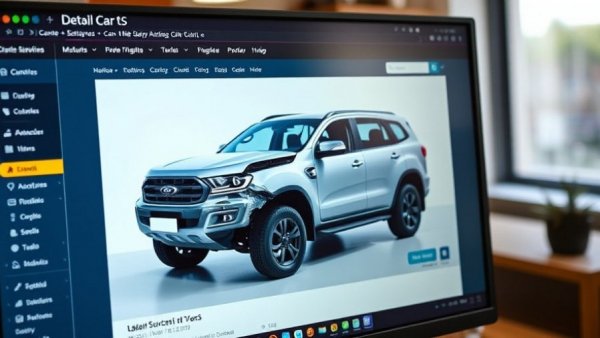
Buying cars at Copart auctions through online interface with car listings.

Unlocking the Secrets to Buying Cars at Copart Auctions

For first-time bidders navigating the world of online car auctions, understanding the nuances of purchasing vehicles from Copart can be daunting. Copart's platform offers a variety of cars—some wrecked, some salvage, and others practically brand new—but navigating the process can feel overwhelming. Here’s your step-by-step guide to making informed decisions and securing the best deals.

Your Gateway to Affordable Vehicles: Understanding Copart

Copart auctions are popular not only for traditional car buyers but also for enthusiasts interested in restoring cars. Whether you're in the market for a classic car or seeking parts for a muscle car restoration, Copart facilitates access to numerous vehicles through online bidding. AutoBidMaster allows buyers without a dealer's license to engage in these auctions, making it accessible for everyone. The convenience of participating in these auctions from the comfort of your own home attracts many, allowing for a broad range of vehicle options.

Finding Vehicles: Sifting Through the Noise

Start your journey by searching for suitable vehicles. Use filters to narrow down options based on your preferences for make, model, and condition. Don’t just rely on photos; delve into the history reports and inspection results to ensure you’re making a sound investment. Be sure to also check the vehicle's location and any logistical considerations related to transport. Moreover, if possible, arrange for an inspection to gain a comprehensive understanding of the vehicle's state.

The Ins and Outs of Bidding: Know Before You Go

Understanding the bidding process is crucial. Copart’s auctions typically consist of three phases: preliminary bidding, live auctions, and fixed-price offers. Familiarize yourself with these phases to avoid pitfalls, such as misunderstandings about bidding increments or unexpected seller approvals. Taking the time to watch a few auctions before participating can provide valuable insights into the rhythm and common practices of the bidding process. Knowing when to place your bid can make all the difference.

Essential Documentation: Title Types Demystified

Knowledge of title types is critical when considering a vehicle. Copart listings will often mention titles such as clean, salvage, or rebuilt. Each title type has implications for how you can use the vehicle and whether it can be registered in your state. Always check the ownership documents for the vehicle and confirm they meet the local requirements for registration. Understanding the differences between these titles can prevent unexpected challenges down the road, particularly when it comes time to insure or resell the vehicle.

Preparing for Bid: Financial Considerations

Before plunging into bidding, establish a budget that covers not just the vehicle price but also additional costs like fees, shipping, and potential repairs. Setting a mindful limit helps in making prudent financial decisions and ensures you won't overspend during the excitement of bidding. Track all anticipated expenses diligently. This includes not just immediate fees but also future costs like repairs and maintenance if you're purchasing a salvage or rebuilt title vehicle.

Finalizing Your Purchase: The Last Steps

Once you successfully win an auction, the next phase includes making payment by the specified deadline and completing all necessary paperwork. It's also essential to arrange for transport, especially if you're buying the vehicle from out of state. Having a trustworthy transport service lined up can save you time and worry. Additionally, be prepared for potential delays in shipping and plan accordingly so it doesn’t disrupt your plans.

Repairing Your Purchase: Car Restoration Insights

If you’re considering a restoration project, understanding potential costs is crucial. From routine maintenance like brake pad replacement and oil changes to major restoration expenses, being informed can save both time and money. Research local resources including body shops specializing in auto restoration near you for best practices and estimates on costs. Engaging with a community of restorers can offer valuable tips and resources, enabling you to learn from the experiences of others who have undertaken similar projects.

Maintenance Tips for Your Auction Find

After acquiring your vehicle, maintaining it should be a priority. Adhering to a vehicle maintenance checklist ensures you keep your car in top shape. Include essential steps like tire rotations and air filter replacements regularly, and don’t overlook checking fluid levels. A little preventive maintenance can go a long way in preserving the value and functionality of your newly acquired vehicle. Consider joining clubs or online forums where maintenance tips and product recommendations are frequently shared among fellow car enthusiasts.

The Community Connection: Engaging with Fellow Enthusiasts

Buying cars at auctions is not just about the vehicles; it’s about the community. Connecting with fellow enthusiasts can provide insights into restoration tips, sourcing parts, and sharing experiences, making the entire auction journey more enriching. By building these relationships, you can gain access to a wealth of knowledge and even discover potential collaborations on restoration projects. Local car shows and online forums are great places to start forging these connections.

Conclusion: Empowering Your Auction Journey

As you embark on your journey of buying cars at Copart, remember that knowledge is power. Understanding the auction process, knowing what to look for in a vehicle, and preparing yourself financially will empower you to make confident decisions. Explore the vast opportunities in the auction world, and don't hesitate to connect with others who share your passion. The thrill of finding the right car at the right price can be incredibly rewarding, making the preparation and learning process well worth the effort.

maintenance tips

1 Views

0 Comments

Write A Comment

*
*
Please complete the captcha to submit your comment.
Related Posts All Posts
11.17.2026

Mastering Salvage Car Purchases: Spotting Frame vs. Cosmetic Damage

Update Understanding Frame and Cosmetic Damage: What Every Buyer Should Know When venturing into the world of buying salvage cars, particularly through platforms like Copart, understanding the nuances of vehicle damage can make a significant difference in your investment. Frame damage, which refers to structural imperfections, can pose serious safety concerns and lead to higher repair costs, while cosmetic damage primarily affects the car's appearance. Yet, the latter can sometimes mask deeper, more insidious problems. The Importance of Identifying Damage Ignoring frame damage can amplify safety risks and lead to unexpected financial burdens. Repairs for frame damage are typically more costly than those for cosmetic issues. Therefore, proper screening of vehicles is essential before placing a bid. It also prepares buyers for potential expenses, ensuring they budget wisely. Certainly, cosmetic damage might suggest underlying structural damage. Simple paint chips or scratches may not affect functionality directly but could conceal more serious issues, leading to a potential downturn in the car's reliability. That’s why it is crucial to differentiate between what constitutes structural issues versus minor blemishes. Recognizing the Risk Factors Understanding the risks associated with both frame and cosmetic damage can help steer your purchasing decisions. Frame damage can often render a vehicle unsafe to drive, which may not be immediately visible. For instance, a bent frame can affect the car's steering and tire alignment, leading to increased tire wear and even accidents. On the other hand, while cosmetic damage might appear innocuous, it can sometimes signal deeper problems that could affect engine performance or electrical systems. Being aware of these risk factors creates a more informed buyer, one who can make better decisions and negotiate effectively. Types of Vehicle Damage and Their Implications In your journey to spot damage, it’s crucial to understand these key classifications: Frame/Structural Damage: This type directly impacts the vehicle's integrity. Examples include buckled rails or distorted pillars, which can often be evaluated only by a professional assessor. Repairing this type of damage may involve extensive labor and costly parts, meaning buyers could face high expenses down the line. Cosmetic Damage: Importantly, this primarily affects the appearance of the car without impairing its function. Common examples are paint scuffs or minor surface scratches. These repairs might be straightforward, but if they're not addressed, they could lead to rust and further deterioration. Nonstructural Functional Damage: This encompasses issues that affect vehicle functionality without compromising structural integrity. Problems like coolant leaks or transmission malfunctions fall into this category. Although repair costs may vary, addressing functional issues promptly is vital to prevent further complications. Each type of damage requires separate assessment and repair steps that should be considered before making any financial commitments. How to Inspect for Frame Damage When inspecting a car at Copart, begin with a thorough visual check. Here are some tips: Look for inconsistencies in the body lines: Uneven gaps or misalignments can indicate frame damage, suggesting that the integrity of the car has been compromised. Check underneath the vehicle: Inspect the frame for signs of bending, rust, or damage. Look out for areas that appear to be distorted, as these can point to larger structural issues. Utilize Copart’s damage codes: Listing details provide insight into reported issues; however, always assume that hidden damage may also exist. This step is crucial, especially if you're not inspecting the vehicle in person. Cost Implications of Ignoring Issues Neglecting thorough inspections can lead to significant repercussions on your pocket. Frame damage repairs can range widely based on severity; expect to pay from hundreds to thousands of dollars. Cosmetic repairs, while generally cheaper, can also run into serious expenses if complications arise later due to concealed damage. For instance, a simple paint job might be appealing, but without addressing structural flaws, what seems like a minor expense can snowball into a major financial headache down the line. Imagine purchasing a car that looks pristine on the outside but has a bent frame that makes driving a safety hazard. Therefore, it's paramount for buyers to weigh immediate costs against potential future implications. Professional Inspections: When are They Necessary? Consider hiring a professional if you're uncertain about your assessment capabilities. They can provide an in-depth evaluation that identifies inaccessible parts and their repair implications. Asking for clarification on the inspection process can also provide essential insights into potential costs. Remember, investing in a professional inspection can save you from costly surprises later. Conclusion: Essential Takeaways for Prospective Buyers Understanding the differences between frame damage and cosmetic damage is vital when buying salvage cars at Copart. Always prioritize initial inspections to save yourself from future regret and financial losses. Investing time and effort into this research may uncover hidden problems that could cost you dearly down the line. Whether it's minor cosmetic touch-ups or significant frame repairs, knowledge can steer your buying decisions and enhance your vehicle ownership experience. Before you dive into bidding, equip yourself with the knowledge of how to spot these issues and remember to consult with experts when necessary. Make informed choices, stay vigilant, and protect your investment to select a salvage vehicle that meets both your aesthetic and functional needs.

11.17.2026

How Hydrogen Cars Hit 406 MPH: What it Means for Auto Maintenance

Update Unveiling the Future of Automotive Performance In a stunning display of engineering prowess, a team has managed to push a hydrogen-fueled car to a jaw-dropping speed of 406 miles per hour, using two backhoe digger engines. This remarkable feat not only challenges our perceptions of speed and power, but reignites the conversation surrounding alternative fuel vehicles and their potential in the automotive industry. The implications of this breakthrough extend beyond just speed, suggesting a radical shift in how we think about the intersection of technology and ecology.In 'Hydrogen Car Hits 406 MPH Using Two Backhoe Digger Engines | Jay Leno's Garage', the discussion dives into innovative automotive technology, exploring key insights that sparked deeper analysis on our end. What Makes Hydrogen Such a Game Changer? For years, the automotive world has been captivated by the promise of hydrogen fuel cells. Unlike traditional gasoline engines that emit harmful gases, hydrogen cars produce energy through chemical reactions, emitting only water vapor as a byproduct. This cleaner alternative to fossil fuels positions hydrogen as a key player in reducing carbon emissions. The recent race car prototype utilizing backhoe engines showcases just how far we've come in harnessing hydrogen technology for high performance. As governments and corporations worldwide strive for lower emissions and greener technologies, hydrogen fuel cells represent a pivotal solution to a pressing global challenge. Connecting Performance and Sustainability The triumph of reaching 406 mph shines a light on how performance and environmental considerations can, in fact, coexist. As car manufacturers increasingly focus on sustainability, this breakthrough illustrates the potential for hydrogen to create high-performance vehicles without contributing to the pollution that typically accompanies automotive engineering. Not only could this shift lead to the development of faster vehicles, but it could also redefine the automotive industry landscape as we know it. This move may inspire traditional manufacturers to invest heavily in research and development, triggering a cascade of innovations in speed, efficiency, and sustainability. Common Concerns: Safety and Infrastructure However, while the speed is impressive, it raises legitimate questions about safety and the current state of hydrogen infrastructure. Do we have enough refueling stations? How safe are these vehicles at such high velocities? As hydrogen cars become more prominent, these concerns need addressing to ensure public acceptance and widespread adoption. The rarity of hydrogen refueling stations remains one of the most significant barriers to widespread use. Currently, only a limited number of regions boast a comprehensive network of refueling stations, primarily in California and parts of Europe. Ensuring that drivers have convenient access to necessary infrastructure is vital for growth in this sector. As a result, collaboration between private enterprises and government bodies is essential to facilitate expansion. The Role of DIY Enthusiasts in Car Maintenance With this exciting development, many might consider venturing into the realm of alternative vehicles. If you’re inclined to maintain your own car—whether traditional or hydrogen-powered—there are numerous auto maintenance tips that can help ensure your vehicle runs optimally. From basic car maintenance checklists to DIY car repair techniques, being proactive in vehicle upkeep can extend your car's lifespan and enhance performance. DIY efforts can also bring a sense of satisfaction and personal connection to the vehicle, allowing owners to become more engaged in the evolving automotive landscape. The Importance of Preventive Maintenance As you explore new car technologies, understanding basic upkeep is crucial. Regular oil changes, checking fluids, and inspecting brakes are essential practices. A detailed auto maintenance schedule will guide you through seasonal maintenance, ensuring your car is ready for any challenge—whether you're on a racetrack or navigating daily commutes. For hydrogen cars in particular, specialized knowledge regarding their unique components is also necessary. Taking time to learn about the fuel cell and how it operates will be vital for owners looking to optimize performance in these next-generation vehicles. Resources for Vehicle Maintenance Enthusiasts Numerous resources exist for those looking to dive into car care. Best car maintenance apps can offer tailored advice, while vehicle maintenance guides provide in-depth knowledge. Many online communities and forums exist where you can connect with other enthusiasts, share tips, and even find tutorials on specific maintenance tasks. Familiarizing yourself with air filter changes, tire rotations, and coolant system maintenance is indispensable as you grow more familiar with your vehicle. Online videos can also be invaluable, providing step-by-step visual guides to repairs that might seem daunting at first. Encouraging a New Generation of Gearheads This remarkable achievement in automotive innovation calls for a new generation to engage with cars differently. With hydrogen technology paving the way, enthusiasts can look forward to a future of driving that prioritizes speed without compromising our planet's health. Encouraging hands-on experiences and knowledge-sharing about modern car maintenance can inspire budding car enthusiasts to develop a deeper appreciation for this evolving field. Schools and local programs can play an instrumental role in fostering interest among youth, integrating auto technology into their curricula, and promoting competitions that emphasize innovation and environmental responsibility. Conclusion: Embrace the Future of Driving As we stand on the brink of a new era in automotive performance fueled by hydrogen, it’s crucial to stay informed and engaged. Whether you’re a seasoned driver or a novice exploring options, understanding the significance of this technological breakthrough, while also mastering the essentials of car maintenance, will ensure that you can drive the future of vehicles—both sustainably and efficiently. As society evolves, so too can our approach to transportation, marrying necessity with creativity and environmental stewardship. The journey toward a cleaner planet begins with innovative technologies making headlines today, and the combined efforts of DIY enthusiasts and industry leaders will shape what’s possible tomorrow.

11.14.2026

Unlock Affordable Vehicles: How Copart Auctions Work in Arkansas

Update Understanding Arkansas Copart Auctions: Your Gateway to Affordable Vehicles If you're in the market for a new vehicle, Arkansas might just be your best-kept secret. Thanks to Copart auctions, private buyers in the state can enjoy the thrill of securing great deals on vehicles without needing a dealer license. This article will guide you through everything you need to know about participating in Copart auctions, from understanding the rules to making sure you get the best value for your money. Why Choose Copart Auctions in Arkansas? One of the biggest advantages of Copart auctions is the accessibility it offers to private buyers. Unlike many other states where purchasing salvage or clean-title vehicles may require extensive licensing or brokerage, Arkansas simplifies the process, allowing individuals to buy eligible vehicles directly. This approach opens the door for local residents to participate in a thriving market that may have previously seemed out of reach. Additionally, Arkansas offers reduced sales tax rates on vehicles priced below $4,000, making these auctions especially appealing for budget-conscious buyers. This exemption can lead to substantial savings, allowing you to find quality vehicles at shocking prices. For many, this means the opportunity to upgrade to a better vehicle that might have been financially unattainable through traditional sales channels. The Auction Process: Step-by-Step Participating in a Copart auction is straightforward, yet having the right guidance can enhance your experience. Here’s a step-by-step breakdown of the process: Register for an Account: Open an account with AutoBidMaster to access the auction platform. This allows you to browse vehicles nationwide and participate in bidding. Setting up your account is simple, and you can do it from the comfort of your home. Research Your Options: Utilize tools like the ClearVin vehicle history reports to gain insight into previous accidents, mileage, and title status. Understanding a vehicle’s history is crucial before making a bid. This step is vital as it can protect you from unexpected issues after the purchase. Set Your Budget: Use the Fees Calculator to estimate all potential charges involved in the purchase, ensuring you remain within budget during the bidding process. Having a clear financial plan helps you stay competitive without overspending. Bid Wisely: Participate in the online auctions, keeping your maximum bid in mind and staying informed about competitors’ bids. Timing your bids can also play a critical role; knowing when to place a bid can give you an upper hand. Arrange for Transportation: Once you secure a vehicle, you can arrange transportation through AutoBidMaster, eliminating the hassle of coordinating logistics separately. This means you can focus on your purchase without worrying about how to get your new vehicle home. Costs and Additional Fees While auctions can save money, it’s important to understand the associated costs. In Arkansas, there’s a nominal statutory auction fee of $5 for salvage and parts-only vehicles. Additionally, the title transfer fee is $10, exclusive of registration fees. Be sure to factor these costs into your overall budget to avoid any surprises when finalizing your purchase. For out-of-state buyers, remember that vehicle sales or use tax will generally apply in the state where you register your vehicle. Being informed about these expenses upfront can prevent unwelcome surprises after your purchase. Moreover, Arkansas has some unique tax regulations, so always ensure you're compliant with local laws. Common Misconceptions About Car Auctions Many prospective buyers have misconceptions about car auctions, including concerns regarding the condition and legality of vehicles. It’s a popular belief that all auctioned vehicles are damaged or problematic, but this is not the case. In fact, buyers can find salvage vehicles that are excellent candidates for restoration alongside clean-title options. Understanding the auction process is essential for making informed decisions, which can turn what seems like a gamble into a sound investment. Furthermore, it’s worth noting that every auction vehicle is sold “as-is,” which is why thorough research and inspections (if possible) are vital. Just because a vehicle is auctioned does not mean it is inherently bad; often, buyers have successfully restored and improved upon these vehicles, achieving great results. Future Trends in Vehicle Auctions The automotive auction landscape is evolving, influenced by technology and consumer trends. Online bidding platforms like Copart are becoming increasingly sophisticated, providing buyers with advanced information and tools to enhance their purchasing experience. As more consumers embrace the ease of online transactions, expect an increase in participation rates, which could further drive competitive prices. Moreover, many auction services are adapting to new market demands, offering virtual inspections, augmented reality tools for viewing vehicles, and enhanced bidding experiences. This trend not only caters to the existing audience but opens up avenues for younger buyers who prefer digital interactions over traditional in-person visits. Your Next Steps: Getting Started Ready to find your next vehicle? Start by exploring the extensive inventory available through AutoBidMaster and consider your options carefully. Whether you’re interested in classic car restoration or just need a reliable vehicle for daily use, participating in Arkansas Copart auctions can be your gateway to excellent deals. It's important to view these auctions not just as sales, but as opportunities to find unique vehicles that match your needs. Buying a vehicle at auction can be an exhilarating process, and with the right knowledge and preparation, you can drive away in the car of your dreams without breaking the bank. Don’t hesitate to dive into the experiences offered at Copart and take the first step towards owning your vehicle today!

cropper
update
WorldPulse News
cropper
update

Write a small description of your business and the core features and benefits of your products.

  • update
  • update
  • update
  • update
  • update
  • update
  • update

COMPANY

  • Privacy Policy
  • Terms of Use
  • Advertise
  • Contact Us
  • Menu 5
  • Menu 6

408-903-0493

AVAILABLE FROM 8AM - 5PM

City, State

, ,

ABOUT US

Write a small description of your business and the core features and benefits of your products.

© 2026 CompanyName All Rights Reserved. Address . Contact Us . Terms of Service . Privacy Policy

Terms of Service

Privacy Policy

Core Modal Title

Sorry, no results found

You Might Find These Articles Interesting

T
Please Check Your Email
We Will Be Following Up Shortly
*
*
*