


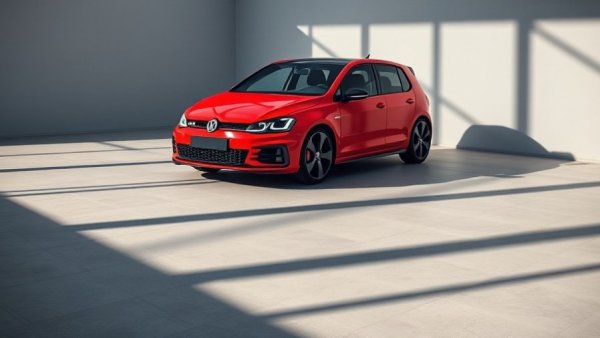
A Thrilling Revival for Enthusiasts
Volkswagen's recent unveiling at the Essen Motor Show has ignited excitement among automotive enthusiasts. The return of the six-speed manual transmission in the new Volkswagen Golf GTI 1976 not only commemorates the 50th anniversary of one of the most influential hot hatches but also signals a shift back toward driving engagement in an era where automatic transmissions have become pervasive. Enthusiasts are celebrating, raising the question: why did Volkswagen take the manual away in the first place?
A Limited-Edition Gem
With only 1,976 units available, the Golf GTI 1976 pays homage to the year the original GTI hit the market. Exclusively available in Europe, this special model features a numbered plaque, making it collectible for fans. The choice not to offer an automatic transmission reflects a commitment to purists who prefer the tactile engagement of a stick shift, a driving experience that many believe is becoming a rare luxury in today’s automotive landscape. Additionally, buyers can select from Pure White, Grenadilla Black Metallic, or Tornado Red, the latter resonating with GTI legacy. Each color represents a piece of history, echoing the emotions and memories of old-school GTI owners, reinforcing the model’s connection to its heritage.
A Powerhouse with a Manual Touch
The GTI 1976 is not just a nod to the past; it's a powerful vehicle equipped with a turbocharged 2.0-liter four-cylinder engine generating 321 horsepower and 280 lb-ft of torque. This output matches the GTI Edition 50 while surpassing the European GTI Clubsport by a notable margin. The decision to pair such a potent powertrain with a manual transmission rather than relegating it to a lower-spec version enhances the model's allure, promising an engaging driving experience. For enthusiasts who appreciate control and involvement behind the wheel, this combination is nothing short of thrilling.
Nostalgia Meets Performance Design
Visually, Volkswagen strikes a balance of classic and modern, focusing on subtle enhancements. Features include tasteful red accents, blacked-out emblems, and commemorative graphics that pay tribute to its storied past. The interior takes a bold turn with the return of the iconic golf ball shift knob—a cherished element for longtime fans and a feature that will undoubtedly spark nostalgia among drivers. In addition to this signature detail, other design highlights include exclusive sport seat upholstery, red seatbelts, and carbon-fiber accents that harken back to classic GTI models, providing a direct connection to its heritage while ensuring modern comfort. This blend of style and sentimentality is likely to resonate with both new customers and loyal GTI fans alike.
Enhanced Features for the Modern Era
Alongside its nostalgic elements, the GTI 1976 is outfitted with advanced performance technology. As standard equipment, it includes adaptive chassis control, an electronically controlled front differential lock, and progressive steering for enhanced handling. This tech-savvy approach ensures that while drivers can experience historical elements, they also benefit from the latest advancements in automotive engineering. Performance enthusiasts can opt for the GTI Performance Package, which offers lightweight forged wheels, an upgraded exhaust, and recalibrated suspension settings, effectively pushing the limits of what the manual GTI can achieve on winding roads. These options give drivers the chance to tailor their experience further, reflecting their own distinct preferences for handling and performance.
The Future of Manual Transmissions
The reintroduction of the manual Golf GTI invites a discussion about the future of manual transmissions in a market increasingly dominated by automatics. As consumers seek greater connectivity with their vehicles, this model could inspire a resurgence in interest toward manual sports cars. This revival may not only satisfy seasoned drivers but also attract a new generation curious about the joys of manual driving. As automakers streamline production to meet efficiency demands, Volkswagen's bold move could lead the way in changing the narrative around manual drivetrains, providing a fresh perspective on a driving experience many thought was on the decline.
Broader Impacts on the Automotive Industry
The significance of the Golf GTI 1976 extends beyond Volkswagen. This decision could resonate within the larger landscape of the automotive industry, especially as many manufacturers prioritize efficiency and advanced automatics over driving engagement. Volkswagen's commitment to manual transmissions might influence other brands, encouraging them to reconsider their shifts toward fully automatic offerings. As competitive pressure mounts in the market for electric and hybrid vehicles, this classic feel could affect consumer loyalty and market dynamics, potentially reshaping the strategies of automakers worldwide.
Implications for Car Enthusiasts
For car enthusiasts, the Golf GTI 1976 represents more than just another vehicle; it symbolizes a possible renaissance in manual driving culture. Enthusiasts often advocate for the joy and skill involved in operating a manual transmission, a sentiment that could gain traction as more automakers follow Volkswagen's lead. This model may motivate discussions surrounding the connection between driver, car, and road, emphasizing the importance of experience over efficiency. As the automotive landscape continues to evolve, so do the expectations of passionate drivers, many of whom will applaud Volkswagen for recognizing and catering to this desire.
Conclusion: In Closing
The Volkswagen Golf GTI 1976 is a testament to the brand's understanding of its core audience—those who crave engagement with their vehicles. By marrying nostalgia with modern performance, this special edition model does more than celebrate a milestone; it paves the way for potential changes in driving trends within the automotive industry. Car lovers and GTI aficionados should keep a close eye on this model, as it may mark the start of a new chapter in driver-focused automaking. With such a classic offering hitting the market, there’s every reason to believe that excitement surrounding manual vehicles could reignite interest and passion in the heart of the automotive community.






Write A Comment