


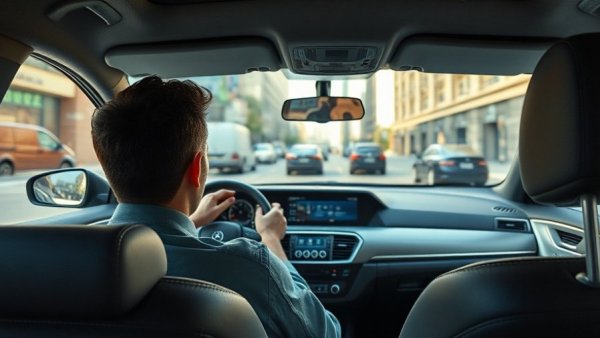
Exploring the Hidden Surveillance of Modern Vehicles
The rise of advanced driver-assistance systems (ADAS) has changed the landscape of vehicular technology, but it also raises significant privacy concerns. Take for instance a recent scenario involving BMW cars in Germany. If a pedestrian steps off a curb and a BMW comes to a sudden stop, the exterior cameras of the vehicle can capture up to two minutes of video, potentially including the pedestrian's face, and send it directly to BMW's servers. This happens without any advance notice to the pedestrian, highlighting a pressing issue: the consent gap in automotive surveillance.
Privacy and Consent in the Automotive Industry
BMW's practice showcases a broader trend within the automotive landscape where driver and passenger data are being collected through various sensors and cameras. While the car owner has agreed to this through the vehicle’s privacy settings, the average pedestrian is completely uninformed about how their image may be captured and used. This raises ethical concerns about privacy and accountability in automotive technology.
In contrast, Ford has publicly emphasized its commitment to privacy, stating it does not sell driving records to insurers or data brokers, which illustrates the varying practices of manufacturers. Both companies highlight the increased scrutiny the automotive industry is under regarding consumer data and privacy concerns.
Implications of Video Surveillance in Public Spaces
The transmission of video footage, especially in public spaces, raises questions about the balance between technological advancement and individual rights. While the capability for cars to assist drivers improves road safety and efficiency, it simultaneously risks infringing on the privacy of individuals who have no part in the vehicle's operation. The necessity for clear guidelines on data collection, usage, and sharing becomes essential as vehicles increasingly integrate these systems.
Technological Advancements vs. Consumer Privacy
In April 2026, legislation took effect in Europe that allows the collection and transmission of video clips through emergency events, highlighting a significant policy shift towards integrating intelligent transportation systems. As society progresses towards smarter cities, the imperative will be to ensure that these advancements do not overshadow essential privacy rights.
Moreover, BMW plans to introduce SAE Level 2 navigation-guided city functions in 2027, which will enhance the vehicle's capabilities in urban settings. Still, the question remains: how does the integration of such technologies affect pedestrian privacy? As vehicles evolve to be more autonomous and communicative, consumers must remain vigilant about how their data and the data of those around them are being used.
Legislative Responses and Industry Regulations
With increasing cases of data breaches and misuse of sensitive information across industries, the automotive sector is under pressure to offer more transparent and robust privacy policies. General Motors recently settled for $220 million over allegations it sold customer data without consent, a troubling precedent that can undermine consumer trust in the auto industry.
In this context, lawmakers and regulators are now faced with the challenge of establishing protective measures that not only govern how automotive companies handle customer data but also how they collect and protect data from non-drivers—a segment that has, until now, largely gone unrecognized in privacy discussions.
Future Trends: Balancing Innovation with Privacy
Looking forward, a key trend in the automotive industry will revolve around finding the sweet spot between technological progression and consumer protection. As automotive technology continues to integrate more complex systems that involve enhanced surveillance and data collection capabilities, both manufacturers and consumers should engage in proactive dialogues about privacy rights to shape a balanced future.
This evolving narrative implies that consumers will demand greater transparency and accountability from their automotive brands. Understanding data practices can empower consumers to make informed decisions regarding their buying choices, potentially steering them towards brands that prioritize privacy.
What Consumers Can Do
For consumers navigating this brave new world, knowledge is power. Familiarizing oneself with privacy settings and understanding the implications of car technology are critical steps in ensuring one's personal data remains protected. As vehicles only continue to grow smarter, automakers must recognize their responsibilities not just to their customers, but to the public at large.
If you're considering a new vehicle or technological upgrades that encompass these advanced features, review the privacy policies associated with these products as thoroughly as one would inspect their pricing and mechanics. Making #AutomotivePrivacy a focal point in your car-buying strategy can lead to safer and less invasive automotive experiences.
Being proactive and informed can bolster consumer power amidst growing concerns regarding privacy. Drivers should advocate for enhanced protections by voicing their concerns to manufacturers and policymakers alike to ensure their rights are safeguarded in this digital age.






Write A Comment