
Add Row
Add Element
cropper
update
AutoInsiders
update
Add Element
  • Home
  • Categories
    • insider tips
    • expert reviews
    • industry trends
    • automotive knowledge
    • car insights
    • vehicle advice
    • maintenance tips
    • buying guides
    • market analysis
    • performance reviews
October 08.2025
2 Minutes Read

Which 3-Row SUV is the Most Reliable? Grand Highlander, Pilot, or Palisade?

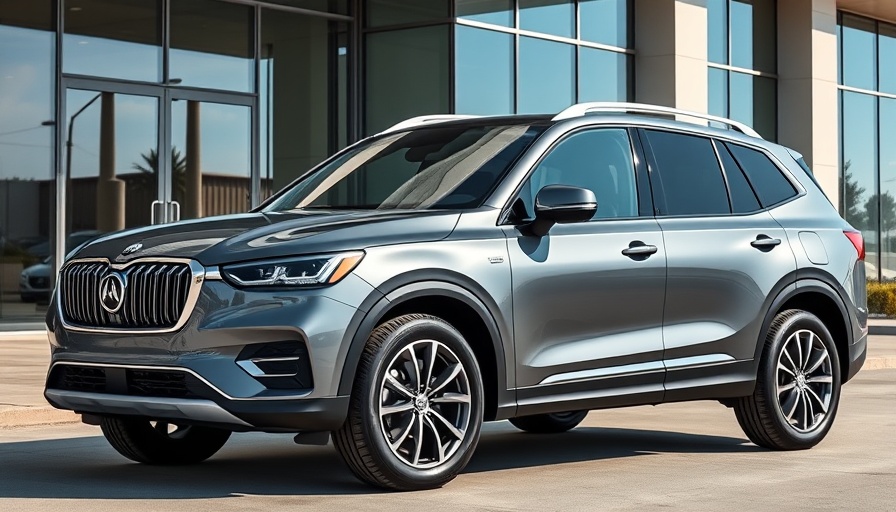
Most reliable 3-row SUV parked in front of a modern glass building.

Why Reliability is Crucial in 3-Row SUVs

When considering a 3-row SUV, reliability is often at the forefront of buyer concerns. Families depend on these vehicles for daily commutes, road trips, and everything in between, meaning that performance without constant repair visits is non-negotiable. A reliable SUV not only minimizes unexpected repair bills but also ensures the safety of all passengers. Reliability can also significantly affect resale value; vehicles noted for durability tend to retain their worth better than their less reliable counterparts. For families, this translates into peace of mind, knowing they’ve invested in a vehicle built to last.

The 2025 Toyota Grand Highlander: Longevity and Value

Toyota has a longstanding reputation for producing reliable vehicles, and the Grand Highlander exemplifies this legacy. As a bigger brother to the Highlander, it’s constructed on the foundation of Toyota’s durable engineering. Many Grand Highlander owners report driving their vehicles beyond 200,000 miles with minimum issues. Furthermore, Toyota vehicles typically maintain better resale values than competitors, making them a wise investment, especially for families planning to own their SUVs long-term. For those considering both longevity and efficiency, the Toyota Grand Highlander Hybrid stands out, combining fuel economy with 3-row practicality.

Honda Pilot: A Balanced Performer

The Honda Pilot has built a reputation as a versatile 3-row SUV, effectively balancing comfort, practicality, and reliability. Its engineering is designed for longevity, with numerous drivers reporting that their Pilots run seamlessly for over 150,000 miles. This level of dependability allows families to use their vehicles for various needs, from children’s school runs to long family vacations, without the looming anxiety of potential breakdowns.

Hyundai Palisade: A Worthy Contender

Last but not least is the Hyundai Palisade, which has rapidly made a name for itself in the 3-row SUV market. Known for its luxurious interiors and impressive technology features, the Palisade also ranks well in reliability. With good safety ratings and a range of modern infotainment systems, it exudes an aura of dependability while offering exciting options for families seeking both style and functionality.

Conclusion and Key Takeaways

In the quest to find the most reliable 3-row SUV, families are well-served by examining the Toyota Grand Highlander, Honda Pilot, and Hyundai Palisade. Each model offers unique strengths tailored to varying needs in safety, resale value, and fuel efficiency. With reliability at the core of their designs, they stand out as families consider their next investment.

In addition to the reliability each of these vehicles provides, the ongoing investment in technology and features means family trips could be more enjoyable than ever.

As your family grows, ensuring that your vehicle grows with you in dependability, comfort, and innovation is an essential aspect of the journey. Choose wisely, and you won't just buy a car; you'll invest in peace of mind and making memories that last.

buying guides

1 Views

0 Comments

Write A Comment

*
*
Please complete the captcha to submit your comment.
Related Posts All Posts
04.10.2026

Why Are Drivers Getting Worse? Exploring Road Safety Challenges Today

Update Are Drivers Really Getting Worse? A Deeper Look into Road Safety In a world where a casual drive can quickly become a high-stakes scenario, it's no wonder that many observers are asking: Does everyone suck at driving now? The alarming rise in road fatalities—from 32,719 deaths in 2013 to 42,939 in 2021—underscores a growing crisis on America's roadways. The prevalent sentiment echoes the concern that drivers are not only getting worse, but the pressures of modern life are exacerbating unsafe driving behaviors.In Does Everyone Suck at Driving Now?, the discussion dives into the alarming rise in traffic fatalities, exploring key insights that sparked deeper analysis on our end. Key Factors Behind Deteriorating Driving Conditions While some may point fingers at the elderly or inexperienced young drivers, statistics reveal that the middle demographic, often commuting daily for work, is at the heart of the issue. This group has a unique blend of experience and complacency, often developing harmful habits that go unchecked due to their extensive time behind the wheel. Stress, anxiety, and hurried lifestyles are commonplace, leading to a reduced focus on the road. The Gripping Reality of Impaired and Distracted Driving A significant concern in our modern landscape is the impact of impairment—both from alcohol and distractions such as smartphones. Impairment accounts for approximately 30% of all traffic fatalities. In 2023 alone, 12,400 deaths were attributed to alcohol-related incidents. Meanwhile, distracted driving was linked to 3,275 deaths, as individuals often succumb to the allure of multitasking during their drives. Modern vehicles, packed with technology and distractions, are culpable in fostering these dangerous behaviors. The Alarming Role of Speeding in Fatalities Speeding remains a notorious culprit on roadways, with 29% of all traffic fatalities associated with excessive speed. Surprisingly, during the pandemic—when roads were quieter—some drivers took advantage of this tranquility by increasing their speeds, further illustrating a troubling trend. It's not merely about speed limits; the very physics of driving change with modern vehicles being larger and heavier, resulting in more significant consequences in the event of a collision. The Psychology of Driving: Overestimating Abilities A compelling aspect of our driving culture is the propensity for individuals to inflate their driving abilities. The belief that they are proficient drivers does not align with reality, evidenced by the multitude of reckless behaviors observed on the roads. Studies reveal that a staggering 41% of accidents are attributed to driver recognition errors, a troubling statistic that reflects our diminished attention spans and focus. Innovative Solutions to a Perennial Problem The path to improving road safety may lie in re-evaluating how we train and assess drivers. Countries like Finland have embraced a more stringent driver education system that includes risk assessment and regular refresher courses. If implemented in the United States, such measures could foster a culture of safety among drivers. Additionally, insurance companies could invest in comprehensive driver education for new drivers, yielding long-term benefits for road safety and potentially lowering their own liability. A Bright Future? The Role of Automation and Infrastructure Improvement While self-driving cars present a tantalizing glimpse into a safer future, the reality is complicated. With an average cost of $150,000 for such technology, transitioning the entire fleet of vehicles in America is economically unfeasible. Public transportation improvements and infrastructure upgrades are essential as we navigate these challenges. The financial and logistical burdens are significant, but the potential to mitigate roadway fatalities is compelling enough to warrant immediate action. Conclusion: Taking Responsibility for Safer Roads The increase in fatalities over the years is a serious wake-up call. It's evident that drivers of all ages must cultivate better habits, embrace ongoing education, and prioritize road safety over convenience. What can you do? Stay aware, avoid distractions, respect speed limits, and remember—every decision behind the wheel counts. Road safety is a shared responsibility, and it starts with each driver. Understanding these issues is essential to fostering a safer driving environment for all.

04.09.2026

Mastering Vehicle Maintenance: Insights from Fixing a Range Rover Seat

Update Understanding Vehicle Maintenance: A Personal Journey In a recent video, the host presents a hands-on approach to fixing a friend’s Range Rover seat, showcasing both the personal and technical dimensions of automotive maintenance. Such DIY projects not only highlight personal connections but also emphasize the importance of understanding how vehicles operate. From upholstery repairs to understanding the electronics behind power seats, every little mishap can be a neat reminder of the constant care cars require.In 'Fixing My Friend's Range Rover Seat', the discussion dives into vehicle maintenance, exploring key insights that sparked deeper analysis on our end. The Significance of Regular Maintenance Maintaining a vehicle, especially luxurious ones like a Range Rover, is crucial in ensuring longevity and reliability. Understanding the intricacies of car ergonomics can prevent small problems from escalating into significant malfunctions. By regularly reviewing vehicle issues and solutions, drivers can save themselves from costly repairs down the line. Diving Into the Fix: Tools and Techniques Fixing a car seat isn’t as simple as it may seem. One must have the right tools, such as screwdrivers, wrenches, and sometimes, upholstery adhesive. Moreover, familiarity with your vehicle’s manual can be invaluable. It serves as a comprehensive guide, detailing every component and its functioning. This awareness enables a smoother fixing process and can build a sense of confidence in handling automotive tasks. Why It Matters: A Community of Enthusiasts This video exemplifies a broader community of car enthusiasts who share valuable insights and experiences. Understanding how to repair and maintain one’s vehicle often leads to a network of support and shared knowledge among car lovers. By diving into DIY repairs, owners can form bonds over shared experiences, fostering a sense of community that is ever-present in the automotive world. The Bigger Picture: Industry Trends and Consumer Awareness The automotive industry is continuously evolving, giving rise to essential consumer guides that assist potential buyers. For instance, those considering electric vehicles can benefit significantly from an electric vehicle buying guide, while first-time buyers can utilize a car buying guide for first-time buyers to make informed decisions. These guides help consumers navigate the complexities of selecting the right vehicle, from SUVs to sedans. Preparing for the Future: What to Expect in 2024 2024 promises to introduce a series of innovations within the automotive sector that every car buyer should be aware of. As we gear up for new models, understanding the best cars to buy in 2024 and prioritizing fuel efficiency can help maximize value in the market. Moreover, knowing how to negotiate car prices and navigating certified pre-owned versus used options can prove beneficial for those looking for the best deals. Beyond the Basics: What Every Buyer Should Know Understanding car reliability and safety ratings can significantly influence purchasing decisions. Tools like a car comparison tool can be incredibly beneficial in evaluating options. Additionally, recognizing that family needs dictate automotive choices — from needing a best family car in 2024 to understanding the best value cars under $30k — can help align personal requirements with market offerings. Conclusion: Empowering Yourself Through Knowledge As demonstrated through the video on fixing a Range Rover seat, vehicle maintenance and consumer awareness go hand in hand. Owners who take the initiative to learn about their cars become empowered, lending confidence in making informed decisions whether they are tackling minor repairs or major purchases. Embracing a culture of learning within automotive interests leads to safer, more reliable, and enjoyable driving experiences.

04.05.2026

The Automotive Industry Decoded: Essential Insights for Smart Buyers

Update Understanding the Current State of the Automotive Industry The automotive industry is often referred to as the "tip of the iceberg" when it comes to showcasing how vast and complex its dynamics are. While vehicles roll off assembly lines and hit the streets every day, there's much more happening behind the scenes that consumers need to understand. These activities include trends in electric vehicles, full production chains, and evolving consumer preferences.In 'Tip of the Iceberg', the discussion dives into the complexities of the automotive industry, exploring key insights that sparked deeper analysis on our end. Divide Between Electric and Traditional Vehicles: A Key Insight As we navigate 2024, the biggest transformation is clearly in the electric vehicle (EV) sector. This push towards electrification reflects not just a response to environmental needs but also a pivot in consumer expectations. Understanding which cars are leading the charge in this electric wave could significantly influence car buying decisions this year. A Comparison of the Top Automotive Industry Teams When discussing the top automotive industry players, it’s essential to highlight not just legacy manufacturers like Ford and General Motors but also newer entrants like Tesla and Rivian. Each brand offers unique features, from Tesla's autopilot capabilities to Ford's F-150 Lightning. An informed buyer should utilize car comparison tools to weigh these options carefully. As you decide on a purchase, consider the performance, reliability ratings, and the best family cars for the needs of your household. Guides to Make Car Buying Easier For first-time buyers, navigating the automotive landscape can be daunting. However, resources like a "car buying guide for first-time buyers" can empower individuals by demystifying the buying process. Additionally, utilizing a used car buying checklist ensures that any used vehicle purchase is scrutinized effectively. Important factors include vehicle history, mileage, and signs of wear, which can save buyers from costly mistakes. Understanding Price Negotiation Negotiating the purchase price is often a stress-inducing part of buying a car. Knowing how to negotiate car price is crucial. Buyers should enter the dealership armed with information about the average sale price for the make and model they are considering. Understanding price comparisons and valuing their current vehicle if trading in can set an individual apart in negotiations. Lease or Buy: The Dilemma The age-old question of whether one should lease or buy a car continues to perplex many. Understanding the pros and cons of each option allows buyers to make informed decisions that suit their personal financial situations. Leases may attract those who like new cars every few years without the long-term commitment, while outright purchasing provides ownership benefits. Best Value Cars Under $30k As we evaluate new releases, the hunt for the best value cars under $30k is more competitive than ever. Models such as the Honda Civic and Toyota Camry offer a blend of reliability, performance, and affordability. Furthermore, with fuel-efficient cars becoming a priority for practical buyers, assessing the fuel economy ratings of potential purchases can lead to long-term savings. Choosing SUVs and Family Vehicles For families, the focus shifts toward practicality and safety. The best family cars of 2024 prioritize space, safety ratings, and comfort for longer trips. SUVs have become increasingly popular due to their versatility, accommodating families, gear, and passengers while providing higher driving positions. A well-researched SUV buying guide for 2024 can help future buyers discern which models align with their families' needs and safety considerations. Luxury Cars: What to Consider For those looking to indulge in luxury, understanding the market's nuances can lead to smart investments. Luxury car buying tips can aid buyers in identifying what features genuinely enhance their driving experience compared to more economical options. Additionally, understanding the differences between certified pre-owned vs. used luxury vehicles can help buyers receive better deals without sacrificing quality. Final Thoughts As the automotive industry continues to evolve, knowledge is key to making the most informed car purchase. Whether you’re considering an electric vehicle, a family SUV, or a luxury ride, utilizing available resources and guides will give you the edge in today’s diverse automotive market.

Terms of Service

Privacy Policy

Core Modal Title

Sorry, no results found

You Might Find These Articles Interesting

T
Please Check Your Email
We Will Be Following Up Shortly
*
*
*