
Add Row
Add Element
cropper
update
AutoInsiders
update
Add Element
  • Home
  • Categories
    • insider tips
    • expert reviews
    • industry trends
    • automotive knowledge
    • car insights
    • vehicle advice
    • maintenance tips
    • buying guides
    • market analysis
    • performance reviews
July 29.2025
3 Minutes Read

Why Are Automakers Raising MSRPs This Summer? Key Insights for Savvy Shoppers

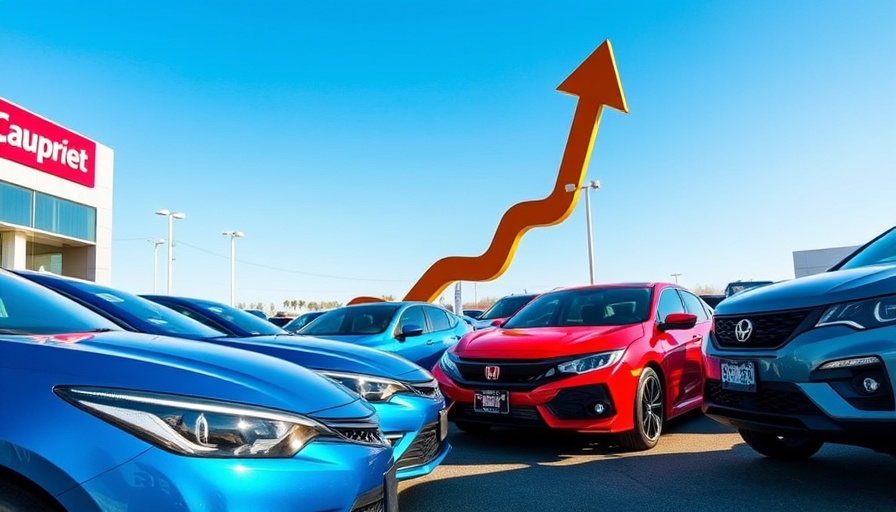
Automakers raising MSRPs this summer depicted with cars and upward arrow.

Understanding the Automotive Price Surge

As summer rolls in, a surprising trend is taking shape in the automotive industry: the increasing Manufacturer's Suggested Retail Price (MSRP) across a multitude of car brands. If you’ve recently found that your dream car’s sticker price has risen considerably, you’re not alone. Major automakers like Toyota, BMW, Honda, and even Tesla have recently made adjustments, with increases varying significantly across models and segments.

The Summer Hike: What’s Behind the Changes?

This summer, manufacturers have quietly raised prices by an average of several hundred dollars per vehicle. For instance, Toyota and Lexus saw modest increases of about $270 and $208, respectively. Honda increased prices for the Civic by 1.8%, while in the luxury segment, BMW and Mercedes-Benz applied increases around 1.9% across their core offerings. In some cases, the increases have been steep, such as a $5,000 hike in prices for Tesla’s Model S and Model X.

Economic Factors Driving Up Costs

Several economic forces underpin this trend. First, inflation has raised the cost of essential materials such as steel, aluminum, and semiconductors. As a result, automakers are faced with tighter profit margins, driving them to increase MSRPs to protect their bottom line. Wages in many sectors related to car manufacturing are also on the rise, further adding pressure to retail pricing.

Strategies of Incremental Updates

Additionally, automakers are clever in how they implement these price increases. Instead of full redesigns, manufacturers often choose to refresh existing models with minor upgrades—like infotainment enhancements or aesthetic tweaks—justifying a slight uptick in price. This method allows them to present a more attractive vehicle while contributing to the bottom line without a complete overhaul.

Market Competition's Role

The competitive landscape of the automotive industry plays a crucial role as well. Brands closely monitor one another regarding prices and offer incentives. If one manufacturer provides tantalizing zero-percent financing, for example, others may follow suit or risk losing market share. Conversely, if a company discovers an opportunity to raise prices due to high demand for a specialized model, it can capitalize on that without fear of losing sales.

Future Predictions: Navigating Your Purchase

For prospective buyers, the current landscape presents both challenges and opportunities. Understanding the variables at play allows you to approach the negotiation process with greater insight. Knowledge about what influences pricing can empower buyers to seek out deals even in a sea of rising costs. Timing your purchase during a model refresh or while inventory is ample can lead to significant savings.

Steps to Negotiate in the Current Market

In order to successfully navigate price hikes and ensure you're getting the best deal:

  • Research MSRP increases across different brands to put yourself in a strong negotiating position.
  • Consider used cars, which often present better value relative to new models experiencing pricing pressures.
  • Always inquire about financing options and promotions that may mitigate higher initial prices.

When to Reassess Your Vehicle Maintenance

If you’re investing in a new vehicle, consider the long-term costs associated with maintenance and upkeep, which can be just as important as the initial purchase price. Understand the car maintenance schedule for your new model, including how often to change oil, check transmission fluid, and replace air filters. Incorporating regular vehicle maintenance into your budget will ensure longevity and optimal performance of your investment.

A Call to Action for Savvy Consumers

In light of the price hikes, buyers must arm themselves with the knowledge necessary to make informed decisions. Whether it's seeking routine maintenance checklists or understanding brake pad replacement costs, prospective owners should prioritize educating themselves on various aspects of car ownership. By staying informed and proactive, you can navigate the evolving automotive landscape effectively.

maintenance tips

9 Views

0 Comments

Write A Comment

*
*
Please complete the captcha to submit your comment.
Related Posts All Posts
04.10.2026

Discover the Best Used Cars for Tall Drivers in 2026: Space & Comfort Await

Update Finding Space: The Importance of Roomy Vehicles When it comes to choosing the right vehicle, tall drivers often face a unique set of challenges. From cramped seating to limited legroom, the quest for comfort can be daunting. Fortunately, today's automotive market offers a range of options that cater specifically to the needs of larger drivers. In this article, we will explore the best used cars for tall drivers in 2026, emphasizing their roomy interiors and affordability. Whether you're searching for a reliable family car or a sporty ride, there's something for everyone. Top Choices for Tall Drivers Here are some of the best used cars tailored to provide comfort and space for taller individuals: Toyota RAV4: Known for its reliability and spacious cabin, the RAV4 offers ample headroom and legroom, making it an excellent choice for tall drivers. Honda CR-V: With its roomy interior and smooth handling, the CR-V stands out as a favorite among those who prioritize comfort during long drives. Ford Explorer: The Explorer provides a generous amount of space, allowing for easy entry and exit while maintaining a commanding view of the road. Chevrolet Tahoe: If you're looking for something larger, the Tahoe is perfect, offering a plethora of space without compromising performance. Subaru Outback: This crossover is loved for its versatility and comfort. Tall drivers will appreciate its spaciousness and perfect driving position. Why Space Matters for Tall Drivers Comfort is not just about stretching out; it's also about safety. Drivers who are cramped may have a restricted range of motion, which can lead to hazardous driving situations. An adequately sized vehicle allows for better control and a more enjoyable driving experience. This fact isn’t just a preference; it’s a necessity for tall drivers who require a proper fit to operate their vehicles safely. Tips for Maintaining Your Used Car Owning a car entails more than just purchasing it; regular maintenance is vital to ensure its longevity and reliability. Here are some essential car maintenance tips: Car Maintenance Schedule: Adhere to a car maintenance schedule to keep your vehicle running smoothly. Perform routine checks as recommended by the manufacturer. Vehicle Maintenance Checklist: Regularly inspect vital components, from brakes to engine fluids, to avoid unexpected issues. Change Oil Regularly: Knowing how often to change oil is crucial. Typically, every 5,000 to 7,500 miles is advisable depending on your oil type. Affordability in Today's Market With the rise of affordable used cars, tall drivers don’t have to break the bank to find a vehicle that suits their needs. Websites and local dealerships often provide extensive inventories filled with options at various price points. Always compare prices and features to find the best deal. Common Misconceptions About Used Cars There are several myths surrounding used cars that could deter buyers. Many believe that used cars are always unreliable or that they come with an unknown history. However, with thorough checks and the right research, buyers can find dependable vehicles that serve them well for years. Tools such as engine light diagnostics and vehicle history reports can illuminate potential issues, making sourcing quality used vehicles more straightforward. Preparing for Ownership Before you purchase any used vehicle, it’s wise to conduct a detailed inspection and even leverage professional services for things like brake pad replacement costs and general upkeep. Also, understanding costs related to a car tune up and regular maintenance like oil change intervals, can help in budgeting future expenses. Being informed allows buyers to make decisions and embrace the joy that comes with owning a car. Conclusion: The Quest for Comfort Continues The right vehicle makes all the difference, especially for tall drivers seeking comfort and safety. Now, with this information at your fingertips, you are better equipped to find a used car that meets your needs and fits your lifestyle.

04.09.2026

Discover the Best Used Commuter Cars for 2026: Efficient Choices

Update Why Choosing Used Commuter Cars Makes Sense in 2026 As we navigate through 2026, many drivers are increasingly focusing on practicality and budget when selecting their vehicle. Used commuter cars not only offer affordability but also provide efficiency, making them a desirable choice for urban dwellers and daily commuters alike. In light of rising fuel prices and the mounting importance of eco-friendly living, this trend is expected to continue to grow. Top Picks for Economical Used Commuter Cars With numerous options available in the market, we’ve evaluated some of the best-used commuter cars that strike a perfect balance between efficiency, comfort, and cost. Each of these vehicles stands out for its performance and reliability, making them ideal for those who commute regularly. Here’s a look at our top selections: Toyota Prius: Known for its exceptional fuel economy, the Prius remains a compact and eco-friendly choice that provides ample interior space. Its hybrid engine is easy on the wallet, and its reliable history means it’s a favorite among used car buyers. Honda Civic: Renowned for its reliability, the Civic combines performance with a smooth ride. A used Civic not only boasts a reputation for longevity but also offers fun driving dynamics. Hyundai Elantra: The Elantra offers a fantastic value with its modern design and comprehensive warranty. Its fuel-efficient engine makes it a great option for those looking for economical commuting solutions. Ford Focus: Sporting a sleek design and responsive handling, the Ford Focus often makes the commute enjoyable. The hatchback version provides additional cargo space, a boon for weekend warriors. Kia Forte: With a suite of tech features and a comfortable interior, the Forte is optimized for daily driving with an affordable price tag to match. Evaluating Specifications and Costs When considering a used commuter car, look beyond just the purchase price. Throughout your ownership experience, maintenance costs and fuel efficiency will significantly affect your budget. For example, understanding how often to change oil and following a routine car maintenance schedule can enhance your vehicle’s life and performance. A well-maintained used car can save you significant expenses in the long run. Another factor to think about is the brake pad replacement cost and engine light diagnostics. These often overlooked aspects can introduce unexpected expenses if not regularly monitored. It’s wise to stay proactive about simple checks such as the tire rotation schedule and how to check transmission fluid. The Human Aspect Choosing a commuter vehicle is not solely about numbers; it’s about improving your daily life. A dependable car can reduce the stress of commutes, leading to a better work-life balance. Think about how a formerly reliable friend can make your life easier during your busy days. Additionally, there’s a growing community passionate about vintage car restoration, and many find joy in taking a classic car and making it their own. This demographic often prioritizes not just utility but also connection and pride in ownership. Driving Forward: Tips for Newer Drivers For new drivers, understanding the logistics of vehicle ownership can be daunting. Familiarize yourself with a detailed vehicle maintenance checklist—know what to look for during inspections and which services are best left to professionals. Equipping yourself with knowledge like DIY car maintenance tips can also save money and boost your confidence as a car owner. Be prepared to ask questions about battery replacement, air filter replacement, and other standard upkeep tasks, while knowing when to consult reputable mechanics for services like auto body repair and restoration. Look Ahead: The Future of Commuter Cars As we look ahead, the landscape for commuter cars will likely continue evolving. Electric vehicles (EVs) are gaining traction, and while prices can be higher, the long-term savings in fuel and maintenance present a compelling argument. Understanding timing belt replacement intervals and the implications of long-term maintenance will play an essential role in this chapter of car ownership. Final Thoughts on Your Commuting Journey In summary, the right used commuter car can make a world of difference in your daily grind. Prioritize efficiency, reliability, and affordability by researching cars that align with both your budget and lifestyle. Remember: with the right knowledge and preparation, you can enjoy a smooth and stress-free ride for years to come.

04.09.2026

Discover the Harley Bagger with the Lowest Maintenance Costs: Essential Insights

Update The Hidden Costs of Owning a Harley Bagger Owning a Harley-Davidson bagger is often seen as a dream for motorcycle enthusiasts, blending performance with style. However, prospective buyers should consider the hidden long-term costs associated with maintenance, which can be more significant than the initial purchase price. Many riders focus on the upfront cost of their bike but may overlook the often slew of hidden maintenance expenses that arise after years of ownership. Why Maintenance Costs Matter To understand why maintenance costs play such a crucial role in Harley ownership, it’s essential to recognize what our experience has shown—most riders find out the hard way that cheap upfront costs can turn into expensive repair bills down the road. A bike may seem like a great deal, but the real test comes with the upkeep. Once the new bike smell has faded, how frequently it requires service, the complexity of those repairs, and the associated costs reveal whether it will be a burdensome expense. Factors that Affect Maintenance Costs Several factors contribute to the overall maintenance expenses of Harley baggers. Based on data from Harley technical documentation and hands-on mechanic experience, these can be categorized as follows: Service Simplicity: If basic maintenance tasks require extensive labor hours, costs can escalate quickly. Known Issues: Some models have specific issues that can lead to costly repairs if not addressed promptly. Parts Availability: Models with a broad parts ecosystem can see lower maintenance costs due to cheaper and more accessible components. For example, while the Twin Cam Road Glide offers impressive aftermarket support, issues such as cam chain tensioner wear can lead to repairs costing between $800 and $1,500 if not proactively managed. The Low-Maintenance Champion Among all Harley baggers, the Harley-Davidson Road King with the Evolution (EVO) engine is touted as the champion of low maintenance costs. This model, particularly from the mid-1990s, stands out for its reliability and straightforward parts access, minimizing the chances of unforeseen expenses. By focusing on a model that demonstrates consistent performance without teetering on major service events, buyers can enjoy their rides with greater peace of mind. Depreciation and Long-Term Ownership Costs Another aspect to consider is the depreciation rate of a Harley bagger. Unlike some makes and models that may retain their value over time, maintenance issues can cause significant depreciation, leading to a frustrating return on investment. Regular servicing can help maintain value over time, but it becomes increasingly evident that the absence of such care results in escalating depreciation while increasing maintenance costs. Embracing Ownership Ultimately, understanding the full scope of what it means to own a Harley bagger goes beyond the sticker price. For enthusiasts, the joy of riding can coexist with the financial realities of upkeep. Having a comprehensible breakdown of estimated costs, from oil changes and tire replacements to necessary repairs, can help guide your financial planning as a Harley owner. Rather than a burdensome cost, trained mechanics emphasize the advantages of community engagement and understanding your bike’s particular needs. Decisions That Can Save Money Recognizing factors like peak maintenance intervals and adjusting riding habits can bring substantial savings. If you’re spending regularly on upkeep for a particularly complex model, reconsidering your choice or enhancing your knowledge about the bike can greatly impact long-term satisfaction and costs. Plus, riders can consider the benefits presented by simpler models design aimed explicitly at lowering long-term maintenance costs. Investing in good quality maintenance tools and establishing a relationship with a local mechanic can ensure your Harley will provide a reliable service for years. For those considering a Harley bagger purchase, make sure to factor in the total ownership costs beyond what you pay at the dealership. Understanding the reliability and maintenance of the Harley bagger can save you money in the future and enhance your riding experience.

Terms of Service

Privacy Policy

Core Modal Title

Sorry, no results found

You Might Find These Articles Interesting

T
Please Check Your Email
We Will Be Following Up Shortly
*
*
*