
Add Row
Add Element
cropper
update
AutoInsiders
update
Add Element
  • Home
  • Categories
    • insider tips
    • expert reviews
    • industry trends
    • automotive knowledge
    • car insights
    • vehicle advice
    • maintenance tips
    • buying guides
    • market analysis
    • performance reviews
September 22.2025
3 Minutes Read

Why Jay Leno's Drive of the Mercedes-Benz 190 E Evo II Matters

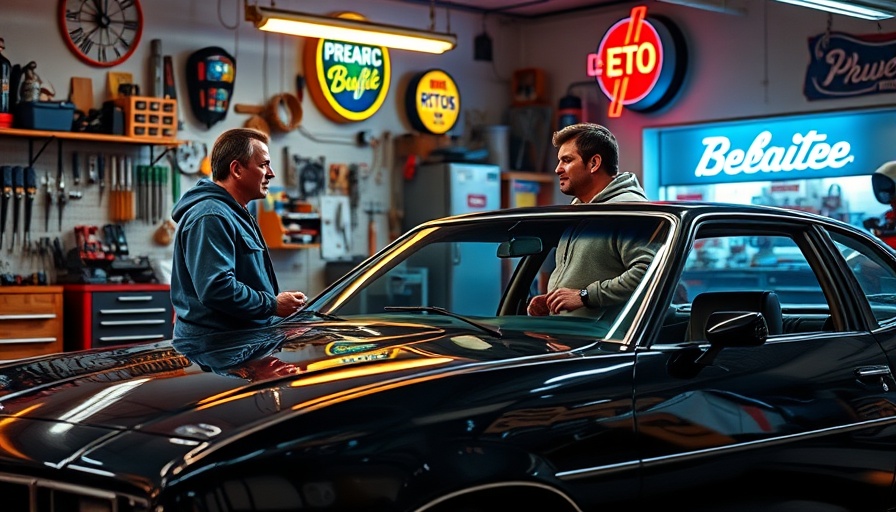
Car maintenance tips in a retro garage setting with 1990s black car.

The Mercedes-Benz 190 E Evo II: A Timeless Classic

The automotive world buzzed with excitement when Jay Leno finally got behind the wheel of the iconic Mercedes-Benz 190 E Evo II. This vehicle isn't just a car; it's a significant piece of automotive history that blends performance, style, and innovative engineering. Originally produced in the late 1980s, the 190 E Evo II is celebrated for its racing pedigree, designed to compete in the German Touring Car Championship.

In 'Jay Leno Finally Drives the Mercedes-Benz 190 E Evo II,' the discussion dives into the significance of classic vehicles, exploring key insights that sparked deeper analysis on our end.

Understanding Its Historic Significance

The Mercedes-Benz 190 E Evo II was significant for its time due to its focus on aerodynamics and handling. With a four-cylinder engine that boasted impressive power for its size, the car showcased Mercedes-Benz's commitment to performance and vehicle safety. Moreover, its lightweight design, aided by a rollback spoiler and unique styling, made it a force on the racetracks. This historical aspect underscores the vehicle's role as a benchmark for future sports sedans.

Driving Dynamics: A Blend of Power and Precision

During the drive on Jay Leno's Garage, Leno celebrated the driving experience as much as the vehicle's aesthetic appeal. Feedback from the steering and the feedback from the pavement offered a rare purity that many modern cars strive but often fail to achieve. The handling dynamics reflect a meticulous calibration that cannot be found in typical sedans today — a reminder of how automotive engineering has evolved while still respecting its roots.

Car Maintenance Tips from the Experts

Owning a classic vehicle like the 190 E Evo II comes with its fair share of responsible car maintenance tips. To ensure longevity and performance, enthusiasts should follow a detailed car maintenance checklist. Here are a few essential car care tips:

  • Regular Oil Changes: Keeping the engine lubricated is vital for performance. Regular oil changes and using high-quality oil ensure the engine runs smoothly.
  • Fluid Checks: Understanding how to check car fluids—including transmission fluid, brake fluid, and coolant—is crucial for maintaining peak performance.
  • Tire Rotation Tips: To improve tire life and performance, regular rotation and checking tire pressure are necessary.
  • Brake and Engine Maintenance: Staying on top of brake maintenance and following a detailed engine maintenance guide will help prevent costly repairs.
  • Seasonal Maintenance Checklist: Cars require different maintenance in different seasons. A checklist can help manage this, ensuring that everything from windshield wiper fluid to coolant levels is tailored for the weather.

The Future of Classic Car Ownership

As we move towards an era dominated by electric vehicles, classic cars like the Mercedes-Benz 190 E Evo II shine brightly in their unique charm and performance. While new technologies emerge, classic vehicles provide emotional connections and experiences that many car enthusiasts cherish. Future predictions hint that classic cars will continue to rise in value as collectors seek unique pieces that stand out from mass-produced modern vehicles.

Why You Should Care About Car Maintenance

For many car owners, understanding vehicle maintenance means saving money and ensuring safety on the road. With practical insights into DIY car repair and how to maintain a car properly, even novice vehicle owners can grasp the basics. From understanding how to change an air filter to routine inspections of belts and hoses, informed owners can significantly extend their vehicles' lifespans.

Emotional Connection with Automotive Culture

The excitement that Jay Leno expresses when driving classic cars reflects a broader cultural appreciation for automotive history. These vehicles often evoke nostalgia and pride, serving as a bridge linking the past and the present. The experience of driving a car with such rich heritage offers a unique thrill — something that is often missing from today's more generic automotive landscape.

Final Thoughts: Join the Classic Car Community

The love for classic cars is as much about community and shared experiences as it is about the vehicles themselves. Whether you're a seasoned collector or a newcomer to the automotive world, engaging in discussions, attending car shows, and joining clubs can enhance your appreciation for these masterpieces.

maintenance tips

1 Views

0 Comments

Write A Comment

*
*
Related Posts All Posts
12.16.2025

Navigating New York Auction Bidding: Your Comprehensive Guide to Participation

Update Understanding New York's Auto Auction LandscapeBidding at auto auctions in New York can be a thrilling yet daunting experience for both new and seasoned buyers. Whether you're interested in clean-title vehicles or salvage titles, navigating the intricate rules surrounding New York's auction system is crucial for successful participation.Navigating the Licensing RequirementsTo dive into this competitive arena, first understand the licensing requirements. In New York, many salvage pools and wholesale auctions restrict direct bidding to licensed automotive dealers and dismantlers. This means that if you're an individual buyer without a license, your options may be limited. Dealers must provide credentials such as a dealer license, dismantler authorization, or wholesale buying credentials. These regulations are designed to protect buyers and ensure that vehicles sold through auctions meet certain safety and registration standards.Public Auctions: Open to All?On the flip side, there are public auctions that allow individuals to participate without the need for any automotive business license. These include government sales, impound auctions, and surplus sales. It's essential to know which auctions are accessible to you, as these events often feature vehicles at attractive prices. However, be prepared for unique bidding and payment rules, typically requiring cash or certified funds.Salvage Titles and Rebuilt ProceduresIf you’re considering bidding on salvage vehicles, understanding the salvage title process in New York is imperative. Buying such a vehicle often requires obtaining a Salvage Certificate—also known as MV-907A—which confirms that the vehicle was declared a total loss by an insurance company. Post-purchase, owners must navigate through compliance, including an examination by the Department of Motor Vehicles (DMV) before converting the salvage title into a rebuilt one. This process entails verifying the vehicle's identity and ensuring that all major components were legally acquired.Knowing the Costs: Beyond the Bid PriceA common pitfall for auction buyers is focusing solely on the hammer price and neglecting additional costs that may arise. Beyond the initial bid, expenses can include auction fees, towing and transport charges, repair costs, and the fees associated with salvage examinations. For instance, if a vehicle's bid price is $3,500, the total project cost could balloon to more than $7,000 when you factor in other required expenditures. It’s vital to evaluate your budget comprehensively to avoid unexpected financial strain.Real-Life Considerations Before BiddingStrategizing for the bidding process is key to ensuring a successful purchase. Start by confirming the auction type and verify whether it's public or dealer-only. Additionally, checking the title status of vehicles you're interested in will guide you on their registration viability. Knowing whether a vehicle has a salvage, rebuilt, or parts-only title will help set realistic expectations regarding repairs and reselling potential.Common Myths and MisconceptionsMany prospective bidders may harbor misconceptions about salvage vehicles, believing that all salvage titles translate to poor-quality vehicles. However, this myth overlooks the nuances of the salvage market. Some vehicles may be salvage titled due to minor cosmetic damage rather than significant mechanical failures. Hence, due diligence is vital. Always seek available damage disclosures and inspection reports, knowing that vehicles can be restored successfully with the right expertise and care.Achieving Successful Bidding OutcomesUltimately, success in New York's auto auctions hinges on informed decision-making. Beyond simply being prepared on auction day, it involves understanding the landscape, accounting for various costs, and verifying everything from licenses to title statuses. With due diligence, navigating this exhilarating auction landscape can lead to great opportunities for practical transportation, restoration projects, and even potential profit.

12.16.2025

Discover the Turbocharged Power of the 1974 BMW 2002: A True Performance Classic

Update The Turbocharged BMW 2002: A Legacy of Power and Customization The BMW 2002 has long been celebrated as a classic, and in Jay Leno's Garage, this appreciation is taken to new heights with a stunning turbocharged modification. The episode features Mano Aguila, a true maestro of BMW restorations, showcasing his 1974 BMW 2002 that has been transformed into a powerhouse of 600 horsepower.In '600 HP BMW 2002: This M3 Engine Swap is Pure Turbo Madness,' the episode dives into the world of car modifications and performance upgrades, exploring key insights that sparked deeper analysis on our end. From Classic to Challenger: The Transformation Process The transformation process of the BMW 2002 is not just a simple upgrade; it's a meticulous journey from an automatic to a manual powerhouse. Aguila begins by acquiring older automatic models, optimizing the chassis for performance enhancements, and pushing the engine back for weight distribution that ensures better handling. His choice to stick with existing BMW parts makes it easy for owners to find replacements—an essential element for the longevity of such custom builds. Under the Hood: The Heart of the Modification Equipped with an S52 engine from the E36 M3, this modified car showcases how passionate craftsmanship leads to exceptional performance. The oilless turbocharger—crafted by Competition Engineering—offers the beauty of simplicity alongside immense power, with Aguila tuning the car for an incredible 600 horsepower on E85 fuel. This reinforces a growing trend in automotive circles: the balance of performance and maintainability, aiming for maximum thrills without overcomplicating repairs. The Balancing Act: Power and Control While this BMW may look cute from the outside, it's engineered to deliver hair-raising performance. Notably, Aguila's emphasis on structural integrity and control through adjustable parts, like reinforced control arms and upgraded brakes, provides assurance that such power can indeed be tamed. Understanding torque as the driving force behind thrilling acceleration, Aguila's build ensures that the rider engages with the road, not just the speed. Cultivating Skills and Community Through Car Culture Beyond mechanical modifications, Aguila’s work is generative for the community. His workshops incorporate mentoring and teaching young aspirants about automotive crafts, giving them not just skills but also purpose. Through this nurturing process, he not only maintains a car but adjusts the trajectory of young lives, making this venture meaningful on multiple levels. Practical Car Maintenance: Keeping Your 2002 Turbo in Top Shape For car enthusiasts looking to maintain their performance rides, including those modified like Aguila’s BMW 2002, proper vehicle maintenance can't be overlooked. Here’s a simple checklist for ensuring longevity and peak performance: Regular Oil Changes: Keeping engine oil fresh is crucial to the engine's performance and longevity. Aim to change oil every 5,000 miles or as recommended by your specific engine requirements. Fluids Inspection: Regularly check essential fluids including brake fluid, coolant, and transmission fluid to ensure optimal performance. Brake Maintenance: Inspect your brake pads and rotors regularly, particularly in performance vehicles to prevent failure under stress. Tire Rotation: Rotate tires every 6,000 to 8,000 miles to promote even wear and improve handling. Filter Changes: Regularly changing air and fuel filters not only prolongs engine life but ensures it breathes easily and runs efficiently. Seasonal Checklist: Before winter or summer, check the battery, wipers, and tire tread depth to ensure the readiness of the vehicle for different conditions. Conclusion: Empower Your Automotive Journey The 600 HP BMW 2002 presented by Jay Leno is not merely a showcase of modifications, but a testament to the rich culture of car enthusiasts who invest passion, time, and talent into their creations. Whether you are a seasoned car aficionado or just starting your automotive journey, understanding performance upgrades and regular maintenance can bring you closer to driving your dream vehicle. Dive into your own modifications, and explore the world of automotive possibilities!

12.14.2025

Understanding Transmission Replacement Costs for a 2015 Toyota Camry

Update How Much Does a Transmission Replacement Really Cost? As the 2015 Toyota Camry ages, drivers may find themselves grappling with a critical decision: should I replace the transmission or seek a new vehicle? The harsh reality is that replacing an automatic transmission could set you back approximately $4,300 for the part alone. If you factor in labor, the total cost can soar to around $7,109, making it one of the most significant expenses in maintaining this vehicle. With parts priced at $4,272 from a dealer or around $3,517 at AutoZone, the financial implications of a failing transmission cannot be ignored. The Importance of Regular Maintenance For drivers, proactive maintenance is key. A transmission can endure for hundreds of thousands of miles, but this longevity hinges on adherence to regular fluid changes and proper care. Without these, the torque converters and other vital components can fail, leading to costly repairs. According to vehicle maintenance experts, the average annual maintenance cost for a 2015 Camry is $378. Therefore, investing in routine maintenance can mitigate the risk of extensive repair expenses in the long run. Understanding Vehicle Value vs. Repair Cost When considering a costly transmission replacement, it's crucial to assess the current value of your car. The 2015 Camry is currently valued between $11,466 to $16,053 based on its condition and mileage. For drivers facing a high replacement expense, evaluating whether the investment aligns with the vehicle's worth can provide valuable insights. If the replacement cost approaches or exceeds the car's value, it may be wise to seek a new vehicle instead. The Bigger Picture: What Each Owner Should Know The 2015 Toyota Camry has received mixed feedback from owners, with a reliability score of 8.7/10 leaving some room for improvement. Notably, it boasts a 32.2% chance of reaching 200,000 miles. Understanding these statistics can help potential buyers gauge the longevity of their investment. For those considering purchasing a ten-year-old Camry, awareness of maintenance issues, like transmission replacement, can prove invaluable. Future Trends for Reliability and Cost As the automotive industry pivots towards hybrids and electric vehicles, understanding the future landscape of car reliability is crucial. Newer models typically incorporate advanced technology that enhances durability and reduces maintenance costs. For instance, some hybrid models show a greater engineering focus on efficiency and durability, which might be more economical in the long run compared to their traditional counterparts. Conclusion: Making Informed Choices for Vehicle Ownership With the looming costs of transmission replacement on a 2015 Toyota Camry, drivers must navigate their options carefully. Maintenance offers a proactive approach to extending the life of your vehicle while reducing unexpected expenses. For aspiring car buyers, weighing the costs against value requires diligence and foresight. Ultimately, staying informed about vehicle performance and market trends can guide your next steps, ensuring you make the best choice for your needs.

Terms of Service

Privacy Policy

Core Modal Title

Sorry, no results found

You Might Find These Articles Interesting

T
Please Check Your Email
We Will Be Following Up Shortly
*
*
*