


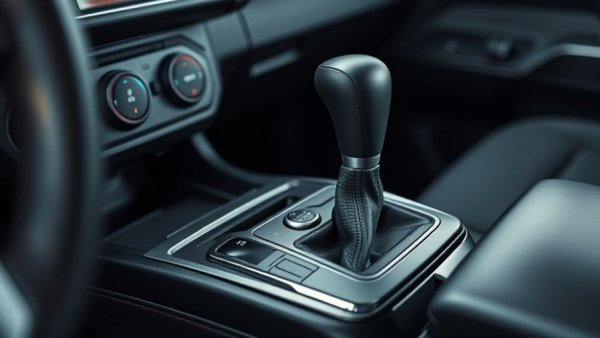
The Last Stand of Manual Transmissions in Pickup Trucks
This week, Toyota made a significant announcement for truck enthusiasts: the 2027 Tacoma will stand as the only new pickup truck sold in America with an available manual transmission. Following the discontinuation of the manual option for the Jeep Gladiator, the Tacoma's announcement marks it as a historical relic in a market that has largely embraced automatic transmissions due to their efficiency and performance advantages. The growing preference for automatic systems reflects not only changing consumer desires but also a broader industry shift toward enhancing user convenience and maximizing fuel economy.
Manual Options: What Buyers Can Expect
The manual transmission is exclusive to three specific Tacoma trims—SR, TRD Sport, and TRD Off-Road—paired only with a Double Cab body, 4WD, and a 5-foot bed. Prices start around $39,150, making it a tempting option for buyers who enjoy the sensation of traditional driving. While this sort of enthusiast gear-shifting adds a personal touch to the driving experience, it does come with compromises in terms of speed and fuel efficiency. As potential buyers explore these options, they should be aware that while the manual provides an engaging driving experience, it also aligns closely with a growing desire for customization and personal expression in vehicle ownership.
Performance vs. Preference: The Trade-offs
For those seeking raw power, the manual Tacoma’s performance boasts 270 horsepower coupled with 310 lb-ft of torque. However, even with this bump in power, the manual version does not provide quicker acceleration—a manual version reaches 60 mph in over 7 seconds compared to the 6.5 seconds of its automatic counterpart. A slight hit on fuel economy also occurs, with the manual delivering 18 mpg in the city and 23 on the highway versus the automatic’s slightly better metrics of 19 mpg in the city and 24 on the highway. This disparity illustrates the trade-offs that manual proponents must consider, weighing the joy of control against practicalities such as everyday usability and fuel expenses.
Why Manual? The Target Audience
Toyota's decision to preserve the manual option seems targeted at a niche audience: contractors and off-road enthusiasts who appreciate the tactile control offered by a manual gearbox. The act of shifting gears manually can create a more connected driving experience, particularly appealing for those who frequently navigate rugged terrains or require precise handling. As automations and hybrids proliferate in the automotive landscape, this focus on a traditional manual transmission indicates a strong emphasis on a driver-centric approach. With emissions regulations tightening and a significant shift towards sustainability, the 2027 Tacoma may become a relic of a bygone era of pickup trucks. However, for the dedicated purists, it's a powerful statement of maintaining heritage in the face of technological advancement.
Fuel Efficiency and Performance Insights
The traditionalist's manual transmission may provide some drivers with an exhilarating experience, yet it lacks the modern efficiency promised by automatic systems. The challenges of maintaining a manual transmission within a landscape increasingly skewed toward hybrids and electric vehicles illustrate a broader trend toward prioritizing sustainability and fuel efficiency in truck design. In today’s competitive market, trucks are straddled between heritage and innovation—this intersection will dictate marketing and sales approaches as consumer preferences shift towards hybrid and electric fuel alternatives. Additionally, as the industry continues to evolve, manufacturers face pressure to create more eco-friendly models, which could over time make manual options seem less feasible.
What Lies Ahead for Manual Transmissions?
It begs the question: is this manual Tacoma the last of its kind? Major brands like Ford and Chevrolet moved away from offering manual options years ago, indicating a larger, market-wide shift towards automated systems. As technologies improve, it’s becoming more difficult for manuals to justify their existence in a space where speed and efficiency often take precedence. The departure of competitors from the manual offering illustrates a clear trend and reflects the changing landscape of automotive culture, potentially marginalizing those who prefer the manual experience. Manufacturers may find themselves treading a fine line, balancing heritage against the promises of modern technology—a challenge that could redefine the future of pickups.
A Call for Action
If you're passionate about preserving the experience of driving a manual pickup, now is the time to explore the options available with the 2027 Tacoma. Engage with local dealerships, test drive this new offering, and experience for yourself whether this legend will remain a staple in your garage or just a memory of a fading automotive age. For truck enthusiasts who cherish the tactile feeling of shifting gears, this may be the last opportunity to experience a new manual pickup truck firsthand. In a marketplace increasingly dominated by hybrids and electrics, taking action not only supports this niche market but also preserves an essential piece of automotive history. As preferences shift, consider advocating for the values of driving engagement and direct control within the automotive community, while also appreciating the innovations that are forging the future of transportation.




Write A Comment