cropper
update
AutoInsiders
update
  • Home
  • Categories
    • insider tips
    • expert reviews
    • industry trends
    • automotive knowledge
    • car insights
    • vehicle advice
    • maintenance tips
    • buying guides
    • market analysis
    • performance reviews
November 12.2026
4 Minutes Read

Toyota's 2027 RAV4 Woodland: Off-Road Features and Performance Boost

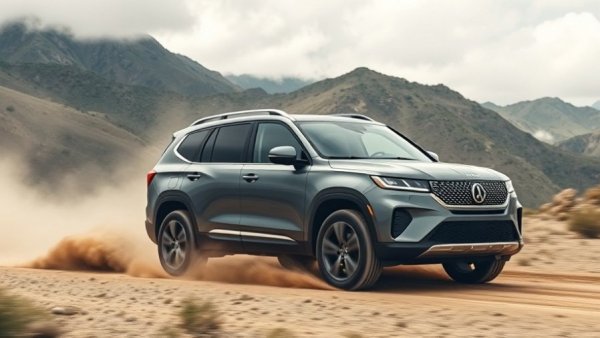
2027 RAV4 Woodland upgrades showcase on rugged trail.

Toyota Transforms 2027 RAV4 Woodland into a True Off-Road Contender

Toyota has officially confirmed a significant upgrade for the 2027 RAV4 Woodland, going beyond cosmetic enhancements to deliver a genuine off-road experience. For years, drivers have enjoyed the Woodland's aesthetic appeal, characterized by stylish black badging and robust roof racks designed for adventure enthusiasts. However, starting with the 2027 model, functionality will finally accompany form, placing the RAV4 Woodland on par with competitors in the segment, like the Subaru Forester Wilderness.

Enhanced Suspension for Off-Road Performance

The centerpiece of this transformation is a newly engineered suspension system that features updated springs, shocks, and jounce bumpers. These changes have increased ground clearance from 8.5 inches to an impressive 9.1 inches, facilitating better performance on rugged terrains. Such upgrades are not simply minor adjustments; they genuinely enhance the vehicle's ability to tackle challenging landscapes. Drivers can now expect a smoother ride when navigating through rough paths, ensuring that the RAV4 Woodland can handle more than just the city streets. Importantly, this enhancement pushes the Woodland trim into a higher caliber of off-road readiness, akin to more established names in outdoor adventure vehicles.

New Multi-Terrain Select Feature

Accompanying the suspension enhancements is the introduction of a more sophisticated Multi-Terrain Select system. Replacing the basic Trail mode, this feature offers dedicated settings for different driving conditions, including Rock & Dirt and Mud & Sand. The shift toward more customizable driving dynamics empowers owners to fine-tune their vehicles according to the terrain they encounter, whether traversing rocky landscapes or deep, muddy trails. Snow mode has also been upgraded to enhance performance during winter conditions, which is especially beneficial for drivers in regions subject to harsh weather. This versatility underlines the RAV4 Woodland's commitment to embracing all-season capabilities, making it not just an off-road vehicle but also a reliable choice for various driving environments.

Advancements in Hybrid Technology

Along with the mechanical upgrades sweetening the deal, all 2027 RAV4 PHEV models are set to feature a new NACS charging port, reducing concerns about charging efficiency. This allows for faster charging capabilities—an essential factor for hybrid users who value convenience as they venture off-road. Furthermore, the Woodland will retain its robust hybrid engine, which brilliantly combines a 2.5-liter four-cylinder engine with electric capabilities, yielding an impressive estimated 321 horsepower while keeping emissions low. Consumers can also expect excellent fuel efficiency ratings, making it an outstanding choice for eco-conscious buyers. Reports suggest that the RAV4 Woodland will achieve around 38 mpg city, 35 mpg highway, and 37 mpg combined, ensuring a balanced approach between power and efficiency.

The Shift in Focus: From Style to Substance

As the automotive industry evolves, brands like Toyota are understanding that off-road drivers desire more than just rugged looks. The 2027 RAV4 Woodland represents a significant shift as it blends aesthetic appeal with advanced engineering and performance capabilities. This transition speaks to a broader consumer demand for vehicles that are not only stylish but also genuinely functional. Hardcore off-road enthusiasts are likely to appreciate these new features, as they reflect an understanding that durability and performance are paramount, especially when venturing onto unpaved paths.

Additionally, this trend of enhancing off-road capabilities while maintaining an eco-friendly stance could influence other automakers in the industry. (Consider the recent push by various brands to develop more sustainable models that do not compromise performance.) In this regard, the RAV4 Woodland stands as a trailblazer, showcasing how manufacturers can create vehicles that authentically resonate with adventurous lifestyles while respecting environmental considerations.

Future Predictions: What to Expect for Off-Road Enthusiasts

The changes in the RAV4 Woodland might hint at larger trends affecting SUV and hybrid markets. As consumers increasingly lean towards vehicles that meet a diverse range of driving needs, automakers will likely have no choice but to adapt. This trend might prompt further advancements in suspension technology, hybrid efficiency, and multi-terrain functionality across automotive segments. Future models could integrate even more dedicated off-road features, making it essential for brands to enhance their offerings continually.

For the driving community, this evolution also translates into a broader availability of options that appeal to both casual drivers and serious off-roaders. As enthusiasts look for versatile SUVs that can handle everything from daily commutes to weekend getaways into the wilderness, the market may continue to expand with models that boast improved performance metrics, advanced terrain settings, and faster charging capacities.

Conclusion: The Importance of Mechanical Reliability

The 2027 RAV4 Woodland is poised to redefine standards for hybrid SUVs, merging the need for performance with environmental consciousness. As drivers have more choices and information at their fingertips—through vehicle comparison tools and real-world MPG reviews—they will demand both efficiency and capability. Brands must now prioritize how they build their vehicles, ensuring they meet and exceed the expectations of a diverse consumer base. Consumers are increasingly educated about the vehicles they consider, making transparency and reliability crucial factors in their purchasing decisions. Stay tuned as we follow this innovative shift in the automotive industry, where mechanical reliability and off-road readiness will lead the charge into the future.
automotive knowledge

1 Views

0 Comments

Write A Comment

*
*
Please complete the captcha to submit your comment.
Related Posts All Posts
11.12.2026

2028 Honda CR-V Exclusively Hybrid: What Consumers Should Know

Update The 2028 Honda CR-V: Revolutionizing the SUV LandscapeThe automotive world is buzzing with excitement as Honda announces that the 2028 CR-V will feature a 100% hybrid powertrain. This decision marks a significant turning point for one of America's best-selling SUVs, transitioning completely away from gas-only options. As Honda rolls out this hybrid-exclusive model, this move not only reflects changing consumer preferences but also aligns with the industry's broader shift towards fuel-efficient and environmentally friendly vehicles. The seventh-generation CR-V, set to launch next year, introduces a new platform and an upgraded powertrain that underscores Honda’s commitment to hybrid technology. A Hybrid System Designed for PerformanceThe upcoming CR-V will debut Honda's fifth-generation two-motor hybrid system, promising a boost in fuel economy of over 10% compared to its predecessors. This efficiency improvement is partly achieved through a wider operational range for the gas engine, ensuring it runs at peak efficiency for longer periods. Notably, the new CR-V will also integrate a cutting-edge electric all-wheel-drive (AWD) unit, enhancing traction and stability under various driving conditions—a significant upgrade for those navigating slippery roads. Furthermore, the new powertrain is expected to provide a more responsive driving experience, making it more engaging for drivers who value both performance and efficiency in their vehicles. Consumer Demand Drives Hybrid PushIn recent years, sales data has painted a compelling picture of shifting consumer priorities. Honda reports that hybrid CR-V sales have skyrocketed nearly tenfold since the model's introduction in 2020, now accounting for nearly 30% of all Honda sales. With the current sales trajectory on pace to exceed 400,000 units for the third consecutive year, it's evident that the traditional combustion engine model is being overshadowed by hybrids as consumers lean toward more sustainable options. This growth in demand for hybrid vehicles reflects a broader societal trend as individuals become increasingly aware of their carbon footprint and seek alternatives that align with eco-friendly practices. Building the Future in North AmericaThe hybrid system for the 2028 CR-V will be manufactured at Honda’s Transmission Plant in Ohio, which is undergoing retooling to increase its production capacity by an impressive 250%. Additionally, the Anna Engine Plant will implement new lines for an advanced 4-cylinder Atkinson-cycle engine. This strategic move ensures that Honda can meet rising demand and solidify its footprint in the North American hybrid vehicle segment, especially as the CR-V moves towards its 30th anniversary in 2027. By investing in its domestic manufacturing capabilities, Honda aims to enhance job security in the region while paving the way for technological advancements and potential export opportunities in the hybrid market. The Broader Impact of Transitioning to Hybrid VehiclesThis bold shift towards a fully hybrid CR-V speaks to a larger trend within the automotive industry, where manufacturers are increasingly focusing on sustainability. Both consumers and manufacturers are embracing hybrid technology not only for its environmental benefits but also for improved fuel efficiency and performance. As consumers become more educated about the advantages of hybrid vehicles—including lower emissions, enhanced gas mileage, and potential savings on fuel costs—the CR-V's transformation could inspire a wave of similar changes across different automotive brands. Ultimately, these trends contribute to the industry's collective goal of reducing greenhouse gas emissions and mitigating climate change, making hybrid vehicles a vital part of the conversation about the future of transportation. What This Means for the Automotive LandscapeWith Honda’s unwavering commitment to hybrids, the 2028 CR-V is poised to set a new standard in the SUV market. This move may very well influence competitors to rethink their strategies regarding hybrid technology, effectively accelerating the industry's transition to more sustainable practices. As other manufacturers observe Honda's success within the hybrid sector, they may be prompted to enhance their own hybrid offerings or even pivot to fully electric options sooner than anticipated. Moreover, the next-generation CR-V, with its innovative features and eco-friendly focus, will undoubtedly be a benchmark for future automotive designs across the globe, shaping how other companies approach vehicle design and energy efficiency in the years to come. Wrap-up: Key Takeaways for ConsumersFor potential buyers, the 2028 Honda CR-V represents not just an upgrade in features but also an opportunity to invest in a vehicle aligned with the future of automotive travel. Whether you're drawn to the car's improved fuel economy, advanced technology, or its environmentally friendly approach, the all-hybrid CR-V is set to stand out in the crowded SUV market. Understanding the implications of this shift towards hybrid vehicles can empower consumers to make informed decisions about their next purchase. Additionally, as more automotive innovations emerge, staying informed can facilitate smarter choices in transportation, ensuring that families and individuals alike contribute to a more sustainable future while enjoying the performance and practicality of an SUV designed for today's world.

11.12.2026

Lucid Motors’ Affordable Cosmos SUV: What to Expect by 2027

Update Lucid Motors' Ambitious Venture into the Midsize SUV Market Lucid Motors is set to make a significant impact in the electric vehicle (EV) sector with the upcoming launch of its mid-range Cosmos SUV. Traditionally known for its luxury models, the manufacturer aims to broaden its appeal beyond affluent consumers seeking high-end sedans like the Air and Gravity. By offering the Cosmos at a price point below $50,000, Lucid hopes to attract a more diverse audience and compete vigorously against established players like the Tesla Model Y and the Rivian R2. This strategic move is timely, as the EV market is rapidly evolving and expanding, with an increased emphasis on affordability and accessibility for the average consumer. Expected Features and Performance Metrics The latest teaser from Lucid highlights innovative design elements and performance features that could set the Cosmos apart from its competitors. The Cosmos is expected to feature a sleek exterior that retains Lucid's hallmark sophisticated design ethos—characterized by smooth contours, an aerodynamic profile, and captivating lighting designs. Observers are particularly impressed by the vehicle's distinctive slim lighting arrangement and the illuminated branding on the rear, giving it a contemporary and stylish look. The company's new midsize EV architecture promises an estimated driving range of around 300 miles from a reasonably sized 69-kWh battery pack, which is encouraging news for potential buyers who prioritize travel range. Alongside this impressive range, the expected energy efficiency of approximately 4.5 miles per kilowatt-hour would position the Cosmos among the most competitive midsize SUVs in the burgeoning EV market. This efficiency allows consumers to enjoy longer journeys without the constant worry of charging stops. The charging capabilities are also noteworthy, with reports indicating that the Cosmos could potentially add 200 miles of range in just 14 minutes. This kind of rapid charging performance could be a game-changer for long-distance travel enthusiasts and daily commuters alike, making the vehicle not only practical for city driving but also suitable for adventurous road trips. As electric vehicle infrastructure continues to develop around the country, the Cosmos might appeal to a broader segment of the market, facilitating shifts in consumer behavior towards electric mobility. The Market Dynamics: Competing in a Crowded Space Lucid's shift towards affordability comes as the electric vehicle market continues to grow, set to become one of the largest automobile industries in the world. With major competitors prioritizing price and performance, the market is ripe for disruption. Tesla, Rivian, and other manufacturers have set a high bar, making it essential for Lucid to differentiate itself with unique selling propositions. The challenge, however, will be balancing quality and features with affordability in a sector where many brands continuously innovate. Lucid has long been recognized for its engineering excellence, particularly in battery technology and powertrains. If the company can successfully translate that expertise into their Cosmos SUV without inflating costs, it may secure a critical foothold in a challenging market. Affordable pricing paired with the promise of high performance could enable Lucid to attract environmentally-conscious consumers who are looking for a high-tech and luxurious yet reasonably priced electric vehicle. Challenges Ahead: Addressing Production Delays Despite the excitement surrounding the Cosmos, prospective buyers will have to wait as production has faced delays that push the anticipated launch date to late 2027. Initially projected to begin in 2026, the timeline has shifted due to the rigorous testing and prototype development needed to ensure quality and sustainability. This situation underscores the unpredictability within the automotive industry, where unforeseen challenges can disrupt even the most promising forecasts. Addressing these delays is critical for Lucid to maintain consumer interest and credibility, particularly in a market ripe with competitors ready to capture attention and market share. Delays in production could lead to consumer fatigue or the opportunity for rivals to present similar products. Therefore, effective communication with customers and consistent updates on the Cosmos’s development will be vital in preserving Lucid's brand image. Technological Savvy in the Electric Vehicle Landscape At the core of the Cosmos' appeal is its technological prowess. Highly efficient battery management systems, intelligent charging capabilities, and advanced safety features are just a few aspects that may set this SUV apart. The auto industry, while steeped in tradition, is shifting toward a technology-driven approach that emphasizes sustainability. The demand for eco-friendly options coupled with innovative technology means that the Cosmos has the potential to captivate tech-savvy consumers who are looking to embrace electric vehicles as their next purchase. Furthermore, Lucid's focus on performance does not overlook essential amenities that modern consumers expect. Features such as advanced driver-assistance systems, intuitive infotainment interfaces, and comfortable interior designs are increasingly becoming the norm. By integrating these aspects with sustainable technologies, the Cosmos can cater to a broad range of preferences and provide a premium experience that aligns with the aspirations of present-day buyers. The Future of Lucid Motors and the Automotive Industry As Lucid Motors prepares to launch the Cosmos, the automotive landscape will likely experience a transformative wave. The company’s commitment to blending cutting-edge technology with elegant design could signify a new trend for manufacturers aspiring to gain traction in the market. This evolution could reshape consumer expectations and lead to profound changes in how we think about electric vehicles. As we approach the release, it will be essential for potential buyers to stay informed about updates regarding pricing, features, and production timelines. With the promised price point and impressive specifications, anticipation for the Cosmos continues to build—offering a glimpse into an electrifying future for the automotive industry. Lucid’s entry into the affordable SUV segment signifies a shift that could pave the way for the wider acceptance of electric vehicles among the general populace, potentially transforming how consumers view and utilize automotive technologies.

11.12.2026

Why the Rimac Nevera's Production Ending Early Signals Shifts in Electric Autos

Update The Spectacular Rise and Unexpected Fall of Rimac Nevera The Rimac Nevera, an electric hypercar that redefined high-performance automotive standards, is set to halt production earlier than anticipated, concluding with just 71 units instead of the once-planned 150. While many may see this as a commercial failure, founder Mate Rimac offers a different perspective. He views the completion of the Nevera’s production as a successful leap into the future of electric vehicles and a substantial confirmation of Rimac's engineering prowess. This swift conclusion reflects not only the unyielding challenges of the hypercar market but also the evolving expectations of luxury car buyers today. Decoding the Performance of the Nevera Unveiled to the world with an astonishing 1,914 horsepower, the Nevera boasted thrilling statistics—0 to 60 mph in merely 1.85 seconds and a top speed of 258 mph. Such performance figures seemed more like science fiction just a few years ago when electric vehicles were often overlooked in the ultra-fast car segment. The Nevera’s impressive specifications allowed a smaller, relatively unknown manufacturer from Croatia to compete with giants in the automotive industry, capturing the attention and imagination of car enthusiasts worldwide. Its successor, the Nevera R, escalated the competition even further with an incredible 2,107 horsepower, managing a sprint to 60 mph in just 1.74 seconds. These groundbreaking numbers have not only captivated car enthusiasts but have also demonstrated Rimac's capability to disrupt the automotive industry, pushing boundaries further than ever considered possible for electric vehicles. The advancements seen in both the Nevera and its R variant represent a significant leap in technology, showcasing what is achievable through cutting-edge engineering. Market Realities and Consumer Expectations Despite the groundbreaking innovations and capabilities of the Nevera and Nevera R, the demand did not match the anticipated hype. The reality is, even with nearly 2,100 horsepower, many wealthy collectors remain attached to the visceral, emotional experience that combustion engines offer; a quality that electric motors, no matter how powerful, have yet to replicate. Sound and character play vital roles in the purchasing decisions of hypercar buyers, causing an apparent disconnect in consumer preferences. For many buyers, the roaring symphony of a V12 engine is difficult to trade for the silent surge of electric motors, regardless of their performance stats. The disconnect raises questions about the market's readiness for fully electric hypercars. While the Nevera embodies the latest in technological advances, it also reveals the challenges of shifting consumer mindsets in a tradition-rich industry. Enthusiasts and collectors often seek not just speed but an engaging driving experience—they yearn for the emotional connection and the storytelling that comes with a car's engine and mechanical intricacies. Into the Future: Rimac's Broader Vision Interestingly, Rimac's future appears to transcend just building hypercars. The company has successfully pivoted into becoming a leading technology supplier within the automotive sphere through Rimac Technology. By developing advanced battery systems, electric motors, and other high-performance components, Rimac is now integral to the manufacturing processes of several outside automotive brands. This shift illustrates a strategic foresight that positions the company beyond mere vehicle production. One notable venture is Rimac’s collaboration with Bugatti, leading to the creation of the Bugatti Tourbillon. Combining a powerful combustion engine with electric motors highlights a fascinating integration of traditional and modern technology—a differing philosophy from the fully electric Nevera. The Bugatti Tourbillon represents how established brands are now looking to integrate electric powertrains, signaling a potential synthesis of power and technology that could pave the way for a new era of hybrid hypercars. The Ripple Effect in the Automotive Industry The Nevera has demonstrated how electric technology can not only push the boundaries of vehicle performance but also reconfigure the automotive industry's competitive landscape. As traditional manufacturers explore electric mobility, the impact of Tesla and the likes of Rimac indicates a steep shift awaits in automotive design philosophy, with electric performance climbing to the forefront. Automakers are beginning to prioritize not just the environmental aspects of EVs but also their thrilling performance dimensions. This reflection of changing paradigms may attract a new generation of consumers who prioritize sustainability without compromising on exhilaration. Conclusion: A Legacy of Innovation While the Rimac Nevera may not meet its initial sales goals, its legacy as an engineering marvel is undeniable. It has paved the way for innovations that extend beyond its production days. Mate Rimac's forward-thinking approach serves as a beacon for future electric vehicle developments, reminding us that even when the numbers fall short, the impact of bold innovation is enduring. The lessons learned from the Nevera's journey could guide Rimac and its competitors towards crafting the next chapter in automotive history—one that intricately blends the thrill of speed with the promise of sustainable technology, ensuring that electric hypercars will remain a part of the conversation for years to come.

cropper
update
WorldPulse News
cropper
update

Write a small description of your business and the core features and benefits of your products.

  • update
  • update
  • update
  • update
  • update
  • update
  • update

COMPANY

  • Privacy Policy
  • Terms of Use
  • Advertise
  • Contact Us
  • Menu 5
  • Menu 6

408-903-0493

AVAILABLE FROM 8AM - 5PM

City, State

, ,

ABOUT US

Write a small description of your business and the core features and benefits of your products.

© 2026 CompanyName All Rights Reserved. Address . Contact Us . Terms of Service . Privacy Policy

Terms of Service

Privacy Policy

Core Modal Title

Sorry, no results found

You Might Find These Articles Interesting

T
Please Check Your Email
We Will Be Following Up Shortly
*
*
*