


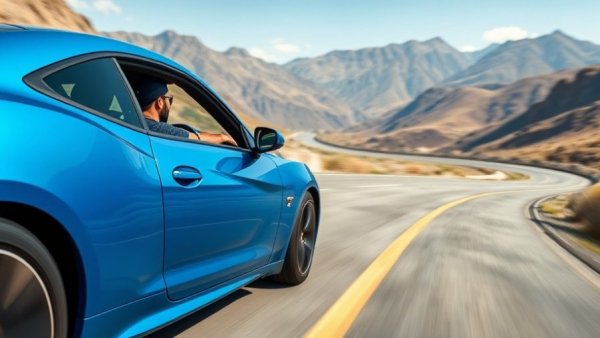
What Makes Muscle Cars Special? A Look Back
The allure of muscle cars comes from their raw power, affordability, and the sense of freedom they offer behind the wheel. In 1968, the Plymouth Road Runner epitomized this formula: a reliable V8 engine and a stripped-down design for just under $3,000. By today’s standards, that might translate to around $27,500, making the new Mustang GTD at over $318,000 and the latest Chargers feel more like luxury novelties rather than vehicles designed for a thrill ride. The nostalgia for the muscular, thrilling rides of the past resonates deeply with fans of these classic machines.
How Progress Has Changed Performance
Modern muscle cars boast extraordinary horsepower, with models like the Dodge Hellcat reaching an astounding 800 horsepower. However, this excessive power often overshadows the core driving experience that enthusiasts crave. While the Road Runner propelled drivers in 7.3 seconds from 0 to 60 mph, today’s models are hindered by weight and technology. The hefty modern Charger, weighing nearly 4,800 pounds, means that high speeds lack the exhilarating chaos which previous generations thrived on. Instead, these modern cars cater to a different type of driver, one more concerned with impressive statistics than the visceral connection that was once felt on the open road.
The Impact of Technology on Driving
Today’s devices, such as launch control and advanced traction systems, while impressively engineered, rob drivers of the connection they once had with the vehicle. According to automotive analysts, as muscle cars evolve, they become increasingly automated, dulling the excitement that made them appealing in the first place. Car enthusiasts often reminisce about the visceral, untainted power where every second in the driver's seat felt like an adventure, fostered by unpredictability. The experience of driving a muscle car used to be about feeling the engine roar, mastering the steering wheel, and personally navigating the road, rather than letting technology do the work.
Cost and Accessibility: The Lost Value
One of the most significant shifts in the muscle car market is cost. Today's prices often push muscle cars into luxury territory, transforming a vehicle once accessible to young car buyers into a rare commodity. The average American's ability to afford a fast, fun car diminishes as prices for models like the Mustang GTD soar, reflecting a clear departure from the industry’s roots. This dramatic escalation in pricing raises an essential question: are these modern machines still appealing to their intended audience? For many potential buyers, the dream of owning a muscle car might seem out of reach, alienating a generation that once revered these vehicles as symbols of power and freedom.
Counterarguments: Advancements in Safety and Performance
It's important to recognize the benefits of modern technology in enhancing safety and performance. Today's muscle cars come equipped with various safety technology features, including advanced airbags and stability control, offering drivers increased protection while still providing exceptional speed. This innovation has made muscle cars not only faster but safer, broadening their appeal to new buyers who are concerned with reliability and safety without losing the thrill of the drive. Additionally, the performance enhancements allow modern muscle cars to compete on both the street and the track, leading to a shift in how enthusiasts view these vehicles.
Future Trends: What Lies Ahead for Muscle Cars?
As automotive manufacturers shift toward electric and hybrid solutions, the essence of muscle cars might evolve dramatically. In the coming years, we might see a blend of performance and environmental consciousness, as hybrid models attempt to capture the spirit of muscle while aligning with modern sustainability demands. Young enthusiasts today may soon find muscle cars redefined with electric performance, exemplifying a movement where speed meets eco-friendliness. As brands like Ford and Tesla innovate, we may see electric drivetrains that deliver instant torque and speedy acceleration while also caring for the planet. This evolution could very well breathe new life into the muscle car segment, appealing to a more environmentally conscious audience.
Engaging with the Modern Muscle Car Community
For enthusiasts and collectors looking to navigate the changing landscape of muscle cars, staying connected with fellow fans is crucial. Car shows, forums, and online communities provide a platform to share experiences, insights, and tips about the latest models and vintage restorations. Conversing with other owners about their unique customization choices or experiences can enhance one's appreciation for the vehicle and its heritage. Additionally, many clubs offer resources for learning how to maintain these powerful machines or even participate in charity events with car shows and rallies, fostering a sense of community among muscle car lovers.
Conclusion: The Future of Classics
As we reflect on the evolution of muscle cars, we see a turbulent blend of nostalgia and innovation. While modern advancements deliver speed and safety, they risk neglecting the roots of genuine driving enjoyment and accessibility. How car manufacturers navigate this paradox will likely dictate the future of muscle cars and determine if they can balance tradition with progress. Car enthusiasts must remain engaged with the evolving industry, leveraging resources such as car comparison tools that assess which new models carry forward the spirit of muscle in ways that resonate with them. As the landscape continues to shift, the celebration of muscle cars as symbols of power and freedom will endure as long as there are passionate drivers behind the wheel.







Write A Comment