


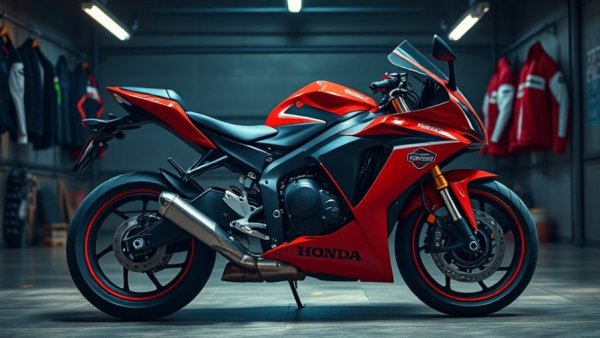
Exploring the Evolution of Honda's CBR1000RR-R: A Comprehensive Comparison
The Honda CBR1000RR-R Fireblade SP has long been a name synonymous with superbike performance. When it debuted in 2020, it ushered in a new era for Honda, showcasing technology derived from MotoGP and emphasizing track-oriented capabilities. Over the years, the Fireblade has built a formidable reputation in the world of motorcycling, representing a blend of innovation, power, and control.
Fast forward to EICMA 2026, and Honda has unveiled an all-new Fireblade SP, touted as the most significant update yet, boasting roughly 75% new components. This article delves into the key differences between the old CBR1000RR-R and its new successor, illustrating enhancements in design, performance, and technology that elevate the riding experience for both seasoned and budding enthusiasts alike.
Design Overhaul: Goodbye Wings, Hello Aerodynamics
One of the most noticeable design changes is the removal of the previous model's distinctive MotoGP-style winglets. In their place, the new Fireblade SP features an innovative fairing design that dynamically adapts to enhance aerodynamics without increasing drag. Honda asserts that the modified lower sidepods generate similar downforce as their predecessors while improving wind protection significantly. Furthermore, the redesigned LED headlights, which come equipped with daytime running lights, shed weight by transitioning to a lightweight titanium tank—resulting in a 3.1-pound reduction. This design not only enhances performance but also gives the bike a sleek, modern aesthetic that appeals to a broad array of riders.
Advanced Rider Aids for Enhanced Control
For riders seeking performance optimization, Honda's new throttle-by-wire system is a game-changer. The update allows for independent management of the bike's two motor throttle systems, enhancing engine braking when rolling off the gas for smoother deceleration. Riders can also expect a more finely-tuned throttle response, allowing for seamless transitions when opening acceleration. Alongside recalibrated rider aids—including traction control, wheelie control, and engine braking—this makes for a significantly more responsive riding experience. With the addition of various riding modes—Race, Road, and Rain—the Fireblade SP caters to diverse conditions and rider preferences, ensuring that each journey is as exhilarating as possible, regardless of weather or terrain.
Performance Upgrades: New Tricks for the Inline-Four
The heart of the CBR1000RR-R has been refined for 2026. While the peak power output remains at a commendable 214.6 hp, Honda has focused its efforts on improving midrange performance. A two-stage Variable Air Funnel system marks a first for Honda, providing enhanced throttle response in lower RPMs before switching to shorter funnels to maintain top-end power. This development ensures that the new Fireblade SP is as adept in low-speed scenarios as it is at high revs, making it more user-friendly for everyday riding, while still being capable of thrilling performance on the racetrack.
New Gearbox: A Race-Ready Design
In keeping with the bike's race-oriented design, the new gearbox introduces significant changes. By extending first gear by five percent and optimizing spacing between shafts, the new Fireblade SP not only improves acceleration but also allows for a wider selection of gear ratios for track use. This flexibility indicates Honda's commitment to enhancing the track capabilities of the Fireblade, catering specifically to performance enthusiasts seeking an edge in competitive settings. The intuitive nature of the gearbox, combined with a responsive engine, positions riders to extract maximum performance from each gear and enjoy every ride, whether on the road or track.
Weight Reduction: Every Pound Counts
Minimizing weight is critical in motorcycle design as it directly influences handling and performance. The new Fireblade SP incorporates magnesium components—including the cylinder head cover and various other key parts—to shed excess weight effectively. Collectively, these changes contribute to a lighter bike, enhancing rider maneuverability in tight corners and improving overall handling. A lighter motorcycle not only accelerates quicker but also turns more easily, thus enhancing the rider's overall confidence and experience.
Conclusion: The Future of Superbike Performance
The new Honda CBR1000RR-R Fireblade SP stands out not only for its advanced technology and design but also for its thoughtful evolution from the previous model. With enhanced aerodynamics, improved rider aids, and a refreshed performance engine, Honda has set a new standard in superbike technology. These upgrades not only enhance the riding experience on the track but also reaffirm Honda's commitment to pushing the envelope in motorcycle performance. Riders can expect an exhilarating journey whether they are carving through city streets or racing around a track.
For motorcycle enthusiasts looking for in-depth performance analysis and reviews, there’s a wealth of insights available online regarding the latest models and market trends. Make sure to stay informed on how these advancements translate to real-world riding experiences and safety features. Understanding the evolution of such iconic machines allows riders to make better-informed decisions when considering new purchases. As technology in the motorcycle industry continues to evolve, staying aware of these updates can lead to a more enjoyable and safer riding experience.




Write A Comment