


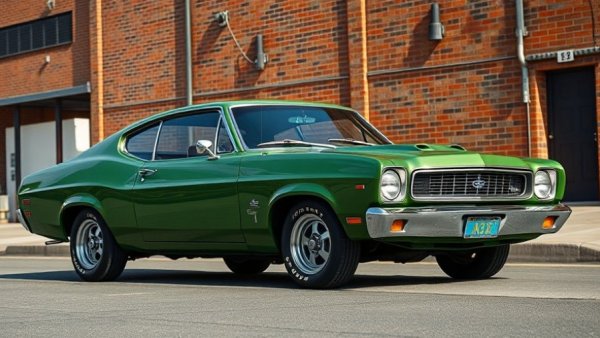
Ford Maverick vs. Ranger: Tailoring Your Pickup Experience
The choice between the Ford Maverick and the Ford Ranger is a quintessential example of matching vehicle characteristics to daily usability. While both vehicles occupy a similar space in Ford’s lineup, they cater to distinctly different driving experiences. The question isn’t which truck is strictly better, but rather which aligns more closely with your lifestyle needs. Understanding the key differences can significantly impact your satisfaction with your purchase.
Understanding the Structural Differences
One key distinction lies in their construction. The Maverick utilizes unibody construction—similar to that of a crossover SUV—making it lighter and more agile for urban driving. Its compact size provides significant advantages in city commuting, where tight spaces and shorter street parking are commonplace. It feels less like a traditional truck and more like a friendly neighborhood vehicle. On the other hand, the Ranger employs a traditional body-on-frame setup, typically associated with more robust trucks. This difference is crucial for those who frequently tackle rugged terrains or heavy-duty tasks, such as construction work or outdoor adventures.
Driving Experience and Comfort: A Side-by-Side Comparison
When it comes to daily driving comfort, the Maverick’s hybrid powertrain shines in stop-and-go traffic. Its fuel-efficient hybrid system excels in scenarios where gas engines falter, making it ideal for high-mileage commuters, especially in urban settings. This model is geared towards simplicity, echoing a clever, budget-minded approach. It’s about more than just cost savings; it significantly reduces the stress associated with urban driving, allowing drivers to navigate crowded streets with ease.
In contrast, the Ranger caters to those who need versatility in their vehicle. Although it handles city roads with decent performance, its true capability emerges when hauling significant loads or navigating rough paths, aspects where it outperforms the Maverick. Particularly, if you’re frequently on the job site or involved in activities like off-roading or towing, the Ranger’s robust design and powertrain options can prove essential.
The Practicalities of Usage
For individuals often engaging in DIY projects, weekend adventures, or requiring a truck for regular tasks, the choice between these two pickups becomes vital. The Maverick is ideal for light towing—adequate for small utility trailers, a couple of jet skis, or a lightweight pop-up camper. Its capabilities are tailored for everyday usage, making it a compelling option for casual truck enthusiasts.
However, for those with more substantial hauling needs or who enjoy frequent camping trips, the Ranger shines as it comfortably accommodates heavier trailers without compromise. The Ranger can tow mid-size travel trailers or larger boats, providing an ease that more adventurous drivers will appreciate. The bed configurations in both models reflect this dichotomy, with the Ranger offering more robust options suited for tradespeople or serious hobbyists.
Interior Features: Fitting Your Preference
Inside both pickups, you’ll find they can seat five comfortably, yet they cater to different aesthetics. The interior of the Maverick leans toward practicality and affordability, ensuring passengers enjoy a functional space without unnecessary luxuries. This is particularly appealing for those who prioritize budget-conscious buying.
On the other hand, the Ranger’s cabin experience feels more premium, emphasizing upper-end finishes and space that feels more truck-like. It often includes more features aimed at comfort and high-tech amenities, which can enhance the driving experience for families or individuals who are often on longer trips. Families aiming for ride comfort may find the Ranger’s sturdier design and additional space a better fit, especially when traveling with children or gear.
Assessing Cost and Value Over Time
In terms of pricing, both trucks showcase a significant range. The Maverick starts around the high $20,000 mark, positioning itself as one of America’s most affordable pickups. This affordability doesn’t just include the sticker price; it extends to lower insurance and maintenance costs, making it an attractive choice for first-time buyers or those on a tighter budget. Meanwhile, the Ranger starts several thousand higher. Its robust capabilities can justify the extra expense if you plan to utilize them regularly.
Furthermore, analyzing fuel savings from hybrid models like the Maverick may lead to substantial reductions in overall ownership costs for frequent drivers. Over five years, those fuel savings can add up considerably, adding a layer of practicality for urban dwellers who rely on their vehicles daily. However, the Ranger earns back its higher cost only when its extra capability is actually used, making understanding your driving needs essential in making a sound investment.
Visualizing Your Daily Routine
The ultimate decision comes down to your personal usage patterns. Envisioning your typical day is paramount—if it revolves around city commuting, errands, and light hauling, the Maverick wins hands down. Its ease of use in urban environments makes it hard to beat in terms of functionality and convenience. However, should your week occasionally involve significant towing, off-road excursions, or heavy hauling, the Ranger’s prowess becomes indispensable.
Final Thoughts: Making the Smart Choice
Ultimately, neither truck can be deemed a universal winner; each serves excellently in its intended role. The Ford Maverick suits those who prioritize affordability and urban agility, allowing them to navigate their daily lives with ease. Conversely, the Ranger satisfies those who seek robust utility and outstanding performance in more demanding situations. Hence, understanding your driving habits and everyday needs can significantly influence your decision, ultimately leading to a happier ownership experience.




Write A Comment