cropper
update
AutoInsiders
update
  • Home
  • Categories
    • insider tips
    • expert reviews
    • industry trends
    • automotive knowledge
    • car insights
    • vehicle advice
    • maintenance tips
    • buying guides
    • market analysis
    • performance reviews
November 24.2026
4 Minutes Read

Honda Recalls Over 810,000 Vehicles Over Takata Airbag Concerns: What Owners Need to Know

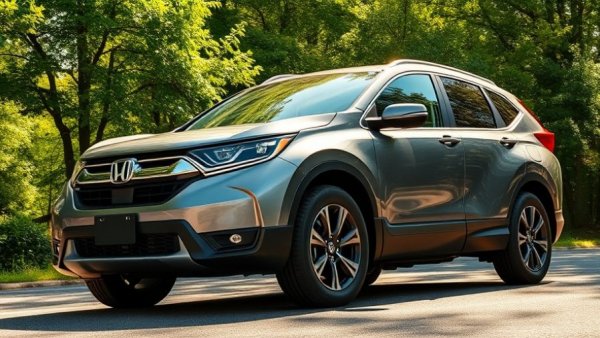
Grey Honda CR-V related to Honda airbag recall parked on road with trees.

Honda's Ongoing Airbag Challenges: A Closer Look

Just when it seemed the massive Takata airbag recall saga might finally be winding down, Honda is facing yet another critical safety issue with the infamous airbag supplier. The automaker has announced a new recall affecting over 810,000 Honda and Acura vehicles in the United States due to potentially dangerous airbag inflators that could rupture during deployment. This recall encompasses particular 2012 and 2013 Honda Civic and CR-V models, along with the 2013 Honda Accord, Acura ILX, and Acura RDX, underscoring the troubling persistence of this long-running crisis.

The Impact of Takata's Defective Airbags

The Takata airbag crisis has been making headlines for well over a decade. Manufacturers have recalled millions of vehicles across various brands, which raises serious questions about consumer safety and manufacturer accountability. Despite efforts to resolve this ongoing issue, hundreds of thousands of vehicles continue to be added to the recall list, exacerbating public concern. This situation is particularly disheartening for owners of these otherwise reliable vehicles, who must grapple with the looming threat of a potentially dangerous situation that could arise from simple everyday driving.

Understanding the Risks

The core issue lies with Takata's airbag inflators, which utilize a phase-stabilized ammonium nitrate propellant. This chemical compound can deteriorate under conditions of high humidity and fluctuating temperatures, ultimately resulting in ruptures that eject sharp metal fragments during an airbag deployment. Although these particular inflators were designed with moisture-absorbing materials intended to mitigate the problem, Honda's long-term analysis indicates that these safeguards may fall short in specific climates. The risk of injury or death due to the defect is serious and cannot be overlooked.

Geographical Concerns: A Unique Challenge

The recall specifically targets regions notorious for hot and humid weather, including states like Florida, Georgia, Alabama, and Louisiana, which all experience significant temperature variations. This regional focus underscores the complexities manufacturers face when dealing with airbag inflation systems. As Honda pointed out, the decision to initiate this recall was made after a careful evaluation of the environmental conditions that could worsen the inflators' reliability. For many vehicle owners, this highlights the importance of understanding how local climates can affect automotive safety issues and the underlying technology utilized in vehicles.

What Owners Need to Know

For affected owners, Honda and Acura dealerships will replace the affected airbag inflators at no cost to the customer. Initial notification letters are expected to begin reaching owners after December 18, 2026. However, owners should not wait for a letter to check if their vehicle is affected. Utilizing the vehicle identification number (VIN) on the National Highway Traffic Safety Administration (NHTSA) recall website or through Honda’s official recall lookup tools can provide timely information regarding any recalls associated with their vehicle. In addition, contacting Honda customer service at 888-234-2138 can help answer further questions for concerned owners who want peace of mind regarding their vehicle's safety.

Honda's Industry Reputation: A Balancing Act

This latest incident further complicates Honda's reputation within the automotive industry. As one of the largest car manufacturers globally, Honda has consistently worked to maintain consumer trust through innovation and reliability. However, repeated recalls related to safety defects do lead to hesitation among potential buyers. This apprehension can be compounded by the growing attention from various news outlets highlighting broader safety issues within the automotive sector. Honda's commitment to safety is reflected in their proactive approach to addressing these recalls, but the ongoing saga of the Takata airbag defects raises questions about the effectiveness of quality control measures across the industry as a whole.

Community Perspective: A Consumer's Voice

For many Honda and Acura owners, this situation serves as a critical reminder of the importance of being engaged consumers. Vehicles—and their safety equipment—require ongoing scrutiny to ensure they meet safety standards, particularly as vehicles age. Moreover, it highlights the shared responsibility between automotive manufacturers, regulatory bodies, and consumers to stay informed and vigilant about safety in the automotive industry. Vehicle owners are encouraged to actively participate in discussions around safety recalls and automotive technology, as insights from the consumer community can often lead to better practices and regulations.

Conclusion: Prioritizing Safety

In conclusion, as many Honda and Acura models approach 15 years of age, it is crucial for owners to address any potentially dangerous defects as their first priority. Honda’s decision to offer free repairs for impacted vehicles demonstrates their commitment to safety and consumer protection, but it ultimately requires proactive engagement from vehicle owners to ensure that their vehicles are safe to drive. In an era where open communication and transparency are vital for maintaining trust between manufacturers and consumers, staying informed and taking decisive action in the face of recalls can significantly contribute to overall vehicle safety.

This ongoing issue serves not only as a cautionary tale within the automotive industry but also reinforces the necessity of continuous vigilance among all stakeholders to prioritize safety moving forward.
automotive knowledge

3 Views

0 Comments

Write A Comment

*
*
Please complete the captcha to submit your comment.
Related Posts All Posts
11.24.2026

The Enduring Trust in Japanese Inline-Four Engines: A Motorcyclist's Perspective

Update Reliability At Its Core: The Japanese Inline-Four AdvantageIn the world of motorcycles, few names evoke a sense of trust quite like that of Japanese manufacturers. Their reputation for building reliable, long-lasting engines is backed by years of research, development, and a relentless drive for perfection—what the Japanese call "kaizen". This approach focuses on continuous improvement that seeks to solve real-world issues rather than simply boasting impressive specifications. Among the standout engines in this category is Kawasaki's 1,099cc Inline-Four, which has garnered admiration from riders across the globe.Kawasaki's Inline-Four: From 1,043cc to 1,099ccOriginally built as a 1,043cc engine for the Z1000 in 2010, Kawasaki's iconic Inline-Four engine has undergone numerous refinements over the years. With features designed for everyday utility, this engine pairs impressive torque with remarkable durability, easily powering models like the Ninja 1000 and Versys 1000. Unlike more specialized engines that are not focused on rider experience, its design promotes predictable power at low RPMs, making it a favorite among everyday riders who seek a dependable and enjoyable experience.This adaptability is a cornerstone of why many motorcyclists gravitate towards Japanese engineering—it transcends demographics and appeals to both novice riders and seasoned enthusiasts. The construction of Kawasaki's engines embraces cutting-edge technology while remaining accessible, making motorcycle ownership a gratifying venture across various lifestyles. Whether it’s a daily commute to work or an unplanned weekend getaway, the Kawasaki Inline-Four engine delivers an experience that often exceeds expectations.The Evolution Of A Classic: Recent UpdatesWhat’s particularly striking about Kawasaki's 1,099cc engine is how it has evolved through various iterations. The engine has grown not just in displacement but also intricately increased its usability: revised intake cams, longer gearing, and advanced riding modes are just a few examples of how Kawasaki has worked tirelessly to elevate the riding experience. The introduction of ride-by-wire technology in 2020 marked a significant step toward modernizing this powerhouse, enhancing throttle response and overall rider confidence.Furthermore, improvements in emissions standards have led Kawasaki to incorporate a three-way catalytic converter, ensuring not only compliance with regulations like Euro5 but also enhancing engine efficiency. This conscientious effort shows that manufacturers are not only concerned about performance but also about environmental responsibility, an increasingly important aspect for modern consumers.Performance Dynamics: A Flexible Engine for All RidersThe 1,099cc engine is celebrated for its flexible power delivery, effectively straddling the line between a commuter and performance machine. The enhancements have resulted in a more potent output—now offering 133 horsepower and 82.5 pound-feet of torque—which captures attention while remaining user-friendly, particularly for those who prioritize smooth acceleration and ease of overtaking. Impressively, the engine maintains its reliability without compromising performance, solidifying its standing among the motorcycle community.Additionally, the redesigned engine features a heavier flywheel and revised cam profiles—elements that further smooth out power delivery. Riders appreciate how these updates translate into an experience that accommodates various riding styles, allowing for relaxed commutes as well as spirited weekend rides without feeling out of place on either front.Why Motorcyclists Trust This EngineThe legacy of Kawasaki's Inline-Four reflects not only in its specifications but also in the sentiments of riders who have come to depend on it. While many motorcycles come and go, this engine has stood the test of time, earning respect for its reliability and performance longevity. With a focus on ease of ownership, the Kawasaki Inline-Four aligns seamlessly with various riding styles—from urban commuting to long-distance touring—reflecting its impeccable craftsmanship. For many, owning a Kawasaki is more than just a purchase; it's an emotional journey that resonates with their spirit of adventure.Furthermore, it's worth noting that community-driven events and gatherings among Kawasaki riders help to forge strong bonds. Owners often share stories of their experiences, further embedding the brand's heritage in the motorcycle culture and creating a loyal following that values the dependability of the Inline-Four. This rider camaraderie is another layer that adds to the enjoyment of owning a Kawasaki motorcycle, as it fosters relationships built around shared adventures and reliable performance.The Future of Motorcycling: What Lies Ahead?As we look toward the future, the importance of fuel efficiency and evolving technology can't be overlooked. The motorcycle industry is on the brink of significant shifts, particularly with trends toward electric and hybrid vehicles. This transformation presents both challenges and opportunities for traditional manufacturers like Kawasaki. They must navigate the demands for innovation while maintaining the hallmark reliability that motorcycle enthusiasts cherish.However, the enduring quality of engines like Kawasaki's Inline-Four will remind the industry of the value of reliability and performance. It will be fascinating to see how manufacturers adapt to these changes without losing their signature strengths. As new technologies are integrated into product lines, ensuring that the essence of what makes a motorcycle enjoyable remains intact will be key to maintaining consumer trust.Final Thoughts: The Legacy of Japanese EngineeringThe lessons learned from Kawasaki's journey with their 1,099cc Inline-Four engine serve as a reminder of the importance of continuous improvement in engineering. For riders and enthusiasts alike, this legacy stands as a beacon of reliability amid a rapidly changing automotive landscape. As motorcycle manufacturers push boundaries and embrace new technologies, Kawasaki's commitment to refining its engines will ensure that trust and craftsmanship remain at the forefront of their offerings—something any rider can appreciate as they rev up for the road ahead.

11.24.2026

Ford Maverick vs. Ranger: Which Pickup Is Your Best Bet for Daily Driving?

Update Ford Maverick vs. Ranger: Tailoring Your Pickup Experience The choice between the Ford Maverick and the Ford Ranger is a quintessential example of matching vehicle characteristics to daily usability. While both vehicles occupy a similar space in Ford’s lineup, they cater to distinctly different driving experiences. The question isn’t which truck is strictly better, but rather which aligns more closely with your lifestyle needs. Understanding the key differences can significantly impact your satisfaction with your purchase. Understanding the Structural Differences One key distinction lies in their construction. The Maverick utilizes unibody construction—similar to that of a crossover SUV—making it lighter and more agile for urban driving. Its compact size provides significant advantages in city commuting, where tight spaces and shorter street parking are commonplace. It feels less like a traditional truck and more like a friendly neighborhood vehicle. On the other hand, the Ranger employs a traditional body-on-frame setup, typically associated with more robust trucks. This difference is crucial for those who frequently tackle rugged terrains or heavy-duty tasks, such as construction work or outdoor adventures. Driving Experience and Comfort: A Side-by-Side Comparison When it comes to daily driving comfort, the Maverick’s hybrid powertrain shines in stop-and-go traffic. Its fuel-efficient hybrid system excels in scenarios where gas engines falter, making it ideal for high-mileage commuters, especially in urban settings. This model is geared towards simplicity, echoing a clever, budget-minded approach. It’s about more than just cost savings; it significantly reduces the stress associated with urban driving, allowing drivers to navigate crowded streets with ease. In contrast, the Ranger caters to those who need versatility in their vehicle. Although it handles city roads with decent performance, its true capability emerges when hauling significant loads or navigating rough paths, aspects where it outperforms the Maverick. Particularly, if you’re frequently on the job site or involved in activities like off-roading or towing, the Ranger’s robust design and powertrain options can prove essential. The Practicalities of Usage For individuals often engaging in DIY projects, weekend adventures, or requiring a truck for regular tasks, the choice between these two pickups becomes vital. The Maverick is ideal for light towing—adequate for small utility trailers, a couple of jet skis, or a lightweight pop-up camper. Its capabilities are tailored for everyday usage, making it a compelling option for casual truck enthusiasts. However, for those with more substantial hauling needs or who enjoy frequent camping trips, the Ranger shines as it comfortably accommodates heavier trailers without compromise. The Ranger can tow mid-size travel trailers or larger boats, providing an ease that more adventurous drivers will appreciate. The bed configurations in both models reflect this dichotomy, with the Ranger offering more robust options suited for tradespeople or serious hobbyists. Interior Features: Fitting Your Preference Inside both pickups, you’ll find they can seat five comfortably, yet they cater to different aesthetics. The interior of the Maverick leans toward practicality and affordability, ensuring passengers enjoy a functional space without unnecessary luxuries. This is particularly appealing for those who prioritize budget-conscious buying. On the other hand, the Ranger’s cabin experience feels more premium, emphasizing upper-end finishes and space that feels more truck-like. It often includes more features aimed at comfort and high-tech amenities, which can enhance the driving experience for families or individuals who are often on longer trips. Families aiming for ride comfort may find the Ranger’s sturdier design and additional space a better fit, especially when traveling with children or gear. Assessing Cost and Value Over Time In terms of pricing, both trucks showcase a significant range. The Maverick starts around the high $20,000 mark, positioning itself as one of America’s most affordable pickups. This affordability doesn’t just include the sticker price; it extends to lower insurance and maintenance costs, making it an attractive choice for first-time buyers or those on a tighter budget. Meanwhile, the Ranger starts several thousand higher. Its robust capabilities can justify the extra expense if you plan to utilize them regularly. Furthermore, analyzing fuel savings from hybrid models like the Maverick may lead to substantial reductions in overall ownership costs for frequent drivers. Over five years, those fuel savings can add up considerably, adding a layer of practicality for urban dwellers who rely on their vehicles daily. However, the Ranger earns back its higher cost only when its extra capability is actually used, making understanding your driving needs essential in making a sound investment. Visualizing Your Daily Routine The ultimate decision comes down to your personal usage patterns. Envisioning your typical day is paramount—if it revolves around city commuting, errands, and light hauling, the Maverick wins hands down. Its ease of use in urban environments makes it hard to beat in terms of functionality and convenience. However, should your week occasionally involve significant towing, off-road excursions, or heavy hauling, the Ranger’s prowess becomes indispensable. Final Thoughts: Making the Smart Choice Ultimately, neither truck can be deemed a universal winner; each serves excellently in its intended role. The Ford Maverick suits those who prioritize affordability and urban agility, allowing them to navigate their daily lives with ease. Conversely, the Ranger satisfies those who seek robust utility and outstanding performance in more demanding situations. Hence, understanding your driving habits and everyday needs can significantly influence your decision, ultimately leading to a happier ownership experience.

11.23.2026

Exploring the 2027 Ferrari 296 Challenge Stradale: A Return to Pure Performance

Update Unleashing the Spirit of Racing: The 2027 Ferrari 296 Challenge Stradale When we think of Ferrari, we often envision speed, luxury, and an undeniable connection to racing heritage. The new 2027 Ferrari 296 Challenge Stradale exemplifies this connection more than any model in recent years. This latest iteration harkens back to the celebrated 360 Challenge Stradale, reviving a driving ethos that prioritizes performance through precision engineering and a lower overall weight. Enthusiasts cherish models like the original 360 for their raw driving experiences, and Ferrari aims to deliver that same exhilarating essence with the 296 Challenge Stradale. The Bold Move Away from Hybrid Power In an era where hybrid technology dominates the performance landscape, Ferrari's decision to shed its hybrid powertrain for the Challenge Stradale is nothing short of revolutionary. While the standard 296 GTB combines a potent twin-turbo V6 with an electric motor for a staggering 819 horsepower, the 296 Challenge Stradale opts for a purist’s approach—boasting a refined 670 horsepower without hybrid assistance. This choice not only reduces complexity but also emphasizes a direct and raw driving experience, inviting enthusiasts to connect more intimately with their vehicle. By going back to a simpler power source, Ferrari underscores its dedication to a thrilling driving experience, distinct from the growing trend toward electrification seen in other luxury automotive brands. Emphasizing Lightness and Aerodynamics Weight savings play a critical role in the Challenge Stradale's performance narrative. Engineers have meticulously reduced the car's dry weight by approximately 328 pounds, largely by eliminating the hybrid components. The result is not merely a lighter car; it's a more agile machine that responds quicker to driver inputs. This weight reduction is complemented by a stunning array of aerodynamic enhancements. The large carbon-fiber rear wing, aggressive front dive planes, and significantly optimized rear diffuser come together to generate an astonishing 1,360 pounds of downforce at 155 mph—impressive for a street-legal vehicle. Such figures indicate that Ferrari intends this vehicle to not just perform well on public roads but truly excel on the track as well. Serious Attention to Chassis and Handling Ferrari’s meticulous focus on the Challenge Stradale’s chassis ensures that every ounce of weight is utilized skillfully. With a redesigned suspension inherited from the 296 Challenge Evo, featuring semi-active dampers and a dual-spring setup, drivers can expect refined handling that minimizes body roll and enhances cornering stability. These improvements are especially noteworthy considering the new Pirelli P Zero R tires—specifically designed to maximize grip and traction. Additionally, the larger carbon-ceramic brake discs improve stopping performance significantly, providing drivers with enhanced safety and control. This holistic approach to engineering ensures that driving the Challenge Stradale is not just a thrill but a carefully calibrated experience, enabling drivers to push the limits of performance safely. Why the 296 Appeal Matters in Today’s Market In a world rapidly shifting towards electric vehicles (EVs), Ferrari's commitment to maintaining a gas-powered sports car with remarkable performance is striking. The 296 Challenge Stradale caters to enthusiasts who appreciate the visceral sensations that come only from a high-revving internal combustion engine. This strategy positions Ferrari uniquely in the market, appealing to purists while continuing to symbolize uncompromising automotive excellence. Furthermore, amidst an automotive landscape increasingly dominated by technology, this model sends a clear message: the thrill of driving is alive and well. It allows Ferrari to stand out among competitors who may not prioritize the visceral aspects of driving pleasure. Challenges and Considerations for Future Models While the 296 Challenge Stradale takes bold steps forward in redefining performance, it raises pertinent questions about the future of automotive engineering. Will this be a blueprint for future Ferrari models or a singular homage to driving purity? The automotive industry is rapidly advancing towards electrification, so how will Ferrari balance tradition with the inevitability of change? These considerations will shape the conversation in upcoming years as manufacturers navigate the evolving landscape of consumer expectations. As regulations become more stringent and consumer preferences shift, how will Ferrari continue to innovate while staying true to its legacy? Connecting with the Ferrari Legacy Ultimately, the 2027 Ferrari 296 Challenge Stradale serves as a love letter to driving enthusiasts, honoring the company's rich legacy. By marrying heritage with cutting-edge technology, Ferrari draws a clear line connecting past, present, and future. Whether you're an automobile aficionado or simply someone intrigued by engineering artistry, the Challenge Stradale encapsulates what makes the car world endlessly fascinating. It’s not merely about being behind the wheel; it’s about feeling the pulse of the car, the roar of the engine, and the thrill of each curve on the road. The Future of Driving Enthusiasm For those who remain captivated by the spirit of driving and the sheer thrill of performance, the Challenge Stradale beckons—promising not just fast laps but an exhilarating experience. As automotive technology continues evolving, the Challenge Stradale embodies the commitment to the passionate driver, offering a platform that celebrates the art and craft of sports car driving. As this era of driving unfolds, enthusiasts can watch closely how Ferrari continues to balance power, performance, and purity in a market that is ever-changing.

cropper
update
WorldPulse News
cropper
update

Write a small description of your business and the core features and benefits of your products.

  • update
  • update
  • update
  • update
  • update
  • update
  • update

COMPANY

  • Privacy Policy
  • Terms of Use
  • Advertise
  • Contact Us
  • Menu 5
  • Menu 6

408-903-0493

AVAILABLE FROM 8AM - 5PM

City, State

, ,

ABOUT US

Write a small description of your business and the core features and benefits of your products.

© 2026 CompanyName All Rights Reserved. Address . Contact Us . Terms of Service . Privacy Policy

Terms of Service

Privacy Policy

Core Modal Title

Sorry, no results found

You Might Find These Articles Interesting

T
Please Check Your Email
We Will Be Following Up Shortly
*
*
*