cropper
update
AutoInsiders
update
  • Home
  • Categories
    • insider tips
    • expert reviews
    • industry trends
    • automotive knowledge
    • car insights
    • vehicle advice
    • maintenance tips
    • buying guides
    • market analysis
    • performance reviews
November 12.2026
4 Minutes Read

Lucid Motors’ Affordable Cosmos SUV: What to Expect by 2027

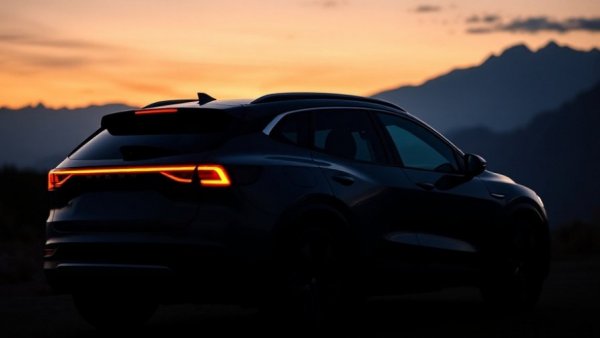
Affordable electric SUV with modern rear design at dusk.

Lucid Motors' Ambitious Venture into the Midsize SUV Market

Lucid Motors is set to make a significant impact in the electric vehicle (EV) sector with the upcoming launch of its mid-range Cosmos SUV. Traditionally known for its luxury models, the manufacturer aims to broaden its appeal beyond affluent consumers seeking high-end sedans like the Air and Gravity. By offering the Cosmos at a price point below $50,000, Lucid hopes to attract a more diverse audience and compete vigorously against established players like the Tesla Model Y and the Rivian R2. This strategic move is timely, as the EV market is rapidly evolving and expanding, with an increased emphasis on affordability and accessibility for the average consumer.

Expected Features and Performance Metrics

The latest teaser from Lucid highlights innovative design elements and performance features that could set the Cosmos apart from its competitors. The Cosmos is expected to feature a sleek exterior that retains Lucid's hallmark sophisticated design ethos—characterized by smooth contours, an aerodynamic profile, and captivating lighting designs. Observers are particularly impressed by the vehicle's distinctive slim lighting arrangement and the illuminated branding on the rear, giving it a contemporary and stylish look.

The company's new midsize EV architecture promises an estimated driving range of around 300 miles from a reasonably sized 69-kWh battery pack, which is encouraging news for potential buyers who prioritize travel range. Alongside this impressive range, the expected energy efficiency of approximately 4.5 miles per kilowatt-hour would position the Cosmos among the most competitive midsize SUVs in the burgeoning EV market. This efficiency allows consumers to enjoy longer journeys without the constant worry of charging stops.

The charging capabilities are also noteworthy, with reports indicating that the Cosmos could potentially add 200 miles of range in just 14 minutes. This kind of rapid charging performance could be a game-changer for long-distance travel enthusiasts and daily commuters alike, making the vehicle not only practical for city driving but also suitable for adventurous road trips. As electric vehicle infrastructure continues to develop around the country, the Cosmos might appeal to a broader segment of the market, facilitating shifts in consumer behavior towards electric mobility.

The Market Dynamics: Competing in a Crowded Space

Lucid's shift towards affordability comes as the electric vehicle market continues to grow, set to become one of the largest automobile industries in the world. With major competitors prioritizing price and performance, the market is ripe for disruption. Tesla, Rivian, and other manufacturers have set a high bar, making it essential for Lucid to differentiate itself with unique selling propositions. The challenge, however, will be balancing quality and features with affordability in a sector where many brands continuously innovate.

Lucid has long been recognized for its engineering excellence, particularly in battery technology and powertrains. If the company can successfully translate that expertise into their Cosmos SUV without inflating costs, it may secure a critical foothold in a challenging market. Affordable pricing paired with the promise of high performance could enable Lucid to attract environmentally-conscious consumers who are looking for a high-tech and luxurious yet reasonably priced electric vehicle.

Challenges Ahead: Addressing Production Delays

Despite the excitement surrounding the Cosmos, prospective buyers will have to wait as production has faced delays that push the anticipated launch date to late 2027. Initially projected to begin in 2026, the timeline has shifted due to the rigorous testing and prototype development needed to ensure quality and sustainability. This situation underscores the unpredictability within the automotive industry, where unforeseen challenges can disrupt even the most promising forecasts.

Addressing these delays is critical for Lucid to maintain consumer interest and credibility, particularly in a market ripe with competitors ready to capture attention and market share. Delays in production could lead to consumer fatigue or the opportunity for rivals to present similar products. Therefore, effective communication with customers and consistent updates on the Cosmos’s development will be vital in preserving Lucid's brand image.

Technological Savvy in the Electric Vehicle Landscape

At the core of the Cosmos' appeal is its technological prowess. Highly efficient battery management systems, intelligent charging capabilities, and advanced safety features are just a few aspects that may set this SUV apart. The auto industry, while steeped in tradition, is shifting toward a technology-driven approach that emphasizes sustainability. The demand for eco-friendly options coupled with innovative technology means that the Cosmos has the potential to captivate tech-savvy consumers who are looking to embrace electric vehicles as their next purchase.

Furthermore, Lucid's focus on performance does not overlook essential amenities that modern consumers expect. Features such as advanced driver-assistance systems, intuitive infotainment interfaces, and comfortable interior designs are increasingly becoming the norm. By integrating these aspects with sustainable technologies, the Cosmos can cater to a broad range of preferences and provide a premium experience that aligns with the aspirations of present-day buyers.

The Future of Lucid Motors and the Automotive Industry

As Lucid Motors prepares to launch the Cosmos, the automotive landscape will likely experience a transformative wave. The company’s commitment to blending cutting-edge technology with elegant design could signify a new trend for manufacturers aspiring to gain traction in the market. This evolution could reshape consumer expectations and lead to profound changes in how we think about electric vehicles.

As we approach the release, it will be essential for potential buyers to stay informed about updates regarding pricing, features, and production timelines. With the promised price point and impressive specifications, anticipation for the Cosmos continues to build—offering a glimpse into an electrifying future for the automotive industry. Lucid’s entry into the affordable SUV segment signifies a shift that could pave the way for the wider acceptance of electric vehicles among the general populace, potentially transforming how consumers view and utilize automotive technologies.
automotive knowledge

1 Views

0 Comments

Write A Comment

*
*
Please complete the captcha to submit your comment.
Related Posts All Posts
11.12.2026

Why the Rimac Nevera's Production Ending Early Signals Shifts in Electric Autos

Update The Spectacular Rise and Unexpected Fall of Rimac Nevera The Rimac Nevera, an electric hypercar that redefined high-performance automotive standards, is set to halt production earlier than anticipated, concluding with just 71 units instead of the once-planned 150. While many may see this as a commercial failure, founder Mate Rimac offers a different perspective. He views the completion of the Nevera’s production as a successful leap into the future of electric vehicles and a substantial confirmation of Rimac's engineering prowess. This swift conclusion reflects not only the unyielding challenges of the hypercar market but also the evolving expectations of luxury car buyers today. Decoding the Performance of the Nevera Unveiled to the world with an astonishing 1,914 horsepower, the Nevera boasted thrilling statistics—0 to 60 mph in merely 1.85 seconds and a top speed of 258 mph. Such performance figures seemed more like science fiction just a few years ago when electric vehicles were often overlooked in the ultra-fast car segment. The Nevera’s impressive specifications allowed a smaller, relatively unknown manufacturer from Croatia to compete with giants in the automotive industry, capturing the attention and imagination of car enthusiasts worldwide. Its successor, the Nevera R, escalated the competition even further with an incredible 2,107 horsepower, managing a sprint to 60 mph in just 1.74 seconds. These groundbreaking numbers have not only captivated car enthusiasts but have also demonstrated Rimac's capability to disrupt the automotive industry, pushing boundaries further than ever considered possible for electric vehicles. The advancements seen in both the Nevera and its R variant represent a significant leap in technology, showcasing what is achievable through cutting-edge engineering. Market Realities and Consumer Expectations Despite the groundbreaking innovations and capabilities of the Nevera and Nevera R, the demand did not match the anticipated hype. The reality is, even with nearly 2,100 horsepower, many wealthy collectors remain attached to the visceral, emotional experience that combustion engines offer; a quality that electric motors, no matter how powerful, have yet to replicate. Sound and character play vital roles in the purchasing decisions of hypercar buyers, causing an apparent disconnect in consumer preferences. For many buyers, the roaring symphony of a V12 engine is difficult to trade for the silent surge of electric motors, regardless of their performance stats. The disconnect raises questions about the market's readiness for fully electric hypercars. While the Nevera embodies the latest in technological advances, it also reveals the challenges of shifting consumer mindsets in a tradition-rich industry. Enthusiasts and collectors often seek not just speed but an engaging driving experience—they yearn for the emotional connection and the storytelling that comes with a car's engine and mechanical intricacies. Into the Future: Rimac's Broader Vision Interestingly, Rimac's future appears to transcend just building hypercars. The company has successfully pivoted into becoming a leading technology supplier within the automotive sphere through Rimac Technology. By developing advanced battery systems, electric motors, and other high-performance components, Rimac is now integral to the manufacturing processes of several outside automotive brands. This shift illustrates a strategic foresight that positions the company beyond mere vehicle production. One notable venture is Rimac’s collaboration with Bugatti, leading to the creation of the Bugatti Tourbillon. Combining a powerful combustion engine with electric motors highlights a fascinating integration of traditional and modern technology—a differing philosophy from the fully electric Nevera. The Bugatti Tourbillon represents how established brands are now looking to integrate electric powertrains, signaling a potential synthesis of power and technology that could pave the way for a new era of hybrid hypercars. The Ripple Effect in the Automotive Industry The Nevera has demonstrated how electric technology can not only push the boundaries of vehicle performance but also reconfigure the automotive industry's competitive landscape. As traditional manufacturers explore electric mobility, the impact of Tesla and the likes of Rimac indicates a steep shift awaits in automotive design philosophy, with electric performance climbing to the forefront. Automakers are beginning to prioritize not just the environmental aspects of EVs but also their thrilling performance dimensions. This reflection of changing paradigms may attract a new generation of consumers who prioritize sustainability without compromising on exhilaration. Conclusion: A Legacy of Innovation While the Rimac Nevera may not meet its initial sales goals, its legacy as an engineering marvel is undeniable. It has paved the way for innovations that extend beyond its production days. Mate Rimac's forward-thinking approach serves as a beacon for future electric vehicle developments, reminding us that even when the numbers fall short, the impact of bold innovation is enduring. The lessons learned from the Nevera's journey could guide Rimac and its competitors towards crafting the next chapter in automotive history—one that intricately blends the thrill of speed with the promise of sustainable technology, ensuring that electric hypercars will remain a part of the conversation for years to come.

11.11.2026

Why the 2026 Lexus RX 350h Makes Gas-Only SUVs Obsolete

Update Fuel Efficiency: The New Luxury Metric Once upon a time, the appeal of a luxury SUV hinged on its size, opulence, and, at times, its excessive fuel consumption. Owning a gas-guzzling vehicle was often seen as a status symbol, showcasing wealth and power. However, as fuel prices have climbed to over $4 per gallon in recent months, drivers are reassessing what they really want from these vehicles. Increasingly, fuel efficiency has taken center stage, particularly for the consumers who prioritize economic and environmental sustainability alongside luxury. The drive toward more eco-friendly choices is not just a trend; it’s becoming a necessity for many. The 2026 Lexus RX 350h: A Game-Changer Leading the charge is the 2026 Lexus RX 350h, which showcases how luxury and efficiency can coexist harmoniously. Rated at an impressive 36 miles per gallon combined, the RX 350h allows drivers to indulge in a high-end experience. This capability comes without the crippling gas bills associated with traditional gas-only SUVs like the Cadillac Escalade, which manages just 17 mpg combined. With a robust hybrid powertrain boasting 246 horsepower, the RX 350h doesn’t just perform; it excels in fuel economy, enabling drivers to make fewer stops at the pump and enjoy a more seamless driving experience. In a world where every dollar counts, the fuel efficiency offered by the RX 350h means less stress at the gas station and more time exploring the open road. An estimated range of 619 miles on a full tank emphasizes the practicality of this luxury vehicle. Compared to models like the similarly sized Genesis GV80 or the base-trim BMW X5, the RX 350h not only meets luxury standards but also outshines its contemporaries in fuel efficiency, presenting a compelling argument for any consumer. The Hybrid Revolution: New Choices for Drivers Hybrid technology has rapidly gained acceptance and notoriety, moving beyond just family-oriented models to dominate the luxury SUV market. Brands that once exclusively catered to high-end consumers are now offering hybrid options that not only satisfy the appetite for luxury but also respond to the growing eco-consciousness seen in today’s buyers. For instance, the Lincoln Nautilus has introduced a hybrid variant alongside its traditional gas engine, boasting enhanced torque and significantly better fuel economy. Moreover, the appeal of hybrid SUVs is not limited merely to their environmental benefits. Many manufacturers are integrating cutting-edge technology, such as advanced infotainment systems, driver assistance features, and enhanced safety protocols, to further enhance their value proposition. The modern consumer desires vehicles that reflect their values and lifestyle choices. As hybrid vehicles continue to evolve, they are increasingly equipped with the latest advancements that make driving safer and more enjoyable. Beyond Fuel Savings: The Overall Value of Hybrid SUVs Investing in a hybrid luxury SUV like the Lexus RX 350h doesn’t merely save money at the pump; it also represents a shift in long-term vehicle value. With the trend toward higher fuel prices unlikely to reverse anytime soon, selecting a hybrid is a proactive choice for future-proofing your car ownership experience. It’s not just about immediate fuel savings; it’s also about being a responsible consumer committed to sustainable practices. Additionally, consumers can benefit from lower maintenance costs associated with hybrid technology. The simpler engine design and fewer moving parts lead to fewer complications that might require repairs. Furthermore, studies indicate that hybrids tend to have reduced depreciation rates, and as more buyers seek green technology, the resale values for hybrid models are expected to remain strong. This combination of savings and potential for higher resale values makes hybrids an attractive proposition when considering long-term ownership. Charting the Future of Luxury SUVs The luxury SUV segment is poised for a transformation. As manufacturers respond keenly to consumer demand for more efficient options, we can anticipate a broader selection of hybrid vehicles in 2024 and beyond. This evolution may not just be limited to SUVs; it could expand into other markets, including sedans and trucks, aligning with the growing emphasis on electric vehicle technology and advancements in autonomous driving features. Such developments will contribute to a future that prioritizes an even safer, more efficient driving experience. Innovation is the heartbeat of the automotive industry, and as consumer attitudes shift, manufacturers have an obligation to adapt. The growing infrastructure to support electric and hybrid vehicles, such as charging stations and eco-friendly maintenance centers, also plays a crucial role in helping consumers feel secure in their investment. Making the Switch: What to Consider When Choosing a Hybrid SUV For those contemplating the shift from gas-only to hybrid models, several factors come into play. Potential buyers should not only compare real-world mileage ratings but also assess the vehicle's technology features, safety ratings, and overall driving experience. The Lexus RX 350h stands out in these categories, making it a front-runner in the decision-making process. Furthermore, leveraging available tools, such as car comparison applications and expert reviews, can enhance your purchasing experience. This allows consumers to analyze hybrids in relation to their gas counterparts in terms of ownership costs, maintenance requirements, and overall consumer satisfaction. Taking the time to fully understand the options can lead to a rewarding purchasing experience and long-term satisfaction. Conclusion: A New Era of Luxury Vehicle Ownership The automotive landscape is dramatically changing, and the luxury hybrid SUV is entering the spotlight as a solution that meets modern consumer demands—efficiency without sacrificing comfort or style. As we look ahead into 2024 and beyond, now is the perfect time to consider how hybrid vehicles like the Lexus RX 350h can fit into your lifestyle, offering the best value without compromising luxury. Be informed, explore your options, and embrace the future of driving innovations. The choice of a hybrid vehicle isn’t just a decision about convenience or cost; it’s a lifestyle choice that reflects a commitment to responsible consumption and sustainability in today’s world. The revolution in the automotive industry is here, and hybrids stand at the forefront, ready to deliver a new standard of excellence.

11.11.2026

The Scion KEI-01: A Unique Low-Speed Pickup Truck Revives a Classic Brand

Update Scion's Surprising Comeback with the KEI-01 In a twist that captivates both automotive enthusiasts and industry veterans, Toyota is resurrecting the Scion brand, but instead of the anticipated sporty coupes or eclectic hatchbacks, we are introduced to the Scion KEI-01—a pint-sized pickup truck. Officially announced on November 10, 2026, this quirky little truck comes as a refreshing addition to the automotive landscape, set to redefine utility and accessibility in the pickup market. What is a Kei Truck? The KEI-01 is an adaptation of Japan's popular kei trucks, like the Daihatsu Hijet Jumbo. These vehicles are known for their compact size and practical utility, designed for both urban and rural environments in Japan. Speaking of size, the KEI-01 stretches out to 11 feet in length and 5 feet in width, considerably smaller than even the tiniest conventional trucks available in the U.S. This engineering choice caters to various consumers who need a reliable, maneuverable vehicle for both work and play. Utility Meets Innovation One of the KEI-01's primary appeals lies in its utilitarian design. Despite its small stature, it boasts an impressive maximum payload capacity of approximately 600 pounds. The innovative three-way folding cargo bed makes loading and unloading simpler, enhancing practicality for users carrying tools or supplies. With a sizable cargo area that extends to 6 feet and 6 inches, this little truck is full of surprises. In a market dominated by oversized models, the KEI-01 represents a shift back to functionality and efficiency—a crucial consideration given the growing emphasis on sustainability. Engine Performance and Speed Limitations Powered by a 660cc three-cylinder engine, the KEI-01 is designed more for function than speed, managing a top speed of just 25 mph. This regulations-based design makes it fall under the federal classification of a low-speed vehicle, suitable for agricultural fields, college campuses, and local neighborhoods rather than highways. While this constraint limits its overt performance, it cleverly sidesteps the rigorous safety standards that accompany full-speed vehicles, allowing Toyota to maintain innovation without significant regulatory headaches. Production and Job Creation Unique to this revival is the commitment to local manufacturing. The KEI-01 will be assembled at Toyota's Princeton, Indiana facility, where a $34 million investment aims to create about 50 jobs in the local community. This decision reflects not only Toyota's dedication to reviving the Scion brand but also its commitment to local job creation and sustainable production practices. As the automotive industry grapples with technological shifts to electric vehicles and sustainability, the birth of KEI-01 could signify a thoughtful blend of traditional manufacturing and modern demands. The Market Demand for Mini Pickups With the rising interest in compact vehicles, especially in urban environments, this tiny pickup truck could cater to a market looking for something different. An increasing number of consumers prefer vehicles that are easy to park, fuel-efficient, and practical without the complications that accompany larger models. Reports show that urban dwellers often face challenges related to parking space and maneuverability, and the KEI-01 steps in to fill that gap with its compact footprint. By offering the KEI-01 exclusively to fleets initially, Toyota might be testing the waters for broader consumer interest, giving automotive insiders a hint of what demographic shifts might be on the horizon. The strategic focus on fleet sales also opens possibilities for businesses that require versatile vehicles for transporting goods or equipment in tight spaces. What Could This Mean for the Future of Scion? The revival of the Scion brand through the KEI-01 opens up a wealth of possibilities for future vehicles under the Scion umbrella. If the KEI-01 garners sufficient interest, it might pave the way for an entire lineup of utility-focused vehicles that cater to specific consumer needs. In a world that increasingly prioritizes eco-friendliness and practicality, it's not hard to envision additional models emerging that emphasize sustainability while still offering unique features and adaptations to meet various needs. As trends shift and sustainability becomes more paramount, a reimagined Scion could emerge, featuring innovative designs that meld utility with style. The KEI-01 could potentially launch a broader initiative at Toyota to explore not just kei trucks, but a range of vehicles that balance tradition with the demands of the modern market. Consumer Reception and Enthusiast Reactions While Toyota's KEI-01 may seem unconventional, early reactions from consumers and automotive enthusiasts have been largely positive. Many are excited about the return of the Scion brand, even if it comes in an atypical form. Enthusiasts appreciate the uniqueness of kei trucks and their practicality, often mentioning the nostalgia associated with the original Scion models that appealed to younger drivers. Furthermore, social media has become alive with discussions about the potential uses for the KEI-01, from weekend DIY projects to urban deliveries, representing a diverse range of opportunities for the new vehicle. Such excitement indicates that Toyota might be tapping into an undercurrent of demand for smaller, functional vehicles in an increasingly crowded automotive market. Conclusion: Embracing a New Era In an age where many think the pickup truck has reached its limits in size and functionality, the Scion KEI-01 enters the market not just as a novelty, but as a potential paradigm shift. As the automotive landscape continues to adapt, Toyota's foray into this niche segment could inspire competitors to also consider the benefits of miniaturization as we move forward. With its combination of compact design, utility, and local production, the KEI-01 not only welcomes the Scion brand back but also heralds a new beginning for how we think about our vehicles in a congested world. The dawn of the KEI-01 is here—will it be the beginning of something big?

cropper
update
WorldPulse News
cropper
update

Write a small description of your business and the core features and benefits of your products.

  • update
  • update
  • update
  • update
  • update
  • update
  • update

COMPANY

  • Privacy Policy
  • Terms of Use
  • Advertise
  • Contact Us
  • Menu 5
  • Menu 6

408-903-0493

AVAILABLE FROM 8AM - 5PM

City, State

, ,

ABOUT US

Write a small description of your business and the core features and benefits of your products.

© 2026 CompanyName All Rights Reserved. Address . Contact Us . Terms of Service . Privacy Policy

Terms of Service

Privacy Policy

Core Modal Title

Sorry, no results found

You Might Find These Articles Interesting

T
Please Check Your Email
We Will Be Following Up Shortly
*
*
*