


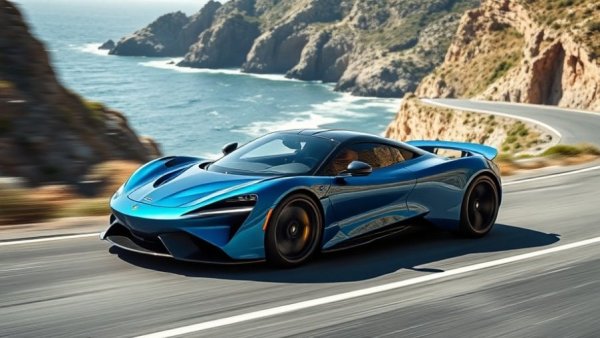
The Spectacular Rise and Unexpected Fall of Rimac Nevera
The Rimac Nevera, an electric hypercar that redefined high-performance automotive standards, is set to halt production earlier than anticipated, concluding with just 71 units instead of the once-planned 150. While many may see this as a commercial failure, founder Mate Rimac offers a different perspective. He views the completion of the Nevera’s production as a successful leap into the future of electric vehicles and a substantial confirmation of Rimac's engineering prowess. This swift conclusion reflects not only the unyielding challenges of the hypercar market but also the evolving expectations of luxury car buyers today.
Decoding the Performance of the Nevera
Unveiled to the world with an astonishing 1,914 horsepower, the Nevera boasted thrilling statistics—0 to 60 mph in merely 1.85 seconds and a top speed of 258 mph. Such performance figures seemed more like science fiction just a few years ago when electric vehicles were often overlooked in the ultra-fast car segment. The Nevera’s impressive specifications allowed a smaller, relatively unknown manufacturer from Croatia to compete with giants in the automotive industry, capturing the attention and imagination of car enthusiasts worldwide.
Its successor, the Nevera R, escalated the competition even further with an incredible 2,107 horsepower, managing a sprint to 60 mph in just 1.74 seconds. These groundbreaking numbers have not only captivated car enthusiasts but have also demonstrated Rimac's capability to disrupt the automotive industry, pushing boundaries further than ever considered possible for electric vehicles. The advancements seen in both the Nevera and its R variant represent a significant leap in technology, showcasing what is achievable through cutting-edge engineering.
Market Realities and Consumer Expectations
Despite the groundbreaking innovations and capabilities of the Nevera and Nevera R, the demand did not match the anticipated hype. The reality is, even with nearly 2,100 horsepower, many wealthy collectors remain attached to the visceral, emotional experience that combustion engines offer; a quality that electric motors, no matter how powerful, have yet to replicate. Sound and character play vital roles in the purchasing decisions of hypercar buyers, causing an apparent disconnect in consumer preferences. For many buyers, the roaring symphony of a V12 engine is difficult to trade for the silent surge of electric motors, regardless of their performance stats.
The disconnect raises questions about the market's readiness for fully electric hypercars. While the Nevera embodies the latest in technological advances, it also reveals the challenges of shifting consumer mindsets in a tradition-rich industry. Enthusiasts and collectors often seek not just speed but an engaging driving experience—they yearn for the emotional connection and the storytelling that comes with a car's engine and mechanical intricacies.
Into the Future: Rimac's Broader Vision
Interestingly, Rimac's future appears to transcend just building hypercars. The company has successfully pivoted into becoming a leading technology supplier within the automotive sphere through Rimac Technology. By developing advanced battery systems, electric motors, and other high-performance components, Rimac is now integral to the manufacturing processes of several outside automotive brands. This shift illustrates a strategic foresight that positions the company beyond mere vehicle production.
One notable venture is Rimac’s collaboration with Bugatti, leading to the creation of the Bugatti Tourbillon. Combining a powerful combustion engine with electric motors highlights a fascinating integration of traditional and modern technology—a differing philosophy from the fully electric Nevera. The Bugatti Tourbillon represents how established brands are now looking to integrate electric powertrains, signaling a potential synthesis of power and technology that could pave the way for a new era of hybrid hypercars.
The Ripple Effect in the Automotive Industry
The Nevera has demonstrated how electric technology can not only push the boundaries of vehicle performance but also reconfigure the automotive industry's competitive landscape. As traditional manufacturers explore electric mobility, the impact of Tesla and the likes of Rimac indicates a steep shift awaits in automotive design philosophy, with electric performance climbing to the forefront. Automakers are beginning to prioritize not just the environmental aspects of EVs but also their thrilling performance dimensions. This reflection of changing paradigms may attract a new generation of consumers who prioritize sustainability without compromising on exhilaration.
Conclusion: A Legacy of Innovation
While the Rimac Nevera may not meet its initial sales goals, its legacy as an engineering marvel is undeniable. It has paved the way for innovations that extend beyond its production days. Mate Rimac's forward-thinking approach serves as a beacon for future electric vehicle developments, reminding us that even when the numbers fall short, the impact of bold innovation is enduring. The lessons learned from the Nevera's journey could guide Rimac and its competitors towards crafting the next chapter in automotive history—one that intricately blends the thrill of speed with the promise of sustainable technology, ensuring that electric hypercars will remain a part of the conversation for years to come.




Write A Comment