cropper
update
AutoInsiders
update
  • Home
  • Categories
    • insider tips
    • expert reviews
    • industry trends
    • automotive knowledge
    • car insights
    • vehicle advice
    • maintenance tips
    • buying guides
    • market analysis
    • performance reviews
November 20.2026
4 Minutes Read

The Jaguar XF: A Forgotten Luxury Sports Sedan That Still Inspires

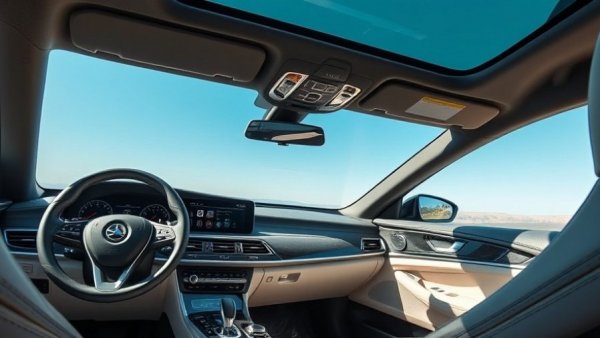
Luxurious car interior with digital dashboard, best cars 2024.

A Look Back at an Exceptional Legacy

In the world of luxury sedans, the Jaguar XF stands as a testament to British craftsmanship and bold design. Even as the market has shifted significantly toward crossovers, the XF has maintained a unique appeal that goes beyond mere specifications. Designed by the talented Sir Ian Callum, who led Jaguar's design team, the XF features stunning aesthetics that still capture admiration years after its initial debut. While Jaguar ultimately ceased production of the model after the 2024 model year, this moment in automotive history deserves recognition, especially as we witness the transformation of the industry today.

Timeless Design That Speaks Volumes

The Jaguar XF’s design remains striking, with a front fascia characterized by an oversized trapezoidal grille and ultra-slim LED headlights that create a confident presence on the road. The unique "Double J Blade" daytime running lights add a signature touch that has become synonymous with the brand. At the rear, the sleek lines and gloss black trim mirror the sophistication of the front, maintaining an aesthetic balance not easily matched by competitors.

Despite not showcasing its exhaust tips, a choice that could polarize opinions, the XF distinguishes itself through elegance and performance. This minimalist approach is reflective of the broader trend towards cleaner, more integrated designs in modern luxury vehicles. Elements such as the refined bodywork and meticulously crafted interior underscore why the XF has been celebrated as more than just a car; it’s an experience that engages all senses.

Performance That Meets Expectations

The 2024 Jaguar XF, despite its limited powertrain options, proves that performance doesn’t always equate to excessive horsepower. Offered in the P250 and P300 trims, the XF is powered by a 2.0-liter turbocharged inline-four engine. The P250 version, achieving 246 horsepower with rear-wheel drive, balances performance and luxury effectively. Meanwhile, the P300 variant, featuring all-wheel drive, offers a moderate boost to 296 horsepower, fully satisfying those who crave an exhilarating driving experience.

Equipped with an eight-speed automatic transmission, the XF delivers a smooth driving experience, affirming Jaguar's commitment to blending luxury with dynamic driving capability—all essential considerations for potential buyers evaluating the best cars of 2024. The driving comfort provided by the XF is further enhanced by advanced suspension systems that absorb road imperfections, making it equally suitable for both city traffic and long highway journeys.

The Changing Landscape of Luxury Vehicles

The declining market share of the Jaguar XF mirrors broader trends within the automotive industry, where sedans compete for attention against the ever-growing allure of SUVs and crossovers. In 2024, many consumers prioritize car technology features, real-world fuel efficiency, and safety ratings in their decision-making process. Consequently, understanding this shift is invaluable for car enthusiasts and potential buyers alike, as it defines the landscape of vehicle offerings today.

For those considering entering the luxury sedan market, the XF serves as a reminder of the struggles that even iconic brands face in adapting to evolving consumer demands. Features such as comprehensive infotainment systems, driver-assist technologies, and sustainable materials are now as crucial as horsepower, pushing manufacturers to innovate continuously to remain competitive.

Lessons from a Discontinued Model

Reflecting on the Jaguar XF also presents an opportunity to contemplate the evolution of automotive market strategies. As manufacturers shift focus to electrification and hybrid technologies, luxury sedans like the XF offer insights into what features will remain desirable: quality craftsmanship, enduring design, and a thrilling driving experience. The XF's legacy is not just relegated to its production years; it serves as a case study for understanding consumer desires and expectations in a fast-evolving industry.

This model's story illustrates how the car market's dynamics continue to evolve and intertwine with broader social and economic trends. Issues such as environmental impact are now at the forefront of consumer consideration, leading to increasing demand for electric and hybrid vehicles. As Jaguar and other manufacturers navigate these shifts, they must balance the heritage of classic designs with the innovations required for 21st-century drivers.

Looking Forward: What’s Next for Automotive Enthusiasts?

As we look ahead, the car market continues to see trends toward electric vehicles and improved fuel efficiency. With over 2 million electric vehicles projected to be sold annually by 2030 in the U.S. alone, understanding the balance between performance and sustainability will be vital for both buyers and manufacturers. Analyzing newer models through reliable car reviews and ratings will be crucial for prospective buyers, particularly those weighing options across luxury and performance segments.

The shift toward electric vehicles may prompt a reevaluation of what luxury means in the context of automotive transportation. Battery range, charging infrastructure, and advanced technologies are likely to become benchmarks by which cars are judged, possibly overshadowing traditional performance metrics such as horsepower.

In conclusion, while the Jaguar XF may no longer be in production, its influence on the luxury sedan market remains palpable. It illustrates a chapter in automotive history worth celebrating, while also reminding us of the importance of thoughtful design and performance even amidst shifting market dynamics. This exploration invites readers to reflect on the implicit values encapsulated in vehicles like the Jaguar XF. To best appreciate the vehicle's impact and the future of car ownership, it’s important to stay informed about not only trends but also about car maintenance insights, ownership costs, and technology advancements.
automotive knowledge

1 Views

0 Comments

Write A Comment

*
*
Please complete the captcha to submit your comment.
Related Posts All Posts
11.20.2026

Chrysler Unveils 2027 Pacifica's Unique Copperline Design Package

Update Introducing the Copperline Package for the 2027 Chrysler Pacifica The 2027 Chrysler Pacifica is getting a makeover that goes beyond just updated body styling; it’s introducing a fresh appearance package that truly enhances its visual appeal. Unveiled at the Los Angeles Auto Show, the Copperline package offers a warm and inviting touch to the Pacifica's aesthetic, marking a significant departure from the traditional chrome finishes of its predecessors. This new offering exemplifies Chrysler's commitment to stay relevant in a highly competitive market, where consumers increasingly seek personalization in their vehicles. Distinctive Features of the Copperline Package One of the standout features of the new Copperline package is the eye-catching, copper-tinted 20-inch alloy wheels. This aesthetic choice aligns with Chrysler’s shift towards more personalized and distinctive vehicle offerings, appealing to families who desire more than just a utilitarian design in their minivans. The unique wheel design not only enhances the Pacifica's profile but also captures attention in crowded parking lots, making it a visually appealing option for buyers who want their vehicle to stand out. Accompanying the unique wheel design, copper accents are also present on the front and rear fascias, as well as the mirror caps, which altogether lead to a cohesive and attractive look. This package not only stands out but lends a personality to the Pacifica, differentiating it from other family vehicles that may prioritize functionality over style. Inside the Copperline: A Warm Interior Experience Step inside the Copperline-equipped Pacifica, and the attention to detail continues with copper stitching across luxurious Nappa leather seating. Available in both the Limited and Pinnacle trims, this interior upgrade aims to create a cozy atmosphere, perfect for long trips with family. The choice of materials elevates the travel experience, ensuring comfort while maintaining a stylish aesthetic. The metallic accents encompassing the dashboard and vents further contribute to the cabin’s appeal, making it a pleasant environment for drivers and passengers alike. When considering practicality, buyers also have the option to select the Ski Grey interior. This alternative provides a refreshing contrast, giving the cabin an airier feel, which might matter more on a long road trip than what color the mirror caps are. It blends functional design with style, enabling families to customize their ride according to their preference while appealing to those who appreciate a brighter, lighter atmosphere in their vehicle. Understanding the Pricing Structure With the introduction of the Copperline package, buyers should be aware of its premium pricing: $1,995 for the Limited and $995 for the Pinnacle trim. While Ski Grey adds a mere $295 for Select and Limited trims, the decision largely hinges on one’s aesthetic preference versus mere functionality. It’s essential for potential buyers to carefully consider which features align best with their lifestyle and whether the visual distinction offered by the Copperline justifies its higher price tag. If visual distinction is a key selling point, the Copperline stands as a strong contender, adding both value and style to an already practical vehicle. The Market Response and Impact on the Automotive Landscape As automakers seek to appeal to an evolving consumer base, the manner in which vehicles are showcased has transformed. The Pacifica's Copperline package is part of a broader trend towards customization in the automotive industry. Families are no longer just looking for a reliable minivan; they want a vehicle that reflects their identity and meets their needs aesthetically and functionally. As the largest automobile industry in the world continues to grow, innovations in design and personalization are crucial. This effort aligns closely with what consumers today desire: individuality. Consequently, offering unique packages like Copperline not only enhances consumer choice but also strengthens brand loyalty, keeping Chrysler top-of-mind when consumers consider their next vehicle purchase. Future Predictions: What Lies Ahead for Chrysler The strategic offerings like the Copperline package indicate Chrysler’s adaptability in the ever-evolving automotive market. As consumer expectations shift toward experience and visual identity, brands that manage to successfully marry function with unique design—much like the Copperline—will likely thrive. The automotive landscape is becoming increasingly saturated with options, requiring manufacturers to distinguish themselves beyond traditional specifications. Such moves can potentially position Chrysler favorably against the biggest car manufacturers globally, keeping it relevant as consumer tastes continue to evolve. The focus on personalizing family vehicles could also lead to further innovations and specialty packages in the future, catering to diverse preferences. Conclusion: Making an Informed Decision Ultimately, whether to opt for the visual-centric Copperline package or the more practical Ski Grey interior boils down to personal preferences and lifestyle needs. As Chrysler opens orders for both options before the end of 2026, potential buyers should weigh these choices carefully based on how they envision their family vehicle. Embracing the charm of a stylish van could add flair to dreary school pickups without sacrificing practicality. As consumers look to invest in durable vehicles that suit both aesthetic desires and functional family needs, the Copperline package provides an interesting new option worth considering. Stay informed about further updates regarding the 2027 Pacifica and other stunning innovations in the automotive sector by subscribing to automotive industry newsletters. You won’t want to miss out on the latest trends and offerings as they emerge, helping you make the best choices for your family's driving needs.

11.20.2026

Exciting Features of the 2027.5 Volkswagen Golf GTI Rabbit Edition

Update Rediscovering the Volkswagen Golf GTI Rabbit Edition The 2027.5 Volkswagen Golf GTI Rabbit Edition arises from nostalgia and modern engineering brilliance. This limited-run model, exclusively available in the U.S., strategically finds its place nestled between the GTI S and SE trims while incorporating advanced features typically associated with the high-performance Golf R. For many automotive enthusiasts, the return of the Rabbit badge signifies not just another model release but a revival of a beloved automotive icon that has left a lasting impression on driving culture. Performance that Matters At the core of the Rabbit Edition is Volkswagen’s DCC adaptive damping system, which allows drivers to switch between comfort and sport modes seamlessly. This adjustment is crucial for enthusiasts who desire a capable all-rounder, adept for weekday commutes as well as spirited weekend drives. Imagine taking on a winding road where the vehicle's damping adjusts to the terrain, softening shocks from potholes while maintaining precision in turns. This adaptability is paramount, ensuring that drivers can enjoy the thrill of performance without sacrificing daily usability. A Design that Honors History The return of the Rabbit badge might reminisce back to the first American-market GTI introduced in 1982, yet the Rabbit Edition sports a stylish contemporary aesthetic. Gone are the red accents of the traditional GTI; in their place are bold black trims reminiscent of the Golf R's Black Edition. The standout appearance in the Dark Moss Green Metallic finish, a color borrowed from Europe’s GTI Edition 50, is sure to attract admiring looks on the road. This choice of color not only adds a unique flair but also connects the modern vehicle to its historical roots, appealing to both old fans and new buyers alike. Equipped for Enthusiasts This special edition boasts features that cater not only to nostalgic feelings but also to driving aficionados. It includes larger 19-inch wheels shod with summer performance tires, elevating the overall sporty feel. Owners can look forward to exceptional grip and road feedback, enhancing their driving experience on every journey. With the Golf GTI Rabbit Edition, Volkswagen embraces a philosophy that recognizes driving as an experience rather than just a means of transportation, thus creating a vehicle that is equally at home on a racetrack or cruising city streets. The Technological Edge In an age where technology plays a pivotal role in vehicle design, the Rabbit Edition does not fall short. Equipped with advanced infotainment systems and connectivity features, drivers can enjoy seamless integration with smartphones for navigation, music, and hands-free communication. This focus on technology enhances the driving experience further, making it both enjoyable and convenient. The shift toward tech-savvy features reflects a broader trend in the industry, where buyers are increasingly seeking vehicles that offer not just performance but also cutting-edge technology. What Pricing Might Reveal Volkswagen plans to unveil pricing details closer to the launch, set for the second quarter of 2027. The positioning of this model in the GTI lineup will be crucial—set too high, it may alienate budget-conscious enthusiasts; too low, and it might undermine its sporty image. The pricing structure of the Golf GTI remains a topic of keen interest given the competitive automotive landscape, making this edition a potential sweet spot for performance enthusiasts. As the market embraces electrification and alternative powertrains, the traditional combustion vehicles like the GTI Rabbit Edition represent a nostalgic yet practical option for buyers who appreciate an engaging driving experience. Comparative Insights: The Competition The automotive industry has seen plenty of remarkable advancements and new entrants in recent years. The largest automobile industries include giants like Toyota and Volkswagen, both renowned for producing vehicles that exhibit quality and performance. Furthermore, Volkswagen faces competition from dynamic newcomers that leverage modern technologies and trends—brands that understand the millennial and Gen Z markets. As we enter a new era of electrification and innovation, established players face increased pressure from tech-savvy newcomers. For enthusiasts, the integration of the VW Golf's rich heritage within advanced models like the Rabbit Edition offers a sign of hope that driving pleasure will continue thriving. Rivals may produce vehicles that boast advanced tech, but the emotional connection that the Rabbit badge evokes cannot be overlooked. Potential Impact on the Market The reintroduction of the Rabbit badge in such a state-of-the-art package opens discussions about what consumers value in today’s automotive world. In recent years, there's been a noteworthy shift towards performance and technology adoption in traditional models. As automakers explore new technologies, it raises questions about which brands will connect to the next generation of drivers. Volkswagen's embrace of history paired with innovation could set a precedent for how performance vehicles are positioned in the marketplace. The Rabbit Edition might influence competitors to strike a similar balance between innovation and heritage, which could lead to an exciting new wave of vehicles that pay homage to classic designs while incorporating modern capabilities. Conclusion: Driving Into the Future The 2027.5 Volkswagen Golf GTI Rabbit Edition brings together the essence of prior generations while integrating the necessities of modern performance. Its expected arrival at dealerships infuses excitement for enthusiasts eager to experience both nostalgia and cutting-edge performance under the iconic Rabbit badge. Those interested in pursuing a vehicle that embodies both heritage and contemporary advancements should keep an eye on this limited edition—it could indeed be the enthusiast's dream machine. As the automotive landscape continues to evolve, the Rabbit Edition stands as a testament to Volkswagen’s commitment to blending past and future, ensuring that the joy of driving remains alive and well for generations to come.

11.19.2026

Waymo's Freeway Ban: Implications for the Future of Autonomous Vehicles

Update The Current State of Autonomous Driving Regulations California's recent decision to temporarily ban Waymo's driverless cars from the state’s freeways has raised important questions about the future of autonomous driving. The ban, imposed by the California Department of Motor Vehicles (DMV), followed two safety incidents involving Waymo vehicles. In both cases, the cars failed to respond appropriately to construction zones and police maneuvers, which highlights the limitations still present in current autonomous technologies. Understanding the Incidents: What Went Wrong? The incidents in the Bay Area, where Waymo cars drove into an active construction zone and attempted to circumvent police traffic control, showcase a critical gap in the vehicles’ ability to interpret changing road conditions. Unlike static lane markings, recognizing temporary alterations in road usage demands a higher level of situational awareness that autonomous systems have yet to fully master. As we assess these failures, it's crucial to consider how often human drivers themselves misjudge such situations. While humans can intuitively react to changes, autonomous vehicles depend heavily on encoded data and pre-defined algorithms that may not encompass all real-world variables. Waymo's Response: A Shift Toward Cautious Testing In light of the incidents, Waymo has proactively suspended its autonomous freeway operations in all markets and plans to conduct tests with trained specialists at the wheel. This cautious approach underlines the company's commitment to safety, albeit it raises questions about the robustness of its technology. Waymo's actions included a thorough review of its vehicles' software systems and hardware configurations to identify how they can better interact with dynamic environments, particularly in urban settings where many variables constantly shift. Waymo has emphasized that the road to perfection involves rigorous testing and adapting to feedback from real-world experiences. The company aims to address the challenges that arose during these incidents before reintroducing freeway operations. Thus, for riders who used to enjoy autonomous freeway journeys, this change means a return to a strictly local driving experience for the foreseeable future. Industry Trends: Where Does California Stand in Autonomous Driving? California has long been a leader in autonomous technology development. Historically, the state has served as a testing ground for various tech giants and startups alike striving to innovate in the self-driving sector. However, the state's regulatory landscape is tightening as officials prioritize safety amid rapid technological advancement. This shift reflects a broader trend across the United States where lawmakers and regulators are increasingly scrutinizing self-driving technology to prevent accidents and ensure public safety. In the wake of various incidents involving autonomous vehicles, California's DMV has signaled that while embracing innovation, there is an urgent need for accountability and proper oversight. The DMV's decision reflects not just local concerns but resonates nationwide, prompting other states to reconsider their regulations concerning autonomous vehicles. The Bigger Picture: How This Impacts the Automotive Industry Waymo’s suspension raises significant discussions about the competitive landscape of the automotive industry, particularly regarding autonomy. As the largest automobile manufacturers in the world, traditional producers such as Ford and General Motors are investing heavily in developing their own autonomous technologies. The competitive pressure mounts as they closely monitor Waymo's operations, given that the regulatory turbulence may influence their strategies and timelines for rolling out driverless vehicles. The automotive sector is evolving rapidly, with traditional automakers recognizing the necessity of aligning with new technological advances. Companies are encouraged to collaborate and innovate responsibly; thus, the implications of Waymo's temporary ban become crucial for all players in the market. The race for autonomy and safety highlights the need for historical practices to adapt to cutting-edge technologies. Future Predictions: The Road Ahead for Autonomous Vehicles Going forward, the success of autonomous vehicle deployment will likely hinge on continuous advancements in machine learning and artificial intelligence. These technologies must focus on the nuances of real-world driving ranging from complex urban landscapes to minimizing errors in construction situations. Furthermore, companies will need to invest in comprehensive testing methodologies—validating their technologies not just in ideal conditions but also under the myriad unpredictable scenarios that occur in real-world driving. Collaboration between tech companies and regulatory bodies will be fundamental in creating comprehensive testing strategies and guidelines that ensure the safety of both autonomous vehicles and human drivers alike. Public Safety and Perception: A Fine Balance The balance between innovation and public safety in the autonomous vehicle sector is delicate. Regulatory bodies must adapt to emerging technologies while protecting consumers from potential hazards. As they do so, they should also engage with the broader public to enhance transparency and trust in these technologies. Continuous dialogue regarding the benefits and risks associated with autonomous driving will enable a more informed public. Public perception plays a pivotal role in how autonomous vehicles will be adopted. It is vital that people feel confident in the safety and reliability of self-driving cars. Companies like Waymo must not only work on improving their technology but also on fostering community awareness and understanding of how these vehicles operate. Conclusion: The Road to Safer Autonomous Driving As Waymo and other companies navigate the complexities of autonomous vehicle regulation, it is essential that they prioritize safety, adaptability, and transparency. The incidents leading to California’s ban serve as stark reminders that while we may be advancing toward a driverless future, there is still much work to be done to ensure that such technology can effectively and safely coexist with human drivers. It calls for a collaborative effort between regulators, technology developers, and the community to pave the way for the widespread adoption of these groundbreaking innovations. In this ever-evolving landscape, only through collective effort will we find a path that balances innovation with the essential need for safety.

cropper
update
WorldPulse News
cropper
update

Write a small description of your business and the core features and benefits of your products.

  • update
  • update
  • update
  • update
  • update
  • update
  • update

COMPANY

  • Privacy Policy
  • Terms of Use
  • Advertise
  • Contact Us
  • Menu 5
  • Menu 6

408-903-0493

AVAILABLE FROM 8AM - 5PM

City, State

, ,

ABOUT US

Write a small description of your business and the core features and benefits of your products.

© 2026 CompanyName All Rights Reserved. Address . Contact Us . Terms of Service . Privacy Policy

Terms of Service

Privacy Policy

Core Modal Title

Sorry, no results found

You Might Find These Articles Interesting

T
Please Check Your Email
We Will Be Following Up Shortly
*
*
*