


The Current State of Autonomous Driving Regulations
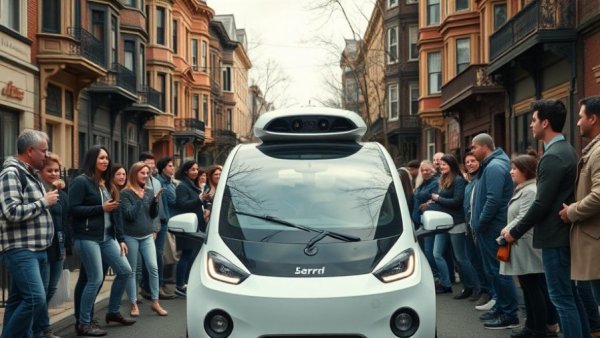
California's recent decision to temporarily ban Waymo's driverless cars from the state’s freeways has raised important questions about the future of autonomous driving. The ban, imposed by the California Department of Motor Vehicles (DMV), followed two safety incidents involving Waymo vehicles. In both cases, the cars failed to respond appropriately to construction zones and police maneuvers, which highlights the limitations still present in current autonomous technologies.
Understanding the Incidents: What Went Wrong?
The incidents in the Bay Area, where Waymo cars drove into an active construction zone and attempted to circumvent police traffic control, showcase a critical gap in the vehicles’ ability to interpret changing road conditions. Unlike static lane markings, recognizing temporary alterations in road usage demands a higher level of situational awareness that autonomous systems have yet to fully master. As we assess these failures, it's crucial to consider how often human drivers themselves misjudge such situations. While humans can intuitively react to changes, autonomous vehicles depend heavily on encoded data and pre-defined algorithms that may not encompass all real-world variables.
Waymo's Response: A Shift Toward Cautious Testing
In light of the incidents, Waymo has proactively suspended its autonomous freeway operations in all markets and plans to conduct tests with trained specialists at the wheel. This cautious approach underlines the company's commitment to safety, albeit it raises questions about the robustness of its technology. Waymo's actions included a thorough review of its vehicles' software systems and hardware configurations to identify how they can better interact with dynamic environments, particularly in urban settings where many variables constantly shift.
Waymo has emphasized that the road to perfection involves rigorous testing and adapting to feedback from real-world experiences. The company aims to address the challenges that arose during these incidents before reintroducing freeway operations. Thus, for riders who used to enjoy autonomous freeway journeys, this change means a return to a strictly local driving experience for the foreseeable future.
Industry Trends: Where Does California Stand in Autonomous Driving?
California has long been a leader in autonomous technology development. Historically, the state has served as a testing ground for various tech giants and startups alike striving to innovate in the self-driving sector. However, the state's regulatory landscape is tightening as officials prioritize safety amid rapid technological advancement. This shift reflects a broader trend across the United States where lawmakers and regulators are increasingly scrutinizing self-driving technology to prevent accidents and ensure public safety.
In the wake of various incidents involving autonomous vehicles, California's DMV has signaled that while embracing innovation, there is an urgent need for accountability and proper oversight. The DMV's decision reflects not just local concerns but resonates nationwide, prompting other states to reconsider their regulations concerning autonomous vehicles.
The Bigger Picture: How This Impacts the Automotive Industry
Waymo’s suspension raises significant discussions about the competitive landscape of the automotive industry, particularly regarding autonomy. As the largest automobile manufacturers in the world, traditional producers such as Ford and General Motors are investing heavily in developing their own autonomous technologies. The competitive pressure mounts as they closely monitor Waymo's operations, given that the regulatory turbulence may influence their strategies and timelines for rolling out driverless vehicles.
The automotive sector is evolving rapidly, with traditional automakers recognizing the necessity of aligning with new technological advances. Companies are encouraged to collaborate and innovate responsibly; thus, the implications of Waymo's temporary ban become crucial for all players in the market. The race for autonomy and safety highlights the need for historical practices to adapt to cutting-edge technologies.
Future Predictions: The Road Ahead for Autonomous Vehicles
Going forward, the success of autonomous vehicle deployment will likely hinge on continuous advancements in machine learning and artificial intelligence. These technologies must focus on the nuances of real-world driving ranging from complex urban landscapes to minimizing errors in construction situations.
Furthermore, companies will need to invest in comprehensive testing methodologies—validating their technologies not just in ideal conditions but also under the myriad unpredictable scenarios that occur in real-world driving. Collaboration between tech companies and regulatory bodies will be fundamental in creating comprehensive testing strategies and guidelines that ensure the safety of both autonomous vehicles and human drivers alike.
Public Safety and Perception: A Fine Balance
The balance between innovation and public safety in the autonomous vehicle sector is delicate. Regulatory bodies must adapt to emerging technologies while protecting consumers from potential hazards. As they do so, they should also engage with the broader public to enhance transparency and trust in these technologies. Continuous dialogue regarding the benefits and risks associated with autonomous driving will enable a more informed public.
Public perception plays a pivotal role in how autonomous vehicles will be adopted. It is vital that people feel confident in the safety and reliability of self-driving cars. Companies like Waymo must not only work on improving their technology but also on fostering community awareness and understanding of how these vehicles operate.
Conclusion: The Road to Safer Autonomous Driving
As Waymo and other companies navigate the complexities of autonomous vehicle regulation, it is essential that they prioritize safety, adaptability, and transparency. The incidents leading to California’s ban serve as stark reminders that while we may be advancing toward a driverless future, there is still much work to be done to ensure that such technology can effectively and safely coexist with human drivers. It calls for a collaborative effort between regulators, technology developers, and the community to pave the way for the widespread adoption of these groundbreaking innovations. In this ever-evolving landscape, only through collective effort will we find a path that balances innovation with the essential need for safety.





Write A Comment