


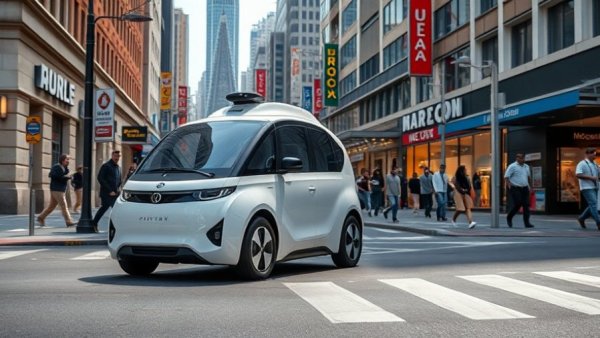
The Shift Toward Edge AI in Automotive
As the automotive industry grapples with changing technological landscapes, a significant shift is underway in how automakers allocate their resources and budgets. By 2027, more and more of these companies are turning their attention to edge AI, a vital element in enhancing the performance and safety of autonomous vehicles. The importance of this transition resides not only in improving efficiency but also in addressing pressing safety concerns and operational challenges that automakers face today. Why the shift? Part of the answer can be found in recent reports from major players such as Mobileye and NVIDIA. These companies are reporting impressive revenue growth, even as the wider market experiences overall declines, suggesting that investing in onboard computing technology might be the way forward for the future of transportation.
Understanding Edge Computing in Automobiles
The integration of edge AI technology is transforming the way vehicles operate and interact with their environments. A prime example is the situation faced by Cruise's fleet of robotaxis, which found themselves at a standstill when their network connections were disrupted during trial runs. To address such vulnerabilities, companies like NVIDIA are providing advanced computing platforms, such as the DRIVE AGX Thor, designed to process vast quantities of data from onboard sensors like cameras, radar, and lidar quickly and efficiently. This architecture prioritizes real-time decision-making, a crucial aspect of ensuring safety and reliability in autonomous driving.
Engineers are emphasizing the significance of having computing power directly on the vehicle to tackle challenges around latency and safety. With NVIDIA's DRIVE Hyperion, setups can reach impressive levels of processing power, making it ideal for self-driving applications. This integrated approach means data does not have to travel over potentially unreliable networks, further enhancing the vehicle's capability to make split-second decisions that are crucial for safe operation. It's no wonder that automotive revenue for NVIDIA has skyrocketed, reflecting the industry's demand for cutting-edge solutions.
Rising Fiscal Contributions in the Automotive Sector
Alongside NVIDIA, Qualcomm's foray into automotive technology exhibits a parallel success story. With expectations to reach $10 billion in automotive revenue by fiscal 2029, Qualcomm's Snapdragon Ride chips are being adopted across millions of vehicles. This achievement illustrates a wider trend suggesting that as more automakers introduce autonomy features, the overall demand for onboard computing solutions will continue to rise, necessitating a detailed understanding of how these technologies can be integrated into various vehicle models.
However, this shift isn't solely a race towards enhanced autonomy capabilities. Established companies like Bosch are also making significant moves, incorporating advanced technology into their new vehicle offerings. By 2028, expect to see these solutions in mainstream consumer vehicles, bridging the gap between high-end tech and everyday use. This advancement means more accessible and efficient safety features for everyday consumers, enhancing their driving experience and confidence in autonomous technologies.
Challenges and Industry Concerns
While the financial reports are encouraging, the industry's transition to edge AI is not without its obstacles. Latency, fault tolerance, and power consumption are all critical elements that engineers must navigate. Hitesh Garg from NXP Semiconductors noted that the future architecture of vehicles will function similarly to a nervous system. This means a central AI computer will guide decisions, and distributed processors will respond instantaneously, necessitating reliable communication and robust systems that won't falter during critical situations. These intricate dynamics demand careful planning and strategic investments from automakers and suppliers alike.
Furthermore, as the industry evolves, the pressure mounts on manufacturers to prioritize safety and trustworthiness in their systems. The vehicles of the future can’t have an 'undo' button — crucial because the stakes are higher when autonomous drive systems are in play. This urgent need for reliability is pushing automakers to invest not just in technology but also in comprehensive testing phases and regulation compliance, ultimately shaping the trust consumers may have in emerging autonomous vehicle technologies.
Understanding The Broader Implications
Beyond immediate market trends, the embrace of edge AI technologies foreshadows broader implications for the automotive landscape. This transition aligns with larger technological advancements, anchoring the industry's shift towards smarter, more connected vehicles. As edge computing becomes integral, vehicles will not only communicate more effectively with one another but also with roadside infrastructure, leading to advanced safety features that can predict and react to dangers with higher precision. This could significantly reduce accident rates and create smoother traffic flows, contributing positively to urban mobility.
The push towards self-driving technology also opens the door to new business models in the automotive sector. Companies that adapt quickly may find themselves well-positioned to lead in future markets, reflecting the value of not just keeping pace with technology but embracing it. For instance, subscription services for advanced features and real-time updates could become the norm, paralleling trends from the software industry and reshaping consumer expectations.
Conclusion: Driving Towards the Future
The overall trend towards edge computing in autonomous vehicles presents both opportunities and challenges. As automakers invest more in onboard technology, the automotive industry is on the verge of a transformative era where safety and efficiency rise to the forefront of vehicle design and function. It’s an era that prioritizes not just the capabilities of machines but the real human experiences of their users. It's essential for industry insiders — from dealership executives to automotive technicians — to stay updated on these shifts, gaining insider tips that can guide decisions in the rapidly evolving automotive market. Understanding the growing integration of edge AI can not only enhance car maintenance and safety but also aid in positioning oneself advantageously in a competitive landscape, ultimately leading to a safer and more connected driving future.







Write A Comment