
cropper
update
AutoInsiders
update
  • Home
  • Categories
    • insider tips
    • expert reviews
    • industry trends
    • automotive knowledge
    • car insights
    • vehicle advice
    • maintenance tips
    • buying guides
    • market analysis
    • performance reviews
November 25.2026
4 Minutes Read

Maximize Your Ute’s Efficiency: Explore Service Body Options Now

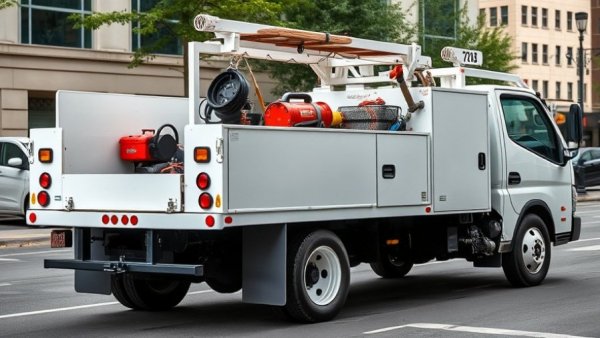
Utility truck with service body options on city street.

Understanding the Importance of Ute Service Bodies

In the world of trades, having the right tools secure and organized can greatly enhance productivity. A ute—a versatile utility vehicle—plays an integral role in this, particularly when equipped with a well-structured service body. Unlike traditional flat trays, service bodies come with built-in storage systems that make it easier to manage tools and equipment effectively. This is not just about convenience; it’s about ensuring that you have everything you need right where you need it, which can significantly reduce delays and improve workflow.

What Exactly Is a Ute Service Body?

A ute service body replaces the standard tray with a custom-designed structure, featuring compartments, shelves, and drawers for maximum organization. These bodies transform a ute into a mobile workspace tailored for various trade needs, making them indispensable for tradies, fleet managers, and business owners alike. With a service body, each tool and piece of equipment has its designated space, reducing the risk of accidents and damage while on the job.

Key features of ute service bodies include:

  • Lockable Compartments: Protect valuable tools from theft and adverse weather, ensuring they are safe and easily accessible.
  • Organized Layouts: With dedicated spaces for every item, workers can find what they need quickly, minimizing downtime.
  • Flat Load Area: Many designs maintain a usable surface for larger objects, enhancing flexibility for transporting heavy loads.

Choosing the Right Cab Style for Your Needs

When selecting a service body, the cab style of the ute will significantly influence your choice. Different configurations cater to varying passenger capacities and storage needs. Here’s a breakdown of popular cab styles:

  • Single Cab: Offers the maximum storage space with the capability to carry heavyweight items without issue, making it ideal for carrying long tools and significant equipment.
  • Extra Cab: A balance between passenger capacity and tray length, ideal for those who need space for both tools and extra gear, accommodating additional tools without sacrificing storage space.
  • Dual Cab: Provides seating for a full crew, yet requires careful planning to maximize storage in the reduced tray area, as every inch counts while organizing gear.

Exploring Popular Service Body Configurations

The right layout can facilitate efficiency during work across different trades. Below are some popular configurations to consider:

  • Drop-side Bodies: Enable easy loading of long items by folding down sides, which is especially useful for trades that involve heavy or awkward materials.
  • Full-height Compartments: Utilize vertical space effectively, making them ideal for ample equipment storage, keeping tools organized and readily available.
  • Under-tray Storage: Boxes beneath the tray optimize surface usage while offering additional space for tools, allowing for a more organized loadout of gear.
  • Mixed Layouts: Craft a customized balance with drawers and open space combined, catering to specific job needs and preferences.
  • Canopy-style Bodies: Protect gear from the elements while adding a clean aesthetic to the vehicle, often preferred in trades that require equipment to be safeguarded from rain and dust.

Efficient Storage Layouts for Quick Access

The layout of storage directly impacts productivity on the job. Factors to consider in organizing a ute service body include:

  • Tool Types and Sizes: Assess your tools to ensure compartments are adequately sized for each item, enabling efficient usage of space.
  • Access Frequency: Position frequently used tools at accessible heights and depths to save time, creating a seamless workflow during busy days.
  • Weight Distribution: Ensure that loads are evenly balanced to maintain vehicle stability on the road, which is crucial for safety during transit.

Customization: Tailoring Your Service Body for Specific Needs

Customization options can enhance safety and efficiency. Simple additions like ladder racks or toolboxes can offer improved functionality tailored to specific trades. Utilizing accessory options allows each service body to align with individual organizational needs, ultimately maximizing utility and convenience. Moreover, accessories such as tailgate extenders or adjustable shelving can further optimize the workspace, making it easier to adapt to various tasks.

Real-World Impact: Cost Savings and Efficient Operations

Choosing the right ute service body configuration helps decrease search time for tools, improve safety, and prevent damage—benefits that translate into substantial cost savings over time. For fleet managers and business owners, the initial investment in a quality service body often pays off through increased efficiency and employee satisfaction. By streamlining the search and retrieval process, teams can focus more on completing tasks rather than hunting for supplies. This improved workflow not only enhances individual productivity but can also lead to positive impacts on overall project timelines and customer satisfaction.

Insights from Automotive Experts

Insider tips from experienced automotive technicians emphasize the importance of matching service body options with the specific needs of the industry. Consulting with automotive experts when selecting the right configuration can prevent future headaches and ensure that the service body meets both immediate and long-term operational demands. They often suggest trying to visualize daily operations and even seeking feedback from the team on what layout could best serve their unique job functions.

Concluding Thoughts on Choosing Ute Service Bodies

Understanding and exploring ute service body options is crucial for anyone in the trades or fleet management business. A proper service body can revolutionize your workspace, providing tailored organizational solutions that enhance performance. By investing time in researching and selecting the right configuration, you will not only optimize your vehicle but also enhance your productivity on the job site. In an industry where time is often money, a well-organized ute is a significant asset that can lead to more efficient workdays and better overall outcomes.


insider tips

1 Views

0 Comments

Write A Comment

*
*
Please complete the captcha to submit your comment.
Related Posts All Posts
11.25.2026

Who Is Liable for Accidents Where Delivery Vehicles Block Pedestrian Views?

Update Understanding Pedestrian Safety Amid Heavy TrafficAs cities evolve and adapt to increasing populations and business activities, the mix of delivery vehicles and pedestrian traffic presents significant safety challenges. Fresno, California, with its busy intersections and commercial areas, is a prime example where these challenges manifest. Notably, the intersection of Blackstone Avenue and Shaw Avenue is a hotspot for pedestrian activity mixed with delivery traffic. When a delivery vehicle obstructs a pedestrian's view, lives can be impacted in mere seconds. The lingering question remains: who is responsible when such accidents occur, and how can we work together to prevent them?Who Holds Responsibility for Traffic Accidents?Determining responsibility in a pedestrian accident involving a delivery vehicle is not always straightforward. Liability often hinges on whether negligent behavior contributed to the occurrence of an accident. Potentially liable parties may include:Delivery Driver: If the driver parked illegally or failed to ensure pedestrian safety by blocking a crosswalk or important sightlines.Delivery Company: If the company endorsed unsafe practices—such as inadequate training on safe parking or delivery procedures—that lead to accidents.Property Owner: If properties are not adequately maintained, creating hazardous conditions that affect pedestrian safety, such as improper signage or poorly marked crosswalks.Other Motorists: If their actions also contribute to the unsafe environment, such as speeding or aggressive driving that complicates pedestrian visibility.For example, a driver may argue that the pedestrian stepped into traffic suddenly, disregarding their surroundings. Conversely, the pedestrian may assert that the delivery vehicle blocked their primary sightline to oncoming cars, making it impossible to judge safety accurately. This back-and-forth over accountability can complicate investigations and has significant implications for pedestrian safety.California Laws Governing Pedestrian SafetyCalifornia has specific laws aimed at protecting pedestrians and ensuring their safety. The California Vehicle Code § 22500 strictly prohibits stopping or parking on crosswalks, and nearby distance prohibitions exist to enhance visibility at intersections. For instance, vehicles must not park within 20 feet of a crosswalk’s approach side or within 15 feet where a curb extension exists. Moreover, California law mandates that drivers must yield to pedestrians in both marked and unmarked crosswalks, representing a critical aspect of pedestrian rights. Understanding these regulations can empower individuals and shed light on their rights during disputes involving pedestrian injuries.The Role of Comparative Negligence in LiabilityIn California, comparative negligence plays a pivotal role in determining culpability in pedestrian accidents. This system allows for each party involved to share a percentage of blame. Therefore, even if a pedestrian is found to be partly at fault, they may still pursue compensation. For instance, if a pedestrian crosses but a van blocks their view, and the court assesses them as 30% liable, they may still recover 70% of their damages. This legal structure acknowledges the complex dynamics at play in road safety and emphasizes the shared responsibilities of all road users.Preserving Evidence for Your CasePreserving evidence after an accident is instrumental in building a solid case. If an incident occurs, take steps to collect vital evidence:Photographs of the delivery vehicle, crosswalk, and any obstructions can illustrate how the environment contributed to the accident.Details of the vehicle's license plate and company identification can clarify liability and help in filing insurance claims.Contact information from witnesses, as their accounts may provide crucial perspectives to support your case, along with police reports that document the incident.Documentation of medical records and invoices tied to your injuries, which are essential for establishing the financial impact of the accident.Request businesses nearby to retain any surveillance footage, as video may provide crucial evidence for your case. Quick action is advised since recordings may be erased over time.Such evidence not only supports your narrative but can be invaluable during legal proceedings, emphasizing the importance of immediate steps following an accident.Current Trends in Pedestrian Safety Across the U.S.Across the country, pedestrian safety continues to be a pressing issue. The NHTSA reported alarming statistics in 2023, indicating over 7,300 pedestrian fatalities and more than 68,000 injuries related to traffic accidents. These figures underscore the critical need for improved safety measures in urban environments. Strategies to enhance pedestrian safety include enhanced urban planning that prioritizes walkable neighborhoods, improved signage and crosswalk visibility, and the implementation of stricter enforcement of traffic laws concerning delivery vehicles. Community initiatives, such as educational programs aimed at both drivers and pedestrians, could also play a role in reducing these tragic occurrences. The evolving landscape of transportation calls for a collective effort from authorities, delivery companies, and the public to ensure safer streets.Frequently Asked Questions About Pedestrian RightsCan a delivery driver park anywhere to unload?No, delivery drivers must adhere to parking laws and utilize designated loading zones, ensuring no obstruction to pedestrian visibility. These regulations are in place for the safety of all road users.Can I recover damages if I share some fault?Yes, under California’s comparative negligence rules, you may still recover damages even if you were partially at fault, although such recovery might be reduced based on your level of liability, reflecting a fair assessment of blame.Who is responsible for foot traffic injuries?The driver's insurance or the delivery company's commercial policy may cover medical costs and lost wages, contingent on determining liability. The clarity of these responsibilities can impact the resolution of many pedestrian-involved incidents.Conclusion: Know Your Rights and Take ActionThe intertwining responsibilities of drivers, companies, and even property owners highlight the necessity for increased awareness and adherence to pedestrian safety laws. If you find yourself in an accident involving a delivery vehicle blocking a crosswalk, understanding your legal options can be paramount. If you have been injured, consider consulting with a pedestrian accident attorney who can guide you through the complexities of liability and compensation. Awareness and proactivity are vital in keeping yourself and others safe on the road. Your safety and rights should never take a back seat; it's essential to stay informed and vigilant as both a pedestrian and a driver.

11.24.2026

Your Comprehensive Guide to Buying a Used Ford F-150

Update Understanding the Ford F-150’s LegacyThe Ford F-150 has cemented its place as America’s favorite pickup truck for decades, not just for its robust capabilities but for the myriad configurations that cater to a range of needs. With more than 40 years of heritage, this truck has been seen hauling everything from lumber to children, symbolizing dependability and versatility in the automotive world. Given its popularity, the used market is teeming with options, but buyers must tread carefully; two seemingly identical trucks can have significant differences beneath the surface.Identifying Your Needs: Essential Buying ConsiderationsBefore diving into listings, prospective buyers should reflect on their specific requirements. Think about how you plan to use the truck; for instance:Daily commuting: Consider fuel economy and comfort; a 2WD might suffice.Family hauling: Go for the SuperCrew cab, offering ample rear legroom and advanced safety technology suitable for child seats.Regular towing: Look for models with a factory tow package, a stronger engine, and the right axle ratio to support your interests, whether it’s a trailer for a boat, camper, or work equipment.Job site versatility: Durability and a longer bed are critical; a simpler trim can keep maintenance costs low while enduring wear and tear.Rural driving: A 4×4 with good tires is essential for navigating winter conditions, making safety and stability priorities for rural drivers.With so many configurations available, it is advisable to assess multiple model years and configurations side by side. Dealerships like Huntley Ford in Illinois illustrate this variation well, showcasing differences in mileage and engine options among even closely related models. This variation can often reflect how rigorously or lightly a truck has been used, making it vital to practice due diligence during your search.Choosing the Right Trim and EngineAfter establishing your truck's purpose, the next pivotal decision revolves around the engine and trim. Recent F-150 generations boast a variety of powertrains:2.7L EcoBoost V6: A well-balanced choice that provides power and fuel efficiency with great low-end torque, ideal for those looking for a blend of capability and economy.3.5L EcoBoost V6: Known for exceptional towing capacity but watch for cold start noises; an important factor for older models.5.0L V8: Classic performance with a simple maintenance profile, though fuel consumption can be high—best suited for those who prioritize power over fuel savings.3.5L PowerBoost Hybrid (2021+): Offers the best fuel economy in the lineup and has a built-in generator, perfect for outdoor enthusiasts.3.3L V6 (base, through 2023): An economical option, though it has limited towing power, making it suitable for lighter duties.A note: most F-150 models from 2017 onward feature a 10-speed automatic transmission. While it generally performs well, buyers should test drive to ensure there are no harsh or delayed shifts. A fluid driving experience can make a significant difference, particularly if you plan on using your truck for daily tasks.What to Inspect Before Finalizing Your PurchaseWhen you’ve narrowed down your options, a meticulous inspection is crucial, particularly for a vehicle that may have faced rougher conditions than a standard car:Mileage and Service Records: Key IndicatorsReview the truck's history, focusing on service records. Regular oil changes are particularly vital for EcoBoost engines, which are sensitive to oil quality. Be cautious of low mileage on older trucks; if they have been sitting unused for extended periods, this can be a red flag. Consider asking for an independent inspection to gain a clearer understanding of the truck’s condition before making a commitment.Transmission and Drivetrain ChecksPay close attention to the transmission's performance. Shifts should be smooth, whether under light throttle or during full acceleration. Don't forget to test the four-wheel drive; listen for clunking or grinding sounds when engaged. Checking for fluid leaks can also reveal potential issues. It’s wise to take a thorough look under the vehicle for any signs of rust or damage, particularly if you live in areas where roads are salted in winter.Safety and Technology Features to ConsiderToday’s drivers expect advanced safety features, and the Ford F-150 is no exception. Models like the XLT and Lariat come equipped with more comprehensive driver-assist technology. It pays to prioritize these features, especially if you’ll be transporting family or valuable cargo. Features such as lane departure warning, automatic braking, and adaptive cruise control can provide peace of mind and enhance your overall driving experience.Embracing the Future: Trends in the Automotive MarketThe automotive industry is rapidly evolving, with a growing emphasis on sustainability and smarter technology. As electric vehicle options begin to burgeon in the truck segment, it's worth watching the transition closely. Ford is already investing in electric versions of their F-Series trucks, indicating a shift in the market that buyers should be aware of. Transitioning to an electric F-150 could save money on fuel in the long run, even if the upfront costs are higher.Conclusion: Take Action WiselyPurchasing a used Ford F-150 can be a rewarding experience when approached with knowledge and caution. Ensure you evaluate all your needs, examine various models, and conduct thorough inspections. This diligence will not only help avoid pitfalls but will lead to a well-informed purchase that enhances your driving experience—be it for work or leisure.Consider your requirements, consult trusted automotive sources, and don't hesitate to invest time in research to make the best choice that meets your needs. In the world of used pickups, preparation can make all the difference. Whether for rugged outdoor adventures or just smoother daily driving, the right F-150 can be a valuable asset for years to come.

11.24.2026

Discover How Much Data Your Car Collects and Its Hidden Uses

Update How Much Data Does Your Car Really Collect? In today's tech-driven world, the remarkable amount of data collected by our cars is often underestimated. Picture this: a simple drive home includes not just the steering wheel and pedals, but a wealth of information recorded by the vehicle. As you navigate with a paired phone, send texts, or save destinations, a digital footprint is left behind. The amount of data collected varies considerably from vehicle to vehicle and depends on the functionalities offered by the manufacturer. According to a recent study, vehicles can generate upwards of 25 gigabytes of data each hour, significantly more than the average smartphone. Understanding the Types of Data Collected From monitoring conditions to recording fault codes, cars are equipped with numerous sensors that collect an array of data. While certain sensors provide information on speed and engine performance to enhance driver safety, not all readings are stored. For instance, while wheel speed helps in braking, it doesn’t mean this data is logged permanently in the vehicle's system. In contrast, a car’s navigation system may keep a record of frequently visited locations, or even contacts stored from a paired phone, highlighting different privacy implications depending on how this information is managed and stored. The Role of Data in Diagnostics Fault codes, specifically, serve a critical diagnostic role for mechanics. These codes offer snapshots of the vehicle's condition at the moment the warning light triggered. While they don’t provide a comprehensive overview of a car's mechanical state, they allow technicians to narrow down potential problems during vehicle analysis, helping them pinpoint issues without unnecessary delays. For example, rather than guessing the cause of an engine malfunction, mechanics can consult these codes to understand if there is an issue with a specific part, such as a sensor or valve. Your Car's Black Box: What It Reveals The so-called 'black box' in your car, akin to what is found in airplanes, has a focused role. It records key details before, during, and immediately after a crash. This includes variables such as driver inputs, speed, forces involved at the time of impact, and deployment of airbags. However, unlike popular belief, it doesn’t retain audio or video footage of the events leading to an accident, and each car's system has unique recording protocols. Understanding this functionality can aid drivers in knowing how much information is available post-incident, as well as how it can be utilized by insurance companies and law enforcement in case of emergencies. Privacy Implications of Automotive Data Collection As our vehicles gather more data about us, concerns around privacy grow. While manufacturers often state that data is used primarily for safety and performance enhancements, many consumers may feel uneasy about how much of their personal information is stored and potentially shared with third parties. What’s more, the European Data Protection Board advocates that data processing should ideally take place within the vehicle. This suggestion emphasizes that sensitive information, such as travel history and personal contacts, should not be automatically uploaded to external servers, reducing the risk of privacy breaches that could arise from data mismanagement. Insights for Car Owners: Protecting Your Data Being informed about the type of data collected by your vehicle is essential for every car owner. For those interested in minimizing data exposure, it is advisable to be cautious with permissions granted to apps and connected services. Regularly reviewing the privacy settings on your vehicle’s user interface and understanding what types of data are shared with manufacturers can empower you as a car owner. Additionally, drivers should also check if their vehicles offer features that allow them to deactivate data collection when not needed. Knowing what personal information stays within the car versus what gets shared externally can help drivers make informed decisions regarding their privacy. What the Future Holds for Automotive Data As technology continues to advance, the automotive industry is expected to see innovations that both improve vehicle performance and enhance data privacy. There’s an increasing demand for more robust security measures in automotive technology, ensuring that car owners' data remains protected. As electric vehicles and autonomous systems become mainstream, the data collected by these vehicles will evolve, raising new questions about ownership, privacy, and security. Consumers navigating this evolving landscape must stay informed about how their data is being used, especially since many manufacturers are developing studies to analyze the patterns derived from the vast amounts of data generated by cars. The Bottom Line: Balance Between Innovation and Privacy In conclusion, while the data your car collects can greatly contribute to your driving experience, it's vital for car owners to be aware of how this information is used and stored. As more manufacturers shift toward cloud storage solutions for vehicle data, understanding the dynamics between innovation and privacy takes on heightened importance. Being proactive about understanding these dynamics not only empowers drivers to utilize advanced automotive features but also safeguards their personal data. As consumers, advocating for your rights and preferences in data management can lead to better practices within the automotive industry moving forward. Furthermore, engaging in discussions about data privacy with lawmakers and automotive companies can contribute to a future where innovation does not trump personal privacy.

cropper
update
WorldPulse News
cropper
update

Write a small description of your business and the core features and benefits of your products.

  • update
  • update
  • update
  • update
  • update
  • update
  • update

COMPANY

  • Privacy Policy
  • Terms of Use
  • Advertise
  • Contact Us
  • Menu 5
  • Menu 6

408-903-0493

AVAILABLE FROM 8AM - 5PM

City, State

, ,

ABOUT US

Write a small description of your business and the core features and benefits of your products.

© 2026 CompanyName All Rights Reserved. Address . Contact Us . Terms of Service . Privacy Policy

Terms of Service

Privacy Policy

Core Modal Title

Sorry, no results found

You Might Find These Articles Interesting

T
Please Check Your Email
We Will Be Following Up Shortly
*
*
*