


The Push for a Chinese Presence in Formula 1
As Formula 1 continues to expand its brand and appeal globally, the interest from major Chinese automakers BYD and Geely marks a significant moment in the sport's evolution. While Cadillac has already secured a future on the grid, BYD and Geely’s inquiries into F1 represent a growing trend of electric vehicle manufacturers seeking to showcase their technology on one of the world's largest automotive stages. This interest not only highlights the changing landscape of the motorsport but also points to a shift in consumer preferences as the automotive industry increasingly embraces sustainable practices amid the global push for green initiatives.
Understanding the Landscape of Formula 1
FIA president Mohammed Ben Sulayem highlighted the current gap in team positions, as no official slot has been designated for a 12th team. This holds particular importance considering the intense competition among automakers to be seen as innovative. The potential entry of BYD and Geely could not only diversify the grid but also elevate the relevance of electric vehicles in high-performance racing. As fans across the globe grow more concerned about environmental issues, the involvement of electric vehicle manufacturers could attract a new audience to F1, aligning the sport with modern values around sustainability and technology.
What BYD Aims to Bring to the Track
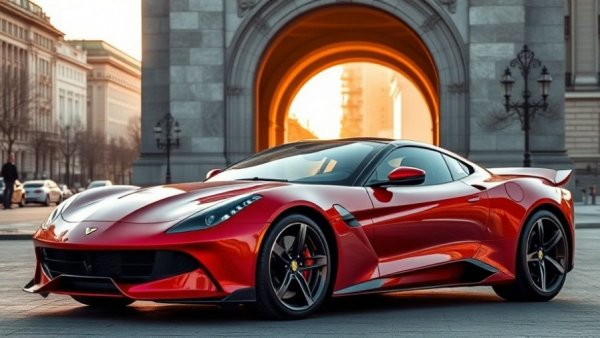
BYD has made its intentions clear: they have a keen interest in creating a competitive team rather than simply purchasing an existing one. This desire reflects a mindset focused on innovation and technology-first strategies. Their recent achievement with the Yangwang U9 Xtreme showcases their engineering prowess, having broken a 500 km/h barrier with an electric vehicle. This pedigree in technology positions BYD to have a meaningful impact in Formula 1, should they secure a foothold in the sport. The company's ambition to develop a team from the ground up could invigorate the sport with fresh ideas and innovative designs that leverage electric technology alongside traditional racing elements.
Geely's Unique Position and Potential Contributions
Meanwhile, Geely, while less prominent in the racing context, has ties to well-known brands such as Volvo and Lotus. These affiliations could provide a unique blend of automotive expertise that might positively influence their F1 proposal. As the parent company of Lotus, which has a rich motorsport heritage, the potential for innovative designs and engineering capabilities exists. The question remains—what specific plans does Geely have in mind for an F1 entry, and how can they leverage their existing automotive heritage to carve out a niche in such a competitive environment? As they contemplate their approach, it will be essential for Geely to highlight how their long-standing history in performance and safety can translate to the racetrack, ultimately aiming to capture both the imagination of fans and the attention of F1 stakeholders.
Challenges in Proposing Sustainable Power Units
One of the primary hurdles that both BYD and Geely face is the evolving structure of F1's power units. Starting in 2027, the balance is expected to shift further from electric to a combustion direction, potentially lessening the role of electric contributions. For a company like BYD, whose identity is built on electric technology, this creates a dichotomy: how can they ensure their innovations remain relevant amid a more traditional focus on combustion engines? This challenge may prompt BYD to consider how their engineering excellence can blend with F1's historic emphasis on combustion performance, possibly leading to groundbreaking developments that could change how power units are perceived even in a hybrid context.
The Broader Implications for F1’s Future
The potential entry of brands like BYD and Geely isn't just about racing; it's about representation. The presence of a Chinese team could energize the sport's following in one of the world’s largest automotive markets. Upcoming races, particularly in Shanghai, would benefit from homegrown support, enriching the cultural connection fans have with the sport. This connection could also inspire a generation of aspiring engineers and auto enthusiasts across China, as they witness local brands competing on a global stage. The season ahead will be pivotal in determining how F1 adapts to technological advancements and shifting industry perspectives.
What This Means for Auto Enthusiasts and F1 Fans
For fans, the evolution of Formula 1 and the possible inclusion of automakers like BYD and Geely ensures an exciting future. This could bring new engineering marvels to the racetrack, showcasing high-performance electric vehicles capable of competing at the highest levels. Beyond performance, these advancements can also serve as a spectacle, thrilling fans not just with speed but with cutting-edge technologies that redefine what is possible in motorsport. Additionally, for the automotive industry as a whole, the continued blending of traditional and electric technologies may lead to advancements that find their way into consumer vehicles, benefitting the public while also improving racing performance.
A Call for Proposals and the Path Forward
Ultimately, the FIA’s next steps will be crucial in determining whether BYD or Geely will make their F1 dreams a reality. Their engagement signals a desire to innovate and disrupt the existing landscape. However, they must present solid proposals that demonstrate their capability to compete. Such proposals will need to encompass not just the technological aspects but also the commercial viability of an entry into F1, showcasing how they plan to turn enthusiasm into success on the track. The racing world will be watching closely—not just for the thrill of competition, but for the technological advancements that might emerge from these ambitious new entrants. The integration of two major Chinese brands into F1 could indeed mark a turning point in the sport's narrative, setting the stage for a new era of racing that embraces the future of automotive technology.




Write A Comment