


The New Reality of Automobile Pricing
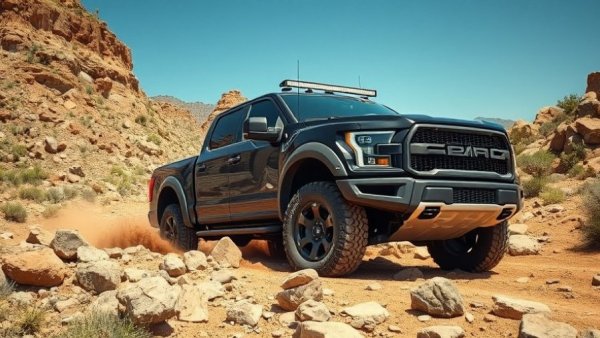
With a recent report highlighting that the average transaction price for new vehicles in the U.S. has soared to a staggering $51,109, many buyers are understandably concerned about affordability in today’s car market. This price reflects a significant jump of 1.3% from the previous month and an increase of 2.1% year-over-year. However, it is crucial to note that this average is largely influenced by the booming sales of full-size pickups and midsize SUVs, which cater to family needs and the growing demand for more utility around personal transportation. These larger vehicles are attractive for their versatility, often being used for both family trips and as everyday vehicles, making them popular choices among buyers.
What Influences Today's Average Prices?
The automotive landscape has dramatically shifted, with full-size pickups averaging an impressive $67,912. Meanwhile, midsize SUVs come in at an average of $50,570, causing the national average vehicle price to be heavily skewed by these larger, more expensive vehicles. Surprisingly, smaller vehicles, like compact cars, still see their demand rise; the average compact car transaction price is a manageable $28,030. This goes to show that while headline figures appear daunting, a substantial base of consumers is opting for within-budget alternatives while the market evolves. For buyers seeking cost-efficient options, compact and subcompact vehicles present viable solutions without compromising on safety and quality.
Navigating the Electric Vehicle (EV) Market
The EV segment presents a different scenario altogether. Currently, the average new EV price stands at $56,220, marking a 1% increase from the previous month but a 2.7% decrease compared to the same time last year. As incentives rise to an average of 11.3%—significantly higher than what is available for traditional vehicles—prospective buyers are encouraged to shop around. This disparity underscores the importance of comparing actual quotes rather than relying solely on MSRP. The rising prices of new EVs can be a stumbling block for many buyers, yet the vast array of incentives often present an opportunity for savings. Buyers looking to transition to electric should leverage incentives, state rebates, and tax credits, which may significantly reduce the cost.
Consumer Choices and Trends in the Automotive Industry
As the average price of vehicles reaches record highs, understanding consumer behavior becomes more pertinent. Recent industry trends indicate that buyers prioritize necessity over luxury, dominating the market's focus on larger vehicles—specifically family-oriented SUVs and pickups. The need for sizeable vehicles capable of fulfilling both personal and familial duties is pushing sales in these segments. According to analysts, this trend is expected to continue as families seek reliability and space in their vehicles, reflecting a societal shift toward practicality and functionality in automotive choices.
Moreover, it's essential to acknowledge that not all consumers are willing to stretch their budgets. The 9.6% rise in sales across compact car, subcompact SUV, and smaller SUV categories reveals a sizable segment of the market that remains price-sensitive, continuing to favor affordable options as others splurge on lavish models. Such distinctions are vital as they illustrate the differing paths being forged in consumer preferences. As gas prices fluctuate and economic conditions change, many buyers are gravitating towards vehicles that serve dual purposes while being budget-friendly, signaling a nuanced understanding of individual financial situations.
Buying Advice: How to Approach the Market
For buyers navigating the current landscape, it is vital to conduct thorough research before making any decisions. In light of the average national price, prospective vehicle owners should focus on their individual needs and budget constraints when considering their options. Start by determining the type of vehicle that best suits you—whether it’s a family-friendly truck or a compact car for daily commutes. Additionally, evaluating out-the-door pricing can help avoid the pitfalls of extended loans and hidden fees, ensuring you get the best value. Buyers should also consider the overall cost of ownership, which includes insurance, maintenance, fuel, and potential depreciation rates, to make a well-informed decision.
A good approach is to gather quotes from various dealerships and compare them. This practice not only fosters informed purchasing decisions but also empowers consumers to negotiate better deals. Utilizing online tools for price comparisons or engaging in detailed discussions with sales associates can unearth special promotions or discounts not widely advertised online. Buyers might discover that even slightly used models offer immense savings without sacrificing the desirable features of newer vehicles.
Insights for the Future of Automotive Pricing
As the automotive industry continues to evolve, factors like the fluctuating price of raw materials, changes in consumer preferences, and government policies will play pivotal roles in shaping market dynamics. It’s anticipated that the explosive growth in the EV sector will increasingly influence traditional pricing models, potentially making electric vehicles more accessible in the near future. As renewable energy sources become more integrated into the automotive supply chain, the costs associated with battery production and electric components may stabilize or even decrease.
For instance, manufacturers are striving to bring more budget-friendly electric options to the market, which could align with the demands of more price-sensitive consumers. As seen with current trends, maintaining flexibility in purchasing strategies and adapting to market changes will be key for buyers in this competitive landscape. The next few years will likely see a wider range of options becoming available, presenting buyers with various choices tailored to their financial and environmental preferences.
In conclusion, while the average new car price in the U.S. has risen dramatically, opportunities abound for savvy consumers. By understanding their options and remaining aware of market trends, buyers can find vehicles that fit their budgets while meeting their needs. With the automotive industry facing significant changes, remaining informed is not just beneficial—it's essential. As buyers prepare for their next vehicle purchase, keeping these insights in mind can help streamline the purchasing experience and secure the best deals possible.







Write A Comment