


How Much Data Does Your Car Really Collect?
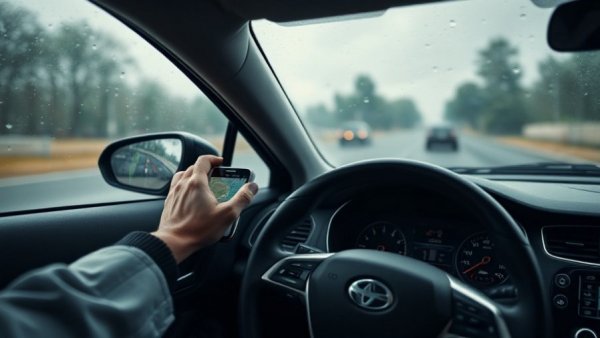
In today's tech-driven world, the remarkable amount of data collected by our cars is often underestimated. Picture this: a simple drive home includes not just the steering wheel and pedals, but a wealth of information recorded by the vehicle. As you navigate with a paired phone, send texts, or save destinations, a digital footprint is left behind. The amount of data collected varies considerably from vehicle to vehicle and depends on the functionalities offered by the manufacturer. According to a recent study, vehicles can generate upwards of 25 gigabytes of data each hour, significantly more than the average smartphone.
Understanding the Types of Data Collected
From monitoring conditions to recording fault codes, cars are equipped with numerous sensors that collect an array of data. While certain sensors provide information on speed and engine performance to enhance driver safety, not all readings are stored. For instance, while wheel speed helps in braking, it doesn’t mean this data is logged permanently in the vehicle's system. In contrast, a car’s navigation system may keep a record of frequently visited locations, or even contacts stored from a paired phone, highlighting different privacy implications depending on how this information is managed and stored.
The Role of Data in Diagnostics
Fault codes, specifically, serve a critical diagnostic role for mechanics. These codes offer snapshots of the vehicle's condition at the moment the warning light triggered. While they don’t provide a comprehensive overview of a car's mechanical state, they allow technicians to narrow down potential problems during vehicle analysis, helping them pinpoint issues without unnecessary delays. For example, rather than guessing the cause of an engine malfunction, mechanics can consult these codes to understand if there is an issue with a specific part, such as a sensor or valve.
Your Car's Black Box: What It Reveals
The so-called 'black box' in your car, akin to what is found in airplanes, has a focused role. It records key details before, during, and immediately after a crash. This includes variables such as driver inputs, speed, forces involved at the time of impact, and deployment of airbags. However, unlike popular belief, it doesn’t retain audio or video footage of the events leading to an accident, and each car's system has unique recording protocols. Understanding this functionality can aid drivers in knowing how much information is available post-incident, as well as how it can be utilized by insurance companies and law enforcement in case of emergencies.
Privacy Implications of Automotive Data Collection
As our vehicles gather more data about us, concerns around privacy grow. While manufacturers often state that data is used primarily for safety and performance enhancements, many consumers may feel uneasy about how much of their personal information is stored and potentially shared with third parties. What’s more, the European Data Protection Board advocates that data processing should ideally take place within the vehicle. This suggestion emphasizes that sensitive information, such as travel history and personal contacts, should not be automatically uploaded to external servers, reducing the risk of privacy breaches that could arise from data mismanagement.
Insights for Car Owners: Protecting Your Data
Being informed about the type of data collected by your vehicle is essential for every car owner. For those interested in minimizing data exposure, it is advisable to be cautious with permissions granted to apps and connected services. Regularly reviewing the privacy settings on your vehicle’s user interface and understanding what types of data are shared with manufacturers can empower you as a car owner. Additionally, drivers should also check if their vehicles offer features that allow them to deactivate data collection when not needed. Knowing what personal information stays within the car versus what gets shared externally can help drivers make informed decisions regarding their privacy.
What the Future Holds for Automotive Data
As technology continues to advance, the automotive industry is expected to see innovations that both improve vehicle performance and enhance data privacy. There’s an increasing demand for more robust security measures in automotive technology, ensuring that car owners' data remains protected. As electric vehicles and autonomous systems become mainstream, the data collected by these vehicles will evolve, raising new questions about ownership, privacy, and security. Consumers navigating this evolving landscape must stay informed about how their data is being used, especially since many manufacturers are developing studies to analyze the patterns derived from the vast amounts of data generated by cars.
The Bottom Line: Balance Between Innovation and Privacy
In conclusion, while the data your car collects can greatly contribute to your driving experience, it's vital for car owners to be aware of how this information is used and stored. As more manufacturers shift toward cloud storage solutions for vehicle data, understanding the dynamics between innovation and privacy takes on heightened importance. Being proactive about understanding these dynamics not only empowers drivers to utilize advanced automotive features but also safeguards their personal data. As consumers, advocating for your rights and preferences in data management can lead to better practices within the automotive industry moving forward. Furthermore, engaging in discussions about data privacy with lawmakers and automotive companies can contribute to a future where innovation does not trump personal privacy.






Write A Comment