
cropper
update
AutoInsiders
update
  • Home
  • Categories
    • insider tips
    • expert reviews
    • industry trends
    • automotive knowledge
    • car insights
    • vehicle advice
    • maintenance tips
    • buying guides
    • market analysis
    • performance reviews
November 24.2026
4 Minutes Read

Your Comprehensive Guide to Buying a Used Ford F-150

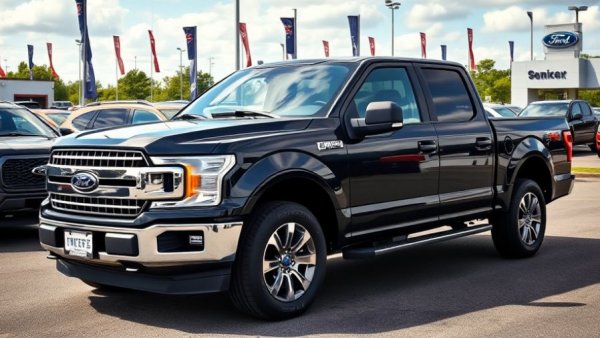
Sleek black Ford F-150 parked in a dealership lot.

Understanding the Ford F-150’s Legacy

The Ford F-150 has cemented its place as America’s favorite pickup truck for decades, not just for its robust capabilities but for the myriad configurations that cater to a range of needs. With more than 40 years of heritage, this truck has been seen hauling everything from lumber to children, symbolizing dependability and versatility in the automotive world. Given its popularity, the used market is teeming with options, but buyers must tread carefully; two seemingly identical trucks can have significant differences beneath the surface.

Identifying Your Needs: Essential Buying Considerations

Before diving into listings, prospective buyers should reflect on their specific requirements. Think about how you plan to use the truck; for instance:

  • Daily commuting: Consider fuel economy and comfort; a 2WD might suffice.
  • Family hauling: Go for the SuperCrew cab, offering ample rear legroom and advanced safety technology suitable for child seats.
  • Regular towing: Look for models with a factory tow package, a stronger engine, and the right axle ratio to support your interests, whether it’s a trailer for a boat, camper, or work equipment.
  • Job site versatility: Durability and a longer bed are critical; a simpler trim can keep maintenance costs low while enduring wear and tear.
  • Rural driving: A 4×4 with good tires is essential for navigating winter conditions, making safety and stability priorities for rural drivers.

With so many configurations available, it is advisable to assess multiple model years and configurations side by side. Dealerships like Huntley Ford in Illinois illustrate this variation well, showcasing differences in mileage and engine options among even closely related models. This variation can often reflect how rigorously or lightly a truck has been used, making it vital to practice due diligence during your search.

Choosing the Right Trim and Engine

After establishing your truck's purpose, the next pivotal decision revolves around the engine and trim. Recent F-150 generations boast a variety of powertrains:

  • 2.7L EcoBoost V6: A well-balanced choice that provides power and fuel efficiency with great low-end torque, ideal for those looking for a blend of capability and economy.
  • 3.5L EcoBoost V6: Known for exceptional towing capacity but watch for cold start noises; an important factor for older models.
  • 5.0L V8: Classic performance with a simple maintenance profile, though fuel consumption can be high—best suited for those who prioritize power over fuel savings.
  • 3.5L PowerBoost Hybrid (2021+): Offers the best fuel economy in the lineup and has a built-in generator, perfect for outdoor enthusiasts.
  • 3.3L V6 (base, through 2023): An economical option, though it has limited towing power, making it suitable for lighter duties.

A note: most F-150 models from 2017 onward feature a 10-speed automatic transmission. While it generally performs well, buyers should test drive to ensure there are no harsh or delayed shifts. A fluid driving experience can make a significant difference, particularly if you plan on using your truck for daily tasks.

What to Inspect Before Finalizing Your Purchase

When you’ve narrowed down your options, a meticulous inspection is crucial, particularly for a vehicle that may have faced rougher conditions than a standard car:

Mileage and Service Records: Key Indicators

Review the truck's history, focusing on service records. Regular oil changes are particularly vital for EcoBoost engines, which are sensitive to oil quality. Be cautious of low mileage on older trucks; if they have been sitting unused for extended periods, this can be a red flag. Consider asking for an independent inspection to gain a clearer understanding of the truck’s condition before making a commitment.

Transmission and Drivetrain Checks

Pay close attention to the transmission's performance. Shifts should be smooth, whether under light throttle or during full acceleration. Don't forget to test the four-wheel drive; listen for clunking or grinding sounds when engaged. Checking for fluid leaks can also reveal potential issues. It’s wise to take a thorough look under the vehicle for any signs of rust or damage, particularly if you live in areas where roads are salted in winter.

Safety and Technology Features to Consider

Today’s drivers expect advanced safety features, and the Ford F-150 is no exception. Models like the XLT and Lariat come equipped with more comprehensive driver-assist technology. It pays to prioritize these features, especially if you’ll be transporting family or valuable cargo. Features such as lane departure warning, automatic braking, and adaptive cruise control can provide peace of mind and enhance your overall driving experience.

Embracing the Future: Trends in the Automotive Market

The automotive industry is rapidly evolving, with a growing emphasis on sustainability and smarter technology. As electric vehicle options begin to burgeon in the truck segment, it's worth watching the transition closely. Ford is already investing in electric versions of their F-Series trucks, indicating a shift in the market that buyers should be aware of. Transitioning to an electric F-150 could save money on fuel in the long run, even if the upfront costs are higher.

Conclusion: Take Action Wisely

Purchasing a used Ford F-150 can be a rewarding experience when approached with knowledge and caution. Ensure you evaluate all your needs, examine various models, and conduct thorough inspections. This diligence will not only help avoid pitfalls but will lead to a well-informed purchase that enhances your driving experience—be it for work or leisure.

Consider your requirements, consult trusted automotive sources, and don't hesitate to invest time in research to make the best choice that meets your needs. In the world of used pickups, preparation can make all the difference. Whether for rugged outdoor adventures or just smoother daily driving, the right F-150 can be a valuable asset for years to come.

insider tips

1 Views

0 Comments

Write A Comment

*
*
Please complete the captcha to submit your comment.
Related Posts All Posts
11.24.2026

Discover How Much Data Your Car Collects and Its Hidden Uses

Update How Much Data Does Your Car Really Collect? In today's tech-driven world, the remarkable amount of data collected by our cars is often underestimated. Picture this: a simple drive home includes not just the steering wheel and pedals, but a wealth of information recorded by the vehicle. As you navigate with a paired phone, send texts, or save destinations, a digital footprint is left behind. The amount of data collected varies considerably from vehicle to vehicle and depends on the functionalities offered by the manufacturer. According to a recent study, vehicles can generate upwards of 25 gigabytes of data each hour, significantly more than the average smartphone. Understanding the Types of Data Collected From monitoring conditions to recording fault codes, cars are equipped with numerous sensors that collect an array of data. While certain sensors provide information on speed and engine performance to enhance driver safety, not all readings are stored. For instance, while wheel speed helps in braking, it doesn’t mean this data is logged permanently in the vehicle's system. In contrast, a car’s navigation system may keep a record of frequently visited locations, or even contacts stored from a paired phone, highlighting different privacy implications depending on how this information is managed and stored. The Role of Data in Diagnostics Fault codes, specifically, serve a critical diagnostic role for mechanics. These codes offer snapshots of the vehicle's condition at the moment the warning light triggered. While they don’t provide a comprehensive overview of a car's mechanical state, they allow technicians to narrow down potential problems during vehicle analysis, helping them pinpoint issues without unnecessary delays. For example, rather than guessing the cause of an engine malfunction, mechanics can consult these codes to understand if there is an issue with a specific part, such as a sensor or valve. Your Car's Black Box: What It Reveals The so-called 'black box' in your car, akin to what is found in airplanes, has a focused role. It records key details before, during, and immediately after a crash. This includes variables such as driver inputs, speed, forces involved at the time of impact, and deployment of airbags. However, unlike popular belief, it doesn’t retain audio or video footage of the events leading to an accident, and each car's system has unique recording protocols. Understanding this functionality can aid drivers in knowing how much information is available post-incident, as well as how it can be utilized by insurance companies and law enforcement in case of emergencies. Privacy Implications of Automotive Data Collection As our vehicles gather more data about us, concerns around privacy grow. While manufacturers often state that data is used primarily for safety and performance enhancements, many consumers may feel uneasy about how much of their personal information is stored and potentially shared with third parties. What’s more, the European Data Protection Board advocates that data processing should ideally take place within the vehicle. This suggestion emphasizes that sensitive information, such as travel history and personal contacts, should not be automatically uploaded to external servers, reducing the risk of privacy breaches that could arise from data mismanagement. Insights for Car Owners: Protecting Your Data Being informed about the type of data collected by your vehicle is essential for every car owner. For those interested in minimizing data exposure, it is advisable to be cautious with permissions granted to apps and connected services. Regularly reviewing the privacy settings on your vehicle’s user interface and understanding what types of data are shared with manufacturers can empower you as a car owner. Additionally, drivers should also check if their vehicles offer features that allow them to deactivate data collection when not needed. Knowing what personal information stays within the car versus what gets shared externally can help drivers make informed decisions regarding their privacy. What the Future Holds for Automotive Data As technology continues to advance, the automotive industry is expected to see innovations that both improve vehicle performance and enhance data privacy. There’s an increasing demand for more robust security measures in automotive technology, ensuring that car owners' data remains protected. As electric vehicles and autonomous systems become mainstream, the data collected by these vehicles will evolve, raising new questions about ownership, privacy, and security. Consumers navigating this evolving landscape must stay informed about how their data is being used, especially since many manufacturers are developing studies to analyze the patterns derived from the vast amounts of data generated by cars. The Bottom Line: Balance Between Innovation and Privacy In conclusion, while the data your car collects can greatly contribute to your driving experience, it's vital for car owners to be aware of how this information is used and stored. As more manufacturers shift toward cloud storage solutions for vehicle data, understanding the dynamics between innovation and privacy takes on heightened importance. Being proactive about understanding these dynamics not only empowers drivers to utilize advanced automotive features but also safeguards their personal data. As consumers, advocating for your rights and preferences in data management can lead to better practices within the automotive industry moving forward. Furthermore, engaging in discussions about data privacy with lawmakers and automotive companies can contribute to a future where innovation does not trump personal privacy.

11.22.2026

Can Anti-Theft Devices Really Lower Your Car Insurance Premium?

Update Understanding How Anti-Theft Devices Influence Insurance Premiums In today’s automotive landscape, the safety and security of vehicles are paramount. One of the compelling strategies to ameliorate insurance costs is the installation of anti-theft devices. However, the financial benefits realized through such installations can vary widely based on several factors, including the insurance provider, vehicle make and model, as well as the specific anti-theft measures employed. As a car owner, understanding how these factors intersect is essential for making informed decisions that could save you money in the long run. Determining Eligibility for Insurance Savings Potential savings from anti-theft installations can manifest in various forms—a discount on premiums, the removal of a theft surcharge, or even assistance with installation costs. Each of these approaches influences the vehicle owner's expenses differently. It’s important for car owners to grasp the specifics of what their insurer offers: Are they receiving a straightforward discount for an approved security feature, or is an extra charge being alleviated due to a higher risk assessment of their vehicle? Knowing these details can significantly impact your total insurance expenditures over time. The variance in potential savings often leads vehicle owners to gamble on whether the anti-theft device they plan to purchase will meet the insurance company’s requirements. This uncertainty can lead to additional expenses, particularly if the device turns out not to qualify for the expected insurance savings. Such a gamble underscores the necessity of thoroughly researching insurers' requirements and approved devices before making a purchase. The Role of Anti-Theft Technology Different types of anti-theft technology serve unique functions. Immobilizers, for example, prevent the vehicle engine from starting unless the correct key or fob is being used. While many new vehicles come equipped with factory-installed immobilizers, not all meet the insurance company's criteria for additional savings. Therefore, vehicle owners must ensure that any added protection they invest in goes above and beyond basic features to maximize potential savings. Beyond immobilizers, other anti-theft devices, such as steering wheel locks and tire locks, can serve as visible deterrents to thieves. While these physical locks may not always guarantee a discount, they can enhance the overall security of your vehicle and potentially make it less attractive to criminals. Tracking Systems: A Complementary Benefit On the other hand, tracking systems are primarily utilized after a theft has occurred, assisting law enforcement in recovering the vehicle. The effectiveness of these systems can vary considerably based on response protocols set by insurance providers. Some systems may also include tracking capabilities that can help retrieve stolen vehicles more swiftly, thereby minimizing the losses incurred by both owners and insurers. The key takeaway is that while both immobilizers and tracking devices enhance vehicle security, understanding the differing roles they play is crucial when speaking with insurers about potential premium reductions. Insurers may provide specific guidelines on how effective these systems are in decreasing theft risk and, consequently, insurance costs. Financial Considerations of Device Installation Before investing in an anti-theft device, prospective buyers should ascertain the costs not just of the device itself, but also ongoing maintenance, installation, and possible subscription fees tied to the operation of the protection system. Factors like the recertification of devices, installation invoices, and ongoing activation of tracking services are essential details to clarify with an insurance provider as they can substantially affect the overall value of the insurance savings. Additionally, some devices might require an ongoing subscription for monitoring services. If you plan to install a high-end system that includes 24-hour monitoring, be sure to factor this into your budget. The overall costs might still yield savings on insurance premiums, but it's essential to have a comprehensive understanding of potential fees and their implications on your finances. Future Trends in Automotive Security and Insurance As auto manufacturers continue to innovate in the realm of vehicle security, new systems integrating advanced technology are likely to emerge. As seen in the growing integration of software updates and extra monitoring systems, the future of car safety seems set to transform dramatically. Beyond just physical barriers, technologies such as biometric access, facial recognition, and machine learning systems could redefine vehicle security. With these innovations, insurance providers may evolve their policies to encourage such technologies, thus modifying premium structures in favor of tech-savvy consumers. Staying ahead of these trends can provide vehicle owners with not only enhanced safety but also more favorable insurance rates. Protecting Your Investment: The Bottom Line Ultimately, when considering installing an anti-theft device, it is critical for car owners to conduct thorough research. They should verify device qualifications with their insurance company, understand all installation costs, and remain aware of the requirements necessary to retain discounts or rebates. Should you decide to move forward with an anti-theft purchase, keeping detailed documentation of expenses and communications with your insurer can help solidify any premium reductions or benefits gained. Additionally, engaging in open discussions with your insurance agent about these devices can yield unexpected insights into how various features can lower your premiums. Insurers appreciate proactive clients who take the initiative to protect their investments and may offer further advice or discounts. Conclusion: Taking Action Today To make the most of your insurance investment, look into anti-theft systems that not only enhance vehicle security but also qualify for discounts with your insurance provider. Consult with professionals, ask the right questions, and take proactive steps in fortifying your vehicle’s safety. Understanding these factors can lead to significant financial savings and peace of mind, transforming your approach to vehicle ownership and insurance commitment. The interplay between proactive security measures and informed insurance choices can ensure a more secure experience on the road.

11.21.2026

Considering Rideshare? Discover the Benefits of Renting a Car in Perth

Update Why Renting for Rideshare May Be Your Best Bet in Perth Considering a venture into rideshare driving in Perth? Prior to accepting your first ride request, one of your most pressing decisions will be the vehicle you use. While purchasing might seem appealing, opting for a rental car could be a smarter choice, offering flexibility and reduced obligations. Understanding the Trade-Offs: Renting vs. Buying Buying a car outright can be a substantial upfront investment, one that might not align with your financial plans if you're uncertain about the longevity of your rideshare commitment. Renting, on the other hand, allows potential drivers to test the waters without the burden of ownership. But with that convenience comes additional costs, including rental fees, insurance, and maintenance expenses. When contemplating a rental for rideshare work, it's essential to ensure that the vehicle is equipped for the demands of transporting paying passengers. Some rental companies might offer vehicles specifically designated for rideshare, which can help streamline your entry into the market. This can be vital for new drivers who may not yet be familiar with all the regulatory requirements for rideshare vehicles. Who Should Consider Renting a Rideshare Vehicle? Renting might be the ideal solution for several types of drivers: If you’re a novice wanting to explore rideshare driving before making a long-term commitment. When your own vehicle is unavailable due to repair or maintenance. If you seek the convenience of a car without the long-term commitment. When you prefer to drive fuel-efficient vehicles to minimize costs associated with high mileage. If you want to avoid the worries of depreciation and resale, which come with ownership. Selecting the Right Vehicle for Rideshare Driving Perth’s expansive suburbs can lead to high mileage during rideshare shifts. Thus, choosing a fuel-efficient and spacious vehicle can play a crucial role in maximizing your earnings. Hybrid cars are particularly advantageous due to their efficiency in urban settings, making them a popular choice among rideshare drivers. With the fluctuating fuel prices, every bit of saved fuel can significantly contribute to your bottom line. Moreover, passenger comfort should be high on your priority list. Consider vehicles that provide adequate legroom, effective air conditioning, and ample connectivity options to enhance the rider experience—elements that not only contribute to tips but also to positive reviews. Remember that good reviews can improve your ranking as a driver, making you more accessible to a higher volume of rides. Calculating Costs and Understanding the Break-Even Point As a prospective rideshare driver, asking the right questions about rental costs is fundamental: Is rideshare driving included in the rental price? What insurance coverage is necessary, and what are the associated costs? Are there any mileage caps or additional fees for exceeding those limits? What responsibility will you hold regarding maintenance and repairs? How does the rental company handle cleaning and damages? What are the terms and conditions regarding vehicle return policies? Are there any hidden fees not disclosed upfront? Understanding these factors will help in establishing your break-even point and ensuring that you are financially prepared for potential fluctuations in rideshare income. It's advisable to keep a detailed ledger of your expenses and income to better assess your overall financial picture. Mastering Working Hours and Maximizing Income Your approach to working hours will largely depend on your income goals. For those turning to rideshare driving as a primary income source, maximizing your availability during peak hours is crucial. These often occur during early morning and evening commutes, as well as late-night weekends when people are out socializing. Conversely, if you're supplementing your current income, strategically picking busy periods can help balance your work-life commitments while still generating extra cash. Consider joining local rideshare driver communities or forums. These platforms can provide invaluable insights into peak hours, local events, and tips from more experienced drivers. Networking with others in the field can enhance your strategies for earning more while expending less time on the road. Car Maintenance and Care: Essential Tips for Success To maintain a steady income in rideshare driving, it’s vital to ensure your vehicle is consistently clean and well-kept. This not only mitigates complaints but can substantially improve customer satisfaction and, consequently, tips. Simple practices like regular cleaning and inspections can significantly enhance your effectiveness as a driver. Moreover, setting aside a small budget for unexpected repairs can save you significant headaches down the line. Even rental vehicles can experience issues, so it's crucial to be proactive about maintenance as provided under the rental agreement. Additionally, developing a rapport with your rental company can lead to more favorable terms in the long run, particularly if you find you enjoy rideshare driving. Conclusion: Make Informed Choices for Rideshare Success As you embark on your rideshare driving journey in Perth, weighing the pros and cons between renting and owning a vehicle is essential. By understanding the mechanics of rentals, vehicle choice, operational costs, and the intricacies of customer service, you can position yourself for success. Don’t hesitate to explore rental options that fit your lifestyle and financial goals. As a potential rideshare driver, take charge of your future by considering renting as a viable option before making a leap into ownership. The flexibility it offers could be the key to determining if this is the right career path for you, allowing you to dynamically respond to the demands of the rideshare marketplace while safeguarding your financial health.

cropper
update
WorldPulse News
cropper
update

Write a small description of your business and the core features and benefits of your products.

  • update
  • update
  • update
  • update
  • update
  • update
  • update

COMPANY

  • Privacy Policy
  • Terms of Use
  • Advertise
  • Contact Us
  • Menu 5
  • Menu 6

408-903-0493

AVAILABLE FROM 8AM - 5PM

City, State

, ,

ABOUT US

Write a small description of your business and the core features and benefits of your products.

© 2026 CompanyName All Rights Reserved. Address . Contact Us . Terms of Service . Privacy Policy

Terms of Service

Privacy Policy

Core Modal Title

Sorry, no results found

You Might Find These Articles Interesting

T
Please Check Your Email
We Will Be Following Up Shortly
*
*
*