
cropper
update
AutoInsiders
update
  • Home
  • Categories
    • insider tips
    • expert reviews
    • industry trends
    • automotive knowledge
    • car insights
    • vehicle advice
    • maintenance tips
    • buying guides
    • market analysis
    • performance reviews
November 12.2026
4 Minutes Read

Discover How the Alpina XB7 Outshines the BMW X7 M60i in Power and Price

Green SUV close-up with polished rims and dual exhaust, Alpina XB7 vs BMW X7 M60i.

Battle of the Bavarians: The Alpina XB7 vs. BMW X7 M60i

The 2025 BMW X7 M60i and the Alpina XB7 set the stage for an exciting face-off in the automotive realm, particularly among SUV enthusiasts. Both vehicles hail from BMW's prestigious lineup, boasting a dynamic 4.4-liter twin-turbo V8 engine, yet they diverge significantly in performance, price, and luxury features. Their unique compositions reflect a blend of modern engineering and classic engineering principles from Bavaria, appealing to drivers looking for unrivaled performance and sophisticated styling.

Performance Showdown: Power and Specs

At first glance, the similarities between the two models are striking; they share the same engine but are tuned for different performance outcomes. The X7 M60i delivers a respectable 523 horsepower and 553 lb-ft of torque, achieving 0-60 mph in 4.5 seconds. In contrast, the Alpina XB7 is a powerhouse, amping up to 631 horsepower and 590 lb-ft, slashing the 0-60 time to just 3.9 seconds. This raising of horsepower not only enhances the driving experience but positions the XB7 as a more thrilling option for those who crave speed and power. Given these attributes, enthusiasts might find the XB7 particularly compelling for both daily commutes and spirited driving sessions.

Visual Appeal and Design Attributes

The Alpina XB7 is not just about power; it also brings unique aesthetic features. It flaunts 23-inch Alpina Classic wheels and distinctive badging, contributing to its opulent presence on the road. This level of craftsmanship is typical for Alpina, a manufacturer known for refining BMW vehicles into high-performance luxury gems. In contrast, the X7 M60i, while still luxurious, maintains a more subtle BMW aesthetic that resonates with those who appreciate classic styling. Both vehicles accommodate seven passengers comfortably, whether equipped with standard seating or second-row captain’s chairs, making them practical choices for families and adventurers alike. The interior craftsmanship in both models features premium materials and a well-thought-out layout, ensuring passengers enjoy both comfort and elegance on their journeys.

Price Comparison and Value Proposition

The price gap is another significant aspect that potential buyers should consider. The 2025 XB7 kicks off at approximately $152,400—a premium investment for heightened performance and exclusive Alpina features. If you opt for optional features or customization, this price could rise further, reflecting the XB7's status as a luxury performance vehicle. The X7 M60i, on the other hand, offers a comparatively lower entry point at $110,900, making it a more accessible option for those who may prioritize value while still enjoying BMW’s luxury. As of the latest updates for 2027, while the X7 M60i's price has slightly increased to $115,000, the XB7 remains a limited edition with only 120 units available in its Manufaktur edition. This exclusivity could appeal to collectors and enthusiasts seeking something unique in the vast SUV market.

Fuel Economy and Efficiency Insights

Fuel consumption might not be the primary focus for potential buyers of these performance-driven SUVs, but it definitely adds to the practicality equation. The Alpina XB7 yields a combined rating of 17 mpg compared to a marginally better 18 mpg from the X7 M60i. These figures are notable when considering annual fuel costs, which could influence budgets in the long term for potential buyers. Furthermore, as fuel prices fluctuate, the cost of running these high-performance SUVs becomes an important consideration for many owners.

Technology and Comfort Features

Both models come equipped with BMW’s latest technology and luxury features, ensuring that occupants travel in utmost comfort. A standout element in the XB7 is its uniquely calibrated air suspension and adaptive driving technology, designed to illuminate the differences between the standard luxury driving experience and the Alpina-catered treat. Drivers can expect a plush ride with enhanced handling, ideal for those who enjoy both city driving and country escapades. As the market shifts towards increasing digital integration, features such as the infotainment system are equally impressive in both vehicles, ensuring a competitive edge. Drivers can access features like navigation, smartphone integration, and advanced safety systems with ease. Plus, premium sound systems in both vehicles elevate the in-car experience, catering to music enthusiasts and passengers alike.

Knowing When to Buy: Automotive Insights and Tips

For those in the market for either the XB7 or the X7 M60i, it’s essential to consider dealership insider tips that can lead to significant savings. Timing your purchase can be crucial. Many dealerships offer end-of-year sales events or model changeovers, which often yield better pricing and potential incentives, especially with limited edition models like the XB7. Additionally, understanding financing options and potential lease agreements could provide further financial flexibility, allowing buyers to get the luxury experience they desire without overextending their budget.

Looking Ahead: Future Trends in the Luxury SUV Landscape

As the automotive landscape continues to evolve, both the Alpina XB7 and the BMW X7 M60i are positioned to adapt to upcoming trends in hybridization and electrification. With manufacturers increasingly prioritizing sustainability, the potential for these vehicles to incorporate further advancements in automotive technology is worth watching. As BMW reshapes its lineup to reflect consumer preferences, features like enhanced fuel efficiency and autonomous driving capabilities may soon become standard in luxury SUVs. Consumers are increasingly seeking vehicles that align with eco-friendly practices without sacrificing performance, making this an essential trend for future luxury models.

In summary, both the Alpina XB7 and BMW X7 M60i present unique advantages, whether it's the enhanced power and luxury of the XB7 or the accessible performance and practicality of the X7. As you consider your next SUV purchase, weigh the driver experience you desire against your budget to choose the model best suited to your needs. Understanding these dynamics will not only aid in making a well-informed purchase but also ensure that the vehicle you select aligns with your lifestyle and preferences for years to come.


insider tips

1 Views

0 Comments

Write A Comment

*
*
Please complete the captcha to submit your comment.
Related Posts All Posts
11.12.2026

Who Is Responsible When Two Cars Try To Merge Into The Same Lane?

Update Understanding Fault in Lane-Merging Accidents Imagine driving along a three-lane highway when suddenly, two vehicles from opposite directions move toward the center lane, unaware of each other’s intentions until conflict arises. Who is at fault when both drivers were apparently careful, checking mirrors and using turn signals? The intricacies involved in determining liability can be challenging, particularly in South Carolina where the answer isn't as black and white as many might think. The determination of fault hinges on whether both drivers took reasonable precautions before changing lanes. Simply signaling first or moving earlier doesn’t automatically grant one driver the right of way. The Mechanics of Simultaneous Lane Changes Simultaneous lane-change accidents are often attributed to various factors that challenge drivers' attention and spatial awareness. For instance, a driver in the left lane seeking to exit the highway may unwittingly collide with another driver in the right lane attempting to overtake slower traffic. The following factors are common contributors to these types of accidents: Failure to Check Blind Spots: Drivers frequently neglect their blind spots when merging, which can lead to disastrous results. It's essential for drivers to make a habit of thoroughly checking their mirrors and blind spots, especially when merging or changing lanes. Variable Speeds: Discrepancies in vehicle speeds can create hazardous situations during lane changes. A driver may underestimate the speed of a vehicle approaching from behind, causing a collision during the change. Insufficient Space: Inadequate space between vehicles can lead to accidents when merging. Drivers should maintain a safe following distance to ensure more time to react to sudden lane changes. Distractions: Drivers may focus more on exits than on surrounding traffic when attempting to change lanes, often leading to split-second decisions that overlook important safety considerations. Poor Visibility: Weather and road conditions can significantly impair visibility, complicating safe merging. Rain, fog, and darkness can all create scenarios where a lane change that appeared safe may not actually be so. While using turn signals communicates a driver’s intention, it doesn’t guarantee the lane is clear. Vigilance in checking mirrors and blind spots, assessing surrounding traffic, and waiting until it is safe to merge are crucial practices. Basic defensive driving strategies are vital for navigating these complex situations successfully. Determining Right of Way During Simultaneous Lane Changes When two drivers steer toward the same lane, there is no default rule favoring one driver’s claim to right of way. Each driver must assess whether their maneuver can be executed safely. For example, if one driver starts a lane change while another vehicle concurrently merges into the same zone without noticing, fault can be attributed to both parties for failing to observe proper lane change protocols. This complexity underscores the need for thorough investigation in case of an accident to gauge the actions taken by each driver before the collision. Analyzing the entire sequence of events rather than focusing on one detail is essential in fault determination. Legal Guidelines in South Carolina for Lane Changes South Carolina Law explicitly outlines the responsibilities regarding lane changes. According to South Carolina Code Section 56-5-1900(a), drivers must remain within their designated lanes unless a safe lane change can be executed. Additionally, Section 56-5-2150(A) emphasizes that movements to the right or left must occur safely with appropriate signaling, while Section 56-5-2150(B) necessitates continuous signaling for a minimum distance of 100 feet before making any turn. These legal provisions underscore that activating a turn signal is not synonymous with ensuring a lane change is safe. Drivers must not only signal their intent but also ascertain that the lane is clear. Insights from Auto Industry Experts The intricacies of vehicle safety during lane changes can be further understood through the lens of auto industry experts. They emphasize that vehicle technology, such as blind spot monitoring and adaptive cruise control, enhances driver safety, especially during lane change maneuvers. These assistive technologies can serve as a critical safeguard against potential accidents, increasing overall awareness of surrounding traffic. Automotive safety insider tips suggest that drivers familiarize themselves with their car’s assistive technologies and guidelines to improve safety and reduce the likelihood of accidents. Common Misconceptions About Lane Changes Many drivers harbor misconceptions about lane changes. A prevailing myth is that signaling alone is enough to ensure a safe merge. However, without due diligence in observing other vehicles, signaling can lead to accidents. Another misconception is that the first vehicle to signal automatically has priority, which is not true. Both drivers share the responsibility of assessing the danger before merging, emphasizing that safety is a mutual obligation. Understanding these misconceptions can help drivers navigate the complexities of changing lanes more safely. Conclusion: Navigating Lane Changes Safely Understanding lane merging dynamics and the factors influencing driver behavior is essential not just for avoiding conflicts but also for cultivating an environment of responsible driving. With awareness and proper adherence to traffic laws, drivers can significantly mitigate risks associated with lane changes. Recognizing the high stakes involved in such maneuvers can foster a culture of vigilance on the roads. If you find yourself in an accident, understanding your rights and responsibilities can be crucial. It may be worthwhile to consider seeking assistance from a car accident lawyer in Myrtle Beach for guidance on navigating potential liabilities stemming from these incidents. Ultimately, a well-informed driver is more likely to make choices that prioritize safety and reduce the dangers associated with lane changes.

11.11.2026

Protecting Your Interests: Essential Steps for Drivers After a Car Accident

Update Understanding Your Post-Accident Responsibilities A car accident can transform an ordinary journey into a distressing ordeal in mere moments. Whether it's a minor fender bender or a more serious collision, following a crash, how you respond can significantly affect the outcome of insurance claims and legal matters. The steps taken right after an accident are not just procedural; they play a crucial role in ensuring that all your rights are protected, and that your story is accurately told. Furthermore, adhering to these guidelines can foster a smoother recovery process, not only from a legal perspective but also in addressing potential medical concerns that may arise later. Prioritizing Safety Above All Else In any vehicle accident, safety should always be your first concern. Immediately check for injuries among all involved parties and call emergency services if needed. If it’s safe to do so, move to an area away from active traffic. Turning on your hazard lights can also help alert other drivers to the situation. It's crucial to remain calm and collected during this phase, as panicking can lead to mistakes or additional accidents. If anyone is injured, refrain from moving them unless absolutely necessary, as it could potentially worsen their condition. Documenting the Scene: An Essential Step Once the initial safety checks are complete, the next step is to document the scene thoroughly. Take photographs of vehicle damage, the position of vehicles, road conditions, and any relevant signage. These pieces of evidence can be vital for future insurance claims or legal proceedings, especially in cases where the fault is disputed. Aim to capture multiple angles and perspectives, ensuring that the details of the crash can be reconstructed accurately. Additionally, you might consider jotting down notes about the circumstances leading up to the accident, such as traffic signals, weather conditions, and your vehicle's speed. This written account can provide context that photography alone cannot convey. Collecting Vital Information Exchanging information with the other driver is critical. Ensure to gather names, contact information, driver's license numbers, insurance details, and vehicle registration numbers. Accurate records of the time, date, and place of the incident are equally important, making it easier to establish facts later. It can also be beneficial to use your smartphone to easily capture this information through photos or notes, reducing the risk of forgetting important details that could help your case. Additionally, if the other driver is uncooperative or if the situation escalates, having this information can be invaluable in resolving disputes down the line. The Importance of Witnesses If there are witnesses to the accident, collecting their contact information can be incredibly beneficial. Eyewitness accounts can clarify key events, especially in ambiguous situations where both parties have differing recounts. Their statements can often help persuade insurance companies about your claims. Don’t hesitate to ask bystanders for their perspective immediately; recollections can fade quickly, and having their accounts documented while fresh is vital. It might also be useful to approach some witnesses as they might have seen aspects of the incident that you missed. Harnessing Video Evidence If you have a dash cam or other recording devices in your vehicle, preserving that footage can provide crucial context. Video evidence captures dynamics that still images might miss, such as speed or movement patterns leading up to the accident. Driving without a dash cam does not put you at a disadvantage, but if you have one, make sure to save the footage immediately, as many devices operate on a loop, overwriting old data. Always keep the original file untouched, and consider creating backups. This might seem tedious but could save you from complicated disputes or lengthy investigations. Understanding Insurance Reporting Obligations Your next course of action should include notifying your insurance company. Insurers usually have specific protocols for filing reports, and knowing these can expedite the claims process. Be prepared to share photos, witness contact information, and any recorded footage. Familiarizing yourself with the different types of insurance coverage you have can help clarify how your policy responds to accidents, and guiding you on what details to emphasize when reporting the incident. Additionally, be aware of local laws regarding accident reporting obligations, as these can vary by location, and failure to comply might hinder your claim. Organizing Your Records for a Smooth Claims Process Maintaining an organized collection of accident-related documents will vastly simplify any discussions with insurance adjusters. Use dedicated folders on your devices or physical files to categorize photos, dash cam footage, police reports, and witness information. Label everything clearly, including dates and times, to ensure quick retrieval when needed. Consider using apps designed for accident documentation; these can guide you through the process step by step, ensuring nothing is overlooked. Long-Term Benefits of Preparedness and Knowledge Familiarizing yourself with your rights and responsibilities following an accident can serve you well for years to come. Knowledge of insurance protocols, accident reporting, and documentation processes can significantly reduce stress and ensure fair treatment from insurance companies. Whether you’re part of the automotive market or a typical driver, understanding these intricacies can empower you to navigate future situations with confidence. Keeping yourself educated on changes in traffic laws or evolving insurance practices can ensure you remain prepared. Final Considerations In the automotive world, accidents can happen to anyone, and being prepared is key. By prioritizing safety, meticulously documenting evidence, and promptly notifying your insurer, you position yourself to handle an accident much more effectively. Don't wait until an accident occurs to prepare. Arm yourself with the knowledge needed to act decisively and wisely in the aftermath of a crash. Additionally, consider taking a defensive driving course, which not only enhances your skills but may also offer discounts on your insurance premium.

11.11.2026

Hyundai Recalls 17 Vehicles: What Drivers Must Know About Wheel Torque Risks!

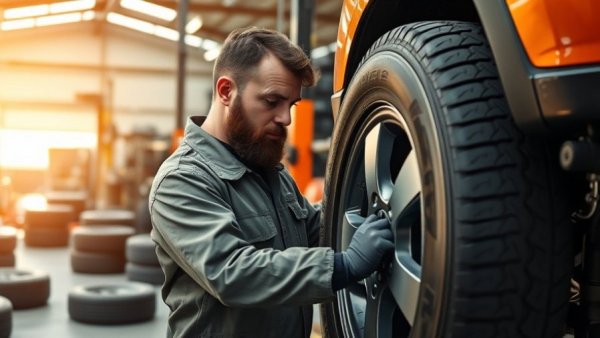
Update Hyundai Recalls Vehicles Due to Wheel Safety Concerns Hyundai is making headlines as it recalls 17 of its 2026 models due to a potentially hazardous manufacturing issue involving wheel lug nuts. Discovered in vehicles built in August, the recall is part of NHTSA campaign 26V693000, or Hyundai campaign 310, affecting several popular models: eight Venues, four Elantras, four Elantra Hybrids, and one Elantra N. The Importance of Proper Wheel Torque The recall highlights an essential aspect of vehicle safety: the importance of secure wheel installation. The vehicles in question left the factory with wheel lug nuts that may not have been adequately tightened. A loose wheel can pose a serious risk, leading to the possibility of the wheel detaching from the vehicle while in motion. For any vehicle owner, understanding wheel torque specifications is vital. The clamping force of lug nuts keeps the wheels secure during driving; the fact that a seemingly normal-looking wheel can unsafely be loose emphasizes the need for caution. A Closer Look at Wheel Installation Procedures The recall stemmed from a temporary manual wheel-tightening procedure implemented at Hyundai's Ulsan factory post-equipment changes. As auto technicians know, the process of tightening lug nuts typically requires specific protocols, including checking torque settings. Automated machinery often ensures accurate torque application, but recent manual methods may have compromised safety. A technician's evaluation using a torque wrench can make all the difference. The Mechanics Behind Torque Wrenches For vehicle owners performing tire changes or routine maintenance, understanding how to use a torque wrench correctly is crucial. A suitable torque wrench, which falls within the torque specifications for the vehicle, ensures that lug nuts are appropriately tightened. Whether using click-type or beam-style wrenches, it’s essential to follow the manufacturer’s guidelines, starting the nuts carefully and adopting a crisscross tightening pattern. The importance of this process cannot be overstated. Many people might assume that a simple installation will suffice; however, it requires precision to ensure safety. A properly applied torque prevents the lug nuts from loosening or becoming over-tightened, which can cause damage to wheel studs or threads. Thus, having the right tools and knowledge is essential for safe vehicle maintenance. What Affected Hyundai Owners Need to Know If you own a Hyundai model affected by this recall, you can check your vehicle identification number (VIN) against the official standards to confirm if your vehicle is included in campaign 310. Those concerned should book an inspection with a dealer, prioritizing the safety of their vehicles over DIY fixes. Quick Steps for Affected Owners: 1. Visit the Hyundai website or contact your dealer to check your VIN. 2. Schedule an inspection immediately if your vehicle is part of the recall. 3. Keep all service records and receipts as proof of safety checks and maintenance. Realizing the Risks: Expert Insights As automotive experts, it’s important to address how wheel torque issues can affect major automotive trends. This incident illustrates the inherent risks within automotive production and maintenance processes, reminding consumers to be proactive about vehicle safety. Routine inspections and keeping up with recalls, like this Hyundai situation, are essential as part of responsible car ownership. Many drivers may overlook the torque specifications necessary for maintaining wheel safety, viewing it as a minor detail. However, this kind of negligence can lead to serious, potentially life-threatening issues down the line. Three Key Questions After a Tire Change When collecting your vehicle after a tire change, consider addressing these three important questions with your service provider: Was the final tightening checked with a torque wrench? An impact wrench alone should not be the only tool used, as it does not guarantee the correct torque has been applied. Which torque specification was used? It is vital that the specification corresponds with the individual manufacturer's requirements rather than a generic number. Is a follow-up check recommended? Inquire if any further checks are advised after a certain mileage to ensure the tightness of the lug nuts. If a wheel starts knocking or if you experience unusual vibrations post-service, take immediate action. Pull over safely and arrange for an inspection, as ignoring these signs can exacerbate existing issues. Final Thoughts on Vehicle Safety and Maintenance Becoming proactive in vehicle maintenance is crucial for all drivers, especially with the growing complexity of modern cars. Regularly consulting with dealerships or authorized repair shops is highly encouraged, ensuring that all specifications are adhered to during services. Ultimately, understanding how your vehicle operates and the risks associated with improper care can significantly enhance your safety on the road. As we review this situation, remember the importance of keeping up with automotive news and manufacturer guidelines. Knowledge of issues like this Hyundai recall not only protects you, the owner, but also contributes to overall community safety. The integration of technology in vehicle maintenance and auto repair is an evolving aspect that both experts and consumers must navigate together. Always stay informed and prioritize vehicle safety for enhanced driving experiences. Being a responsible vehicle owner means not only learning from incidents like these but also being proactive in your approach to maintenance and awareness. Regular vehicle checks and prompt attention to manufacturer recalls can save lives and preserve the integrity of your vehicle.

cropper
update
WorldPulse News
cropper
update

Write a small description of your business and the core features and benefits of your products.

  • update
  • update
  • update
  • update
  • update
  • update
  • update

COMPANY

  • Privacy Policy
  • Terms of Use
  • Advertise
  • Contact Us
  • Menu 5
  • Menu 6

408-903-0493

AVAILABLE FROM 8AM - 5PM

City, State

, ,

ABOUT US

Write a small description of your business and the core features and benefits of your products.

© 2026 CompanyName All Rights Reserved. Address . Contact Us . Terms of Service . Privacy Policy

Terms of Service

Privacy Policy

Core Modal Title

Sorry, no results found

You Might Find These Articles Interesting

T
Please Check Your Email
We Will Be Following Up Shortly
*
*
*