


Understanding Fault in Lane-Merging Accidents
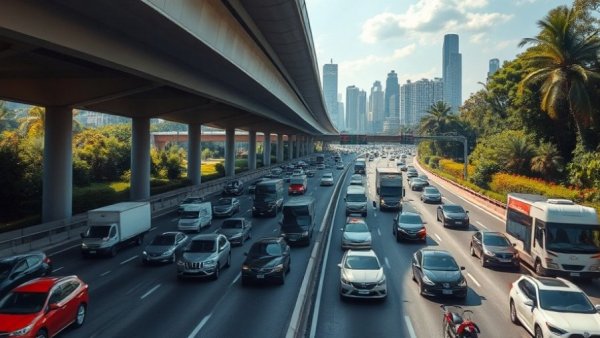
Imagine driving along a three-lane highway when suddenly, two vehicles from opposite directions move toward the center lane, unaware of each other’s intentions until conflict arises. Who is at fault when both drivers were apparently careful, checking mirrors and using turn signals? The intricacies involved in determining liability can be challenging, particularly in South Carolina where the answer isn't as black and white as many might think. The determination of fault hinges on whether both drivers took reasonable precautions before changing lanes. Simply signaling first or moving earlier doesn’t automatically grant one driver the right of way.
The Mechanics of Simultaneous Lane Changes
Simultaneous lane-change accidents are often attributed to various factors that challenge drivers' attention and spatial awareness. For instance, a driver in the left lane seeking to exit the highway may unwittingly collide with another driver in the right lane attempting to overtake slower traffic. The following factors are common contributors to these types of accidents:
- Failure to Check Blind Spots: Drivers frequently neglect their blind spots when merging, which can lead to disastrous results. It's essential for drivers to make a habit of thoroughly checking their mirrors and blind spots, especially when merging or changing lanes.
- Variable Speeds: Discrepancies in vehicle speeds can create hazardous situations during lane changes. A driver may underestimate the speed of a vehicle approaching from behind, causing a collision during the change.
- Insufficient Space: Inadequate space between vehicles can lead to accidents when merging. Drivers should maintain a safe following distance to ensure more time to react to sudden lane changes.
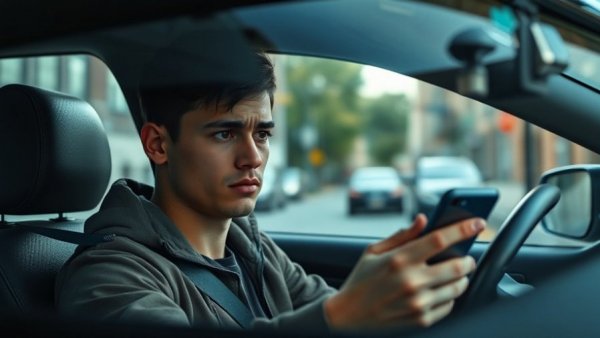
- Distractions: Drivers may focus more on exits than on surrounding traffic when attempting to change lanes, often leading to split-second decisions that overlook important safety considerations.
- Poor Visibility: Weather and road conditions can significantly impair visibility, complicating safe merging. Rain, fog, and darkness can all create scenarios where a lane change that appeared safe may not actually be so.
While using turn signals communicates a driver’s intention, it doesn’t guarantee the lane is clear. Vigilance in checking mirrors and blind spots, assessing surrounding traffic, and waiting until it is safe to merge are crucial practices. Basic defensive driving strategies are vital for navigating these complex situations successfully.
Determining Right of Way During Simultaneous Lane Changes
When two drivers steer toward the same lane, there is no default rule favoring one driver’s claim to right of way. Each driver must assess whether their maneuver can be executed safely. For example, if one driver starts a lane change while another vehicle concurrently merges into the same zone without noticing, fault can be attributed to both parties for failing to observe proper lane change protocols. This complexity underscores the need for thorough investigation in case of an accident to gauge the actions taken by each driver before the collision. Analyzing the entire sequence of events rather than focusing on one detail is essential in fault determination.
Legal Guidelines in South Carolina for Lane Changes
South Carolina Law explicitly outlines the responsibilities regarding lane changes. According to South Carolina Code Section 56-5-1900(a), drivers must remain within their designated lanes unless a safe lane change can be executed. Additionally, Section 56-5-2150(A) emphasizes that movements to the right or left must occur safely with appropriate signaling, while Section 56-5-2150(B) necessitates continuous signaling for a minimum distance of 100 feet before making any turn. These legal provisions underscore that activating a turn signal is not synonymous with ensuring a lane change is safe. Drivers must not only signal their intent but also ascertain that the lane is clear.
Insights from Auto Industry Experts
The intricacies of vehicle safety during lane changes can be further understood through the lens of auto industry experts. They emphasize that vehicle technology, such as blind spot monitoring and adaptive cruise control, enhances driver safety, especially during lane change maneuvers. These assistive technologies can serve as a critical safeguard against potential accidents, increasing overall awareness of surrounding traffic. Automotive safety insider tips suggest that drivers familiarize themselves with their car’s assistive technologies and guidelines to improve safety and reduce the likelihood of accidents.
Common Misconceptions About Lane Changes
Many drivers harbor misconceptions about lane changes. A prevailing myth is that signaling alone is enough to ensure a safe merge. However, without due diligence in observing other vehicles, signaling can lead to accidents. Another misconception is that the first vehicle to signal automatically has priority, which is not true. Both drivers share the responsibility of assessing the danger before merging, emphasizing that safety is a mutual obligation. Understanding these misconceptions can help drivers navigate the complexities of changing lanes more safely.
Conclusion: Navigating Lane Changes Safely
Understanding lane merging dynamics and the factors influencing driver behavior is essential not just for avoiding conflicts but also for cultivating an environment of responsible driving. With awareness and proper adherence to traffic laws, drivers can significantly mitigate risks associated with lane changes. Recognizing the high stakes involved in such maneuvers can foster a culture of vigilance on the roads. If you find yourself in an accident, understanding your rights and responsibilities can be crucial. It may be worthwhile to consider seeking assistance from a car accident lawyer in Myrtle Beach for guidance on navigating potential liabilities stemming from these incidents. Ultimately, a well-informed driver is more likely to make choices that prioritize safety and reduce the dangers associated with lane changes.





Write A Comment