


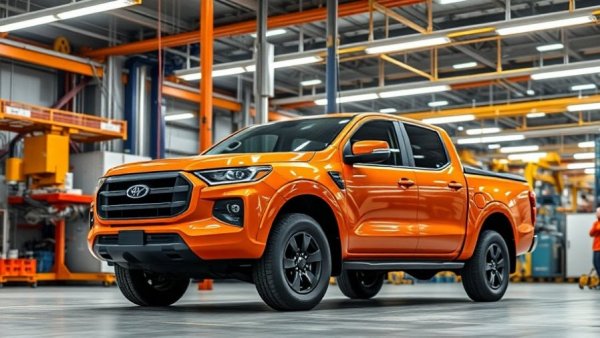
Japan's Automakers Unite: A Revolutionary Move for the Industry
In an unprecedented collaboration, Japan’s automotive giants—Toyota, Nissan, and Honda—are setting the stage for a prime transformation within the car production sector. While each company remains committed to its distinct vehicle designs, their new initiative focuses on a shared goal: to standardize certain materials and components—those often hidden from consumer view—in a bid to reduce production costs. Given the increasing competition from Chinese automakers, this collaboration could herald significant changes for the industry, potentially reshaping not just manufacturing practices but also supply chains and market dynamics.
Why Standardization Matters
This initiative isn't merely about creating identical cars; rather, it centers on harmonizing the specifications that go into manufacturing. Common standards for materials like steel and alignments for plastics and resins are on the agenda. Additionally, the automakers plan to unify color codes for wiring harnesses. Such standardization will ease the burden on suppliers, enabling them to meet fewer distinct requirements. In essence, it allows suppliers to concentrate on quality, without having to reinvent the wheel for different automakers. This simplification can improve efficiency across the board, translating into faster production times and, ultimately, a more agile response to market demands.
The Impact on Industry Costs and Innovation
While there may not be an immediate reduction in the price tags of models like the Camry, Accord, or Altima, the potential savings could be substantial over time. According to Koji Sato, the vice chairman of Toyota and head of the Japan Automobile Manufacturers Association, the effort is aimed at reallocating resources from basic manufacturing to innovative vehicle development. This shift could provide Japanese automakers with a competitive edge that enhances their ability to invest in future technologies. By cutting costs in fundamental areas, they can potentially enhance their research and development initiatives, which may lead to innovations in electric vehicles, autonomous driving, and more environmentally friendly manufacturing practices.
A Time for Change: Looking Back at Industry Trends
The worldwide automotive landscape has changed dramatically since the days of the 1920s, which saw a surge in automobile production. The collaboration among these three manufacturers highlights a current trend of integration and efficiency, likely influenced by how the biggest automobile industries—the likes of which have evolved into the largest auto producers in the world—operate. As the market becomes increasingly competitive, traditional methods of production are evolving. Rivals from regions like North America and Europe are closely monitoring this developmental strategy, which could spark a trend towards similar endeavors elsewhere in the industry.
Cultural Connections: Understanding the Economic Implications
For the Japanese economy, the automotive sector is a pivotal player, ranking among the largest automobile industries globally. By endorsing a standardized approach, these companies are not just safeguarding their immediate interests; they are also reinforcing their reputation and sustaining the economic health of their nation. The importance of this collaboration extends beyond the boardroom; it resonates within communities where these manufacturers are vital employers. The automotive sector in Japan accounts for thousands of jobs, not just in manufacturing but also in ancillary industries like parts suppliers and service businesses. By ensuring the health of the automotive sector, these companies are indirectly boosting regional economies throughout Japan.
Future Implications: What Lies Ahead for Automotive Innovation?
Looking towards the future, the introduction of standardized components could pave the way for new innovations within the automotive industry. By lowering production costs, automakers can dedicate increased funds to research and development, potentially unveiling groundbreaking technologies that revolutionize how we interact with vehicles. Such advancements could include improvements in electric vehicle range, self-driving technology, and enhanced connectivity features that integrate seamlessly with consumer lifestyles. As discussed, while buyers will still differentiate brands based on experience and design, the internal workings of vehicles could evolve rapidly through this focus on standardization, ultimately benefiting the consumer through better products.
Diverse Perspectives: Challenges and Opportunities
Despite the clear advantages, this move is not devoid of its challenges. Critics argue that such standardization could limit creativity in design and functionality. However, proponents assert that innovation isn't sacrificed but enhanced through collaboration. The push for efficiency might make room for fresh ideas in vehicle technology, allowing automakers to stand out without duplicating efforts in fundamental aspects of production. As the industry moves forward, striking a balance between standardized components and unique design will be crucial for maintaining brand identities and meeting consumer expectations.
Conclusion: Embracing a New Era in the Automotive Industry
This moment serves as a precipice for the Japanese automotive industry—a chance to rethink the conventions of car manufacturing. By embracing collaboration, Toyota, Nissan, and Honda are not only enhancing their production efficiencies but are also setting a new standard for competitive practices in the global market. As we watch the industry evolve with these advancements, one can only wonder what unique innovations will arise as a result. This partnership could pave the way for a new era where increased collaboration leads to heightened competitiveness, not just within Japan but globally. For further insights on these critical industry changes, subscribe to our Automotive Addicts Weekly Newsletter. Stay informed, and become a participant in the future of the automotive industry.







Write A Comment