cropper
update
AutoInsiders
update
  • Home
  • Categories
    • insider tips
    • expert reviews
    • industry trends
    • automotive knowledge
    • car insights
    • vehicle advice
    • maintenance tips
    • buying guides
    • market analysis
    • performance reviews
November 21.2026
4 Minutes Read

Why the Genesis GV60 Magma is Revolutionizing Luxury Electric SUVs

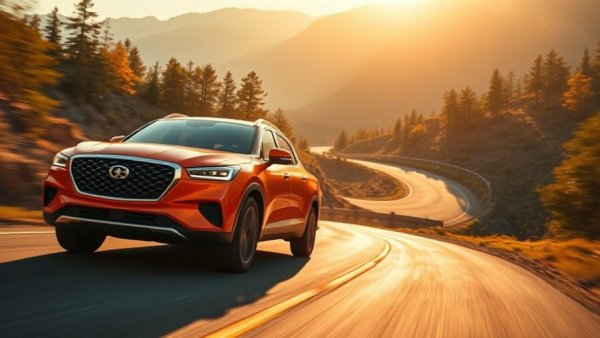
Genesis GV60 Magma driving on a scenic mountain road

Genesis GV60 Magma: A New Era for Luxury Electric SUVs

With the launch of the 2027 Genesis GV60 Magma, the luxury vehicle market is witnessing a significant evolution towards electric performance. This first dedicated high-performance electric SUV from Genesis is not just another addition to the growing list of electric vehicles; it represents a pivotal shift for the brand and its aspirations in the competitive luxury vehicle landscape. The GV60 Magma aims to combine electrification with the thrill of driving, moving beyond the basic functionalities that characterize many electric cars today.

Expansion to New States: Bridging the Gap

The GV60 Magma is now available in 14 states, expanding beyond its initial launch areas of California, New York, and New Jersey. This strategic rollout includes states like Colorado, Connecticut, and Washington, inviting more consumers to experience the vehicle's state-of-the-art technology and impressive performance. For a performance-focused electric SUV, this expansion is crucial to capturing a wider audience, especially as the competition in the electric vehicle (EV) space intensifies. Genesis's careful selection of states for this launch reflects its understanding of regional markets, where electric car adoption is growing rapidly and performance-oriented vehicles are in high demand.

Performance that Sets It Apart: The Heart of the Magma

At the core of the GV60 Magma is its powerful dual electric motors, which generate a staggering 641 horsepower. This level of performance not only places the GV60 Magma in line with traditional sports cars but also underscores Genesis's ambition to position itself among the industry’s performance elites, reminiscent of brands like BMW M and Mercedes-AMG. The advanced engineering allows the vehicle to accelerate with remarkable agility, a trait that appeals to enthusiasts who desire both luxury and performance. In practical terms, this means that the GV60 Magma can sprint from 0 to 60 mph in just a few seconds, offering a thrill that has traditionally been the domain of gasoline-powered vehicles.

Aesthetic Design and Interior Experience: Luxury Reimagined

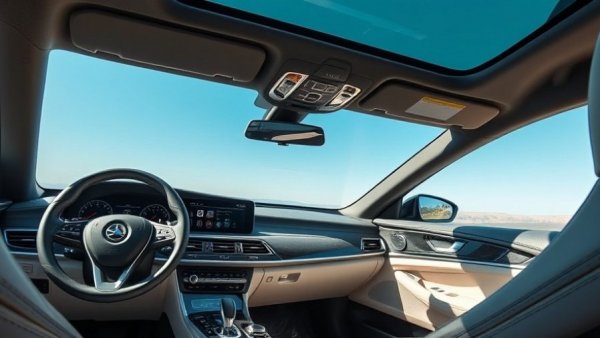
Inside the GV60 Magma, drivers will find a meticulously crafted cabin that harmoniously blends luxury and sportiness. Exclusive features like performance bucket seats and a distinctive interior design with Magma orange stitching set it apart from its sister vehicle, the Hyundai Ioniq 5 N. The dashboard hosts advanced digital displays, providing drivers with real-time performance metrics that enhance the driving experience. Genesis aims to create an engaging driving atmosphere, where luxury doesn’t take a back seat to performance, making the GV60 Magma a versatile option for both daily commuting and spirited driving on the weekends.

The Pricing Strategy: Premium Experience Justifies the Cost

With a starting price of $72,145, the GV60 Magma positions itself above the Hyundai Ioniq 5 N by over $10,000. This premium pricing reflects Genesis's objective to establish a luxury identity that is both distinct and compelling. It aims to resonate with buyers who value not just performance but also refined aesthetics and superior customer experiences. In addition to the vehicle's advanced features, buyers can expect service experiences that are commensurate with the brand's luxury positioning, such as personalized customer service and exclusive maintenance packages.

Genesis's Growing Presence: More Than a Vehicle

The expansion of the GV60 Magma goes hand-in-hand with Genesis's broader strategy to enhance its dealership network across the United States. With 91 dedicated retail locations now operational, Genesis is determined to cultivate a strong community of enthusiasts and customers who appreciate high-performance electric vehicles. Through special events, driving experiences, and a focus on building customer relationships, Genesis is setting itself apart in the crowded luxury automotive market. As the automotive industry transitions towards electrification and sustainability, the establishment of a robust dealership presence is critical for fostering brand loyalty and promoting consumer education about electric vehicles.

Future Predictions: Challenging Established Norms

As Genesis seeks to carve out its niche in the luxury electric SUV market, one must consider the future implications of its performance identity. By building a reputation similar to storied performance brands, Genesis not only aims to attract affluent buyers but also to inspire a new generation of consumers who see electric vehicles as both desirable and high-performing. This vehicle could play a significant role in attracting customers who might have previously aligned themselves with more established brands, thus changing the landscape of consumer preferences. In a time when the biggest automobile industry players are shifting their focus to electrification, Genesis's strategic decisions could define its success, making the GV60 Magma a potential landmark in the brand's evolution.

Conclusion: The Importance of Performance Electric Vehicles

The Genesis GV60 Magma signifies much more than a mere product launch; it's an assertion of what the future holds for electric luxury vehicles. With robust performance, exquisite design, and expanded availability, it represents a bold move by Genesis in an era where electric performance is increasingly paramount. As consumers consider their options in the evolving automotive landscape, the case for considering Genesis's ambitious offerings becomes ever stronger. The introduction of the GV60 Magma not only enhances Genesis's lineup but also contributes to a growing awareness and acceptance of high-performance electric vehicles in the luxury market, paving the way for future innovations and developments in the automotive sector.
automotive knowledge

1 Views

0 Comments

Write A Comment

*
*
Please complete the captcha to submit your comment.
Related Posts All Posts
11.21.2026

How Toyota, Nissan, and Honda's Parts Standardization Will Transform the Automotive Industry

Update Japan's Automakers Unite: A Revolutionary Move for the Industry In an unprecedented collaboration, Japan’s automotive giants—Toyota, Nissan, and Honda—are setting the stage for a prime transformation within the car production sector. While each company remains committed to its distinct vehicle designs, their new initiative focuses on a shared goal: to standardize certain materials and components—those often hidden from consumer view—in a bid to reduce production costs. Given the increasing competition from Chinese automakers, this collaboration could herald significant changes for the industry, potentially reshaping not just manufacturing practices but also supply chains and market dynamics. Why Standardization Matters This initiative isn't merely about creating identical cars; rather, it centers on harmonizing the specifications that go into manufacturing. Common standards for materials like steel and alignments for plastics and resins are on the agenda. Additionally, the automakers plan to unify color codes for wiring harnesses. Such standardization will ease the burden on suppliers, enabling them to meet fewer distinct requirements. In essence, it allows suppliers to concentrate on quality, without having to reinvent the wheel for different automakers. This simplification can improve efficiency across the board, translating into faster production times and, ultimately, a more agile response to market demands. The Impact on Industry Costs and Innovation While there may not be an immediate reduction in the price tags of models like the Camry, Accord, or Altima, the potential savings could be substantial over time. According to Koji Sato, the vice chairman of Toyota and head of the Japan Automobile Manufacturers Association, the effort is aimed at reallocating resources from basic manufacturing to innovative vehicle development. This shift could provide Japanese automakers with a competitive edge that enhances their ability to invest in future technologies. By cutting costs in fundamental areas, they can potentially enhance their research and development initiatives, which may lead to innovations in electric vehicles, autonomous driving, and more environmentally friendly manufacturing practices. A Time for Change: Looking Back at Industry Trends The worldwide automotive landscape has changed dramatically since the days of the 1920s, which saw a surge in automobile production. The collaboration among these three manufacturers highlights a current trend of integration and efficiency, likely influenced by how the biggest automobile industries—the likes of which have evolved into the largest auto producers in the world—operate. As the market becomes increasingly competitive, traditional methods of production are evolving. Rivals from regions like North America and Europe are closely monitoring this developmental strategy, which could spark a trend towards similar endeavors elsewhere in the industry. Cultural Connections: Understanding the Economic Implications For the Japanese economy, the automotive sector is a pivotal player, ranking among the largest automobile industries globally. By endorsing a standardized approach, these companies are not just safeguarding their immediate interests; they are also reinforcing their reputation and sustaining the economic health of their nation. The importance of this collaboration extends beyond the boardroom; it resonates within communities where these manufacturers are vital employers. The automotive sector in Japan accounts for thousands of jobs, not just in manufacturing but also in ancillary industries like parts suppliers and service businesses. By ensuring the health of the automotive sector, these companies are indirectly boosting regional economies throughout Japan. Future Implications: What Lies Ahead for Automotive Innovation? Looking towards the future, the introduction of standardized components could pave the way for new innovations within the automotive industry. By lowering production costs, automakers can dedicate increased funds to research and development, potentially unveiling groundbreaking technologies that revolutionize how we interact with vehicles. Such advancements could include improvements in electric vehicle range, self-driving technology, and enhanced connectivity features that integrate seamlessly with consumer lifestyles. As discussed, while buyers will still differentiate brands based on experience and design, the internal workings of vehicles could evolve rapidly through this focus on standardization, ultimately benefiting the consumer through better products. Diverse Perspectives: Challenges and Opportunities Despite the clear advantages, this move is not devoid of its challenges. Critics argue that such standardization could limit creativity in design and functionality. However, proponents assert that innovation isn't sacrificed but enhanced through collaboration. The push for efficiency might make room for fresh ideas in vehicle technology, allowing automakers to stand out without duplicating efforts in fundamental aspects of production. As the industry moves forward, striking a balance between standardized components and unique design will be crucial for maintaining brand identities and meeting consumer expectations. Conclusion: Embracing a New Era in the Automotive Industry This moment serves as a precipice for the Japanese automotive industry—a chance to rethink the conventions of car manufacturing. By embracing collaboration, Toyota, Nissan, and Honda are not only enhancing their production efficiencies but are also setting a new standard for competitive practices in the global market. As we watch the industry evolve with these advancements, one can only wonder what unique innovations will arise as a result. This partnership could pave the way for a new era where increased collaboration leads to heightened competitiveness, not just within Japan but globally. For further insights on these critical industry changes, subscribe to our Automotive Addicts Weekly Newsletter. Stay informed, and become a participant in the future of the automotive industry.

11.20.2026

The Jaguar XF: A Forgotten Luxury Sports Sedan That Still Inspires

Update A Look Back at an Exceptional Legacy In the world of luxury sedans, the Jaguar XF stands as a testament to British craftsmanship and bold design. Even as the market has shifted significantly toward crossovers, the XF has maintained a unique appeal that goes beyond mere specifications. Designed by the talented Sir Ian Callum, who led Jaguar's design team, the XF features stunning aesthetics that still capture admiration years after its initial debut. While Jaguar ultimately ceased production of the model after the 2024 model year, this moment in automotive history deserves recognition, especially as we witness the transformation of the industry today. Timeless Design That Speaks Volumes The Jaguar XF’s design remains striking, with a front fascia characterized by an oversized trapezoidal grille and ultra-slim LED headlights that create a confident presence on the road. The unique "Double J Blade" daytime running lights add a signature touch that has become synonymous with the brand. At the rear, the sleek lines and gloss black trim mirror the sophistication of the front, maintaining an aesthetic balance not easily matched by competitors. Despite not showcasing its exhaust tips, a choice that could polarize opinions, the XF distinguishes itself through elegance and performance. This minimalist approach is reflective of the broader trend towards cleaner, more integrated designs in modern luxury vehicles. Elements such as the refined bodywork and meticulously crafted interior underscore why the XF has been celebrated as more than just a car; it’s an experience that engages all senses. Performance That Meets Expectations The 2024 Jaguar XF, despite its limited powertrain options, proves that performance doesn’t always equate to excessive horsepower. Offered in the P250 and P300 trims, the XF is powered by a 2.0-liter turbocharged inline-four engine. The P250 version, achieving 246 horsepower with rear-wheel drive, balances performance and luxury effectively. Meanwhile, the P300 variant, featuring all-wheel drive, offers a moderate boost to 296 horsepower, fully satisfying those who crave an exhilarating driving experience. Equipped with an eight-speed automatic transmission, the XF delivers a smooth driving experience, affirming Jaguar's commitment to blending luxury with dynamic driving capability—all essential considerations for potential buyers evaluating the best cars of 2024. The driving comfort provided by the XF is further enhanced by advanced suspension systems that absorb road imperfections, making it equally suitable for both city traffic and long highway journeys. The Changing Landscape of Luxury Vehicles The declining market share of the Jaguar XF mirrors broader trends within the automotive industry, where sedans compete for attention against the ever-growing allure of SUVs and crossovers. In 2024, many consumers prioritize car technology features, real-world fuel efficiency, and safety ratings in their decision-making process. Consequently, understanding this shift is invaluable for car enthusiasts and potential buyers alike, as it defines the landscape of vehicle offerings today. For those considering entering the luxury sedan market, the XF serves as a reminder of the struggles that even iconic brands face in adapting to evolving consumer demands. Features such as comprehensive infotainment systems, driver-assist technologies, and sustainable materials are now as crucial as horsepower, pushing manufacturers to innovate continuously to remain competitive. Lessons from a Discontinued Model Reflecting on the Jaguar XF also presents an opportunity to contemplate the evolution of automotive market strategies. As manufacturers shift focus to electrification and hybrid technologies, luxury sedans like the XF offer insights into what features will remain desirable: quality craftsmanship, enduring design, and a thrilling driving experience. The XF's legacy is not just relegated to its production years; it serves as a case study for understanding consumer desires and expectations in a fast-evolving industry. This model's story illustrates how the car market's dynamics continue to evolve and intertwine with broader social and economic trends. Issues such as environmental impact are now at the forefront of consumer consideration, leading to increasing demand for electric and hybrid vehicles. As Jaguar and other manufacturers navigate these shifts, they must balance the heritage of classic designs with the innovations required for 21st-century drivers. Looking Forward: What’s Next for Automotive Enthusiasts? As we look ahead, the car market continues to see trends toward electric vehicles and improved fuel efficiency. With over 2 million electric vehicles projected to be sold annually by 2030 in the U.S. alone, understanding the balance between performance and sustainability will be vital for both buyers and manufacturers. Analyzing newer models through reliable car reviews and ratings will be crucial for prospective buyers, particularly those weighing options across luxury and performance segments. The shift toward electric vehicles may prompt a reevaluation of what luxury means in the context of automotive transportation. Battery range, charging infrastructure, and advanced technologies are likely to become benchmarks by which cars are judged, possibly overshadowing traditional performance metrics such as horsepower. In conclusion, while the Jaguar XF may no longer be in production, its influence on the luxury sedan market remains palpable. It illustrates a chapter in automotive history worth celebrating, while also reminding us of the importance of thoughtful design and performance even amidst shifting market dynamics. This exploration invites readers to reflect on the implicit values encapsulated in vehicles like the Jaguar XF. To best appreciate the vehicle's impact and the future of car ownership, it’s important to stay informed about not only trends but also about car maintenance insights, ownership costs, and technology advancements.

11.20.2026

Chrysler Unveils 2027 Pacifica's Unique Copperline Design Package

Update Introducing the Copperline Package for the 2027 Chrysler Pacifica The 2027 Chrysler Pacifica is getting a makeover that goes beyond just updated body styling; it’s introducing a fresh appearance package that truly enhances its visual appeal. Unveiled at the Los Angeles Auto Show, the Copperline package offers a warm and inviting touch to the Pacifica's aesthetic, marking a significant departure from the traditional chrome finishes of its predecessors. This new offering exemplifies Chrysler's commitment to stay relevant in a highly competitive market, where consumers increasingly seek personalization in their vehicles. Distinctive Features of the Copperline Package One of the standout features of the new Copperline package is the eye-catching, copper-tinted 20-inch alloy wheels. This aesthetic choice aligns with Chrysler’s shift towards more personalized and distinctive vehicle offerings, appealing to families who desire more than just a utilitarian design in their minivans. The unique wheel design not only enhances the Pacifica's profile but also captures attention in crowded parking lots, making it a visually appealing option for buyers who want their vehicle to stand out. Accompanying the unique wheel design, copper accents are also present on the front and rear fascias, as well as the mirror caps, which altogether lead to a cohesive and attractive look. This package not only stands out but lends a personality to the Pacifica, differentiating it from other family vehicles that may prioritize functionality over style. Inside the Copperline: A Warm Interior Experience Step inside the Copperline-equipped Pacifica, and the attention to detail continues with copper stitching across luxurious Nappa leather seating. Available in both the Limited and Pinnacle trims, this interior upgrade aims to create a cozy atmosphere, perfect for long trips with family. The choice of materials elevates the travel experience, ensuring comfort while maintaining a stylish aesthetic. The metallic accents encompassing the dashboard and vents further contribute to the cabin’s appeal, making it a pleasant environment for drivers and passengers alike. When considering practicality, buyers also have the option to select the Ski Grey interior. This alternative provides a refreshing contrast, giving the cabin an airier feel, which might matter more on a long road trip than what color the mirror caps are. It blends functional design with style, enabling families to customize their ride according to their preference while appealing to those who appreciate a brighter, lighter atmosphere in their vehicle. Understanding the Pricing Structure With the introduction of the Copperline package, buyers should be aware of its premium pricing: $1,995 for the Limited and $995 for the Pinnacle trim. While Ski Grey adds a mere $295 for Select and Limited trims, the decision largely hinges on one’s aesthetic preference versus mere functionality. It’s essential for potential buyers to carefully consider which features align best with their lifestyle and whether the visual distinction offered by the Copperline justifies its higher price tag. If visual distinction is a key selling point, the Copperline stands as a strong contender, adding both value and style to an already practical vehicle. The Market Response and Impact on the Automotive Landscape As automakers seek to appeal to an evolving consumer base, the manner in which vehicles are showcased has transformed. The Pacifica's Copperline package is part of a broader trend towards customization in the automotive industry. Families are no longer just looking for a reliable minivan; they want a vehicle that reflects their identity and meets their needs aesthetically and functionally. As the largest automobile industry in the world continues to grow, innovations in design and personalization are crucial. This effort aligns closely with what consumers today desire: individuality. Consequently, offering unique packages like Copperline not only enhances consumer choice but also strengthens brand loyalty, keeping Chrysler top-of-mind when consumers consider their next vehicle purchase. Future Predictions: What Lies Ahead for Chrysler The strategic offerings like the Copperline package indicate Chrysler’s adaptability in the ever-evolving automotive market. As consumer expectations shift toward experience and visual identity, brands that manage to successfully marry function with unique design—much like the Copperline—will likely thrive. The automotive landscape is becoming increasingly saturated with options, requiring manufacturers to distinguish themselves beyond traditional specifications. Such moves can potentially position Chrysler favorably against the biggest car manufacturers globally, keeping it relevant as consumer tastes continue to evolve. The focus on personalizing family vehicles could also lead to further innovations and specialty packages in the future, catering to diverse preferences. Conclusion: Making an Informed Decision Ultimately, whether to opt for the visual-centric Copperline package or the more practical Ski Grey interior boils down to personal preferences and lifestyle needs. As Chrysler opens orders for both options before the end of 2026, potential buyers should weigh these choices carefully based on how they envision their family vehicle. Embracing the charm of a stylish van could add flair to dreary school pickups without sacrificing practicality. As consumers look to invest in durable vehicles that suit both aesthetic desires and functional family needs, the Copperline package provides an interesting new option worth considering. Stay informed about further updates regarding the 2027 Pacifica and other stunning innovations in the automotive sector by subscribing to automotive industry newsletters. You won’t want to miss out on the latest trends and offerings as they emerge, helping you make the best choices for your family's driving needs.

cropper
update
WorldPulse News
cropper
update

Write a small description of your business and the core features and benefits of your products.

  • update
  • update
  • update
  • update
  • update
  • update
  • update

COMPANY

  • Privacy Policy
  • Terms of Use
  • Advertise
  • Contact Us
  • Menu 5
  • Menu 6

408-903-0493

AVAILABLE FROM 8AM - 5PM

City, State

, ,

ABOUT US

Write a small description of your business and the core features and benefits of your products.

© 2026 CompanyName All Rights Reserved. Address . Contact Us . Terms of Service . Privacy Policy

Terms of Service

Privacy Policy

Core Modal Title

Sorry, no results found

You Might Find These Articles Interesting

T
Please Check Your Email
We Will Be Following Up Shortly
*
*
*