cropper
update
AutoInsiders
update
  • Home
  • Categories
    • insider tips
    • expert reviews
    • industry trends
    • automotive knowledge
    • car insights
    • vehicle advice
    • maintenance tips
    • buying guides
    • market analysis
    • performance reviews
November 17.2026
4 Minutes Read

Could Chevy Silverado Compete with Ford Raptor R and Ram TRX?

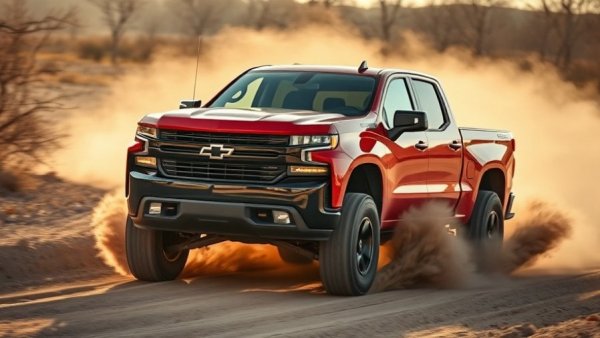
Dynamic Chevy Silverado performance pickup leaping off-road

Chevy Silverados: The Future of Off-Roading

The Chevrolet Silverado, a stalwart in the pickup truck arena, is well-known for its rugged capabilities. Yet, as other automakers inch closer to comfort and speed on off-road terrains, Chevrolet is reportedly eyeing an opportunity to enhance its Silverado lineup with a high-performance variant. This vehicle could rival the formidable Ford F-150 Raptor R and the Ram 1500 TRX, both known for their superiority in powering through challenging environments with unyielding pace. This potential move aligns with the growing trend in the automotive industry towards vehicles that can perform well in both daily driving and off-road conditions, appealing to a broad audience of enthusiasts.

What Makes a Silverado Stand Out?

The existing Chevrolet Silverado ZR2 serves as a commendable indicator of Chevrolet’s progress. Outfitted with 35-inch tires, advanced Multimatic DSSV dampers, and locking differentials, it's well-prepared for intricate trails requiring focus and precision. However, the ZR2 still differentiates itself by catering more to the slow and steady segment of off-roading enthusiasts. A broader interpretation of a performance Silverado, on the other hand, would heavily rely on enhanced suspension technology, wider tracks, and overall robust build to deliver smooth and thrilling rides on rugged terrains and speed-heavy stretches.

Engine Power: A Closer Look

The current Silverado's 6.6-liter V8 engine, cranking out 481 horsepower, competes closely with the Ford’s Raptor (450 hp) and trails the Ram 1500 RHO's 540 hp. However, the high-performance variants from Ford and Ram elevate standards, as the Raptor R boasts an impressive 720 hp, and the TRX pushes 777 hp. Chevrolet acknowledges that to gain ground, it would need to consider upgrading the engine further, possibly introducing a supercharged version, to keep up with its competitors. This power increase would not only cater to off-road performance needs but also appeal to buyers drawn to strong horsepower numbers, a significant consideration in the enthusiast market.

The Competition Ahead

While GM weighs the options on whether to launch a high-performance Silverado or a similar GMC Sierra edition, they are aware of the competitive market landscape. Ford and Ram have set strong benchmarks, bolstering their footholds with models designed to thrill off-roaders and speed enthusiasts alike. As of 2023, these brands have cultivated strong followings among truck enthusiasts, driving demand for powerful and capable vehicles. It’s noteworthy that Toyota is also reported to be exploring its high-performance Tundra, which indicates that a race for the fastest off-road pickup is heating up. This increasing competition suggests that any new offering from Chevrolet would need to bring something truly unique to the table in order to capture the interest of consumers.

Transforming Potential Into Reality: The Strategic Takeaway

While the discussion around a new powerhouse Silverado remains speculative, the real question is whether Chevrolet sees a substantial market opportunity to venture into this powerful segment. Increasing competition means that any move by Chevy should not only focus on engine specifications but also on creating a distinctive driving experience compared to its ZR2 or other competitors. Industry experts suggest that a truck of this nature must offer superior handling at high speeds as well as facilitate an enjoyable off-road experience. This may include adopting more advanced materials and technology to shed weight while improving performance.

The uniqueness of this potential vehicle isn’t merely about horsepower; it’s about creating a Silverado that is distinct from its ZR2 sibling, ideal for users who favor speed and agility in off-road settings. Features such as a wider stance, upgraded shock absorbers, and improved aerodynamics could significantly enhance overall performance, making a high-performance Silverado an exciting option for those who seek adrenaline and adventure.

Future Insights: What Lies Ahead

The potential launch of a high-performance Silverado aligns with broader trends in the automotive marketplace. The world is leaning towards high-octane vehicles that encompass excitement and functionality, especially in a time when outdoor activities are booming. Chevrolet can leverage this trend by creating a truck that resonates with thrill-seekers while fulfilling the practical needs of everyday drivers. Adventure enthusiasts are more inclined to consider vehicles that can tackle both everyday tasks and weekend escapades with ease.

Moreover, integrating cutting-edge technology into the truck—like improvements in driver assistance systems combined with sport suspension setups—could pave the way for a next-generation pickup that excites and comforts drivers. Innovations such as adaptive cruise control and advanced traction management would enhance the driving experience, making the new Silverado not only powerful but also smarter than its predecessor.

Conclusion: A Chance to Change the Game

In conclusion, the automotive space is ripe for innovation, and with rivals advancing their offerings, Chevy's potential entry into the high-performance realm with the Silverado presents an enticing opportunity. By throwing its hat into the ring, Chevrolet could not only compete with industry giants but also redefine the capabilities of off-road pickups. This initiative would effectively respond to growing consumer demand for vehicles that blend capability with thrilling performance. Engage with the evolving automotive landscape; stay informed about developments in the high-performance pickup truck segment. Understanding how this potential shift may impact your next vehicle purchase could be the key to making an informed decision, ensuring that you choose a truck that meets your specific needs—whether for work, play, or a thrilling mix of both.

automotive knowledge

1 Views

0 Comments

Write A Comment

*
*
Please complete the captcha to submit your comment.
Related Posts All Posts
11.19.2026

Waymo's Freeway Ban: Implications for the Future of Autonomous Vehicles

Update The Current State of Autonomous Driving Regulations California's recent decision to temporarily ban Waymo's driverless cars from the state’s freeways has raised important questions about the future of autonomous driving. The ban, imposed by the California Department of Motor Vehicles (DMV), followed two safety incidents involving Waymo vehicles. In both cases, the cars failed to respond appropriately to construction zones and police maneuvers, which highlights the limitations still present in current autonomous technologies. Understanding the Incidents: What Went Wrong? The incidents in the Bay Area, where Waymo cars drove into an active construction zone and attempted to circumvent police traffic control, showcase a critical gap in the vehicles’ ability to interpret changing road conditions. Unlike static lane markings, recognizing temporary alterations in road usage demands a higher level of situational awareness that autonomous systems have yet to fully master. As we assess these failures, it's crucial to consider how often human drivers themselves misjudge such situations. While humans can intuitively react to changes, autonomous vehicles depend heavily on encoded data and pre-defined algorithms that may not encompass all real-world variables. Waymo's Response: A Shift Toward Cautious Testing In light of the incidents, Waymo has proactively suspended its autonomous freeway operations in all markets and plans to conduct tests with trained specialists at the wheel. This cautious approach underlines the company's commitment to safety, albeit it raises questions about the robustness of its technology. Waymo's actions included a thorough review of its vehicles' software systems and hardware configurations to identify how they can better interact with dynamic environments, particularly in urban settings where many variables constantly shift. Waymo has emphasized that the road to perfection involves rigorous testing and adapting to feedback from real-world experiences. The company aims to address the challenges that arose during these incidents before reintroducing freeway operations. Thus, for riders who used to enjoy autonomous freeway journeys, this change means a return to a strictly local driving experience for the foreseeable future. Industry Trends: Where Does California Stand in Autonomous Driving? California has long been a leader in autonomous technology development. Historically, the state has served as a testing ground for various tech giants and startups alike striving to innovate in the self-driving sector. However, the state's regulatory landscape is tightening as officials prioritize safety amid rapid technological advancement. This shift reflects a broader trend across the United States where lawmakers and regulators are increasingly scrutinizing self-driving technology to prevent accidents and ensure public safety. In the wake of various incidents involving autonomous vehicles, California's DMV has signaled that while embracing innovation, there is an urgent need for accountability and proper oversight. The DMV's decision reflects not just local concerns but resonates nationwide, prompting other states to reconsider their regulations concerning autonomous vehicles. The Bigger Picture: How This Impacts the Automotive Industry Waymo’s suspension raises significant discussions about the competitive landscape of the automotive industry, particularly regarding autonomy. As the largest automobile manufacturers in the world, traditional producers such as Ford and General Motors are investing heavily in developing their own autonomous technologies. The competitive pressure mounts as they closely monitor Waymo's operations, given that the regulatory turbulence may influence their strategies and timelines for rolling out driverless vehicles. The automotive sector is evolving rapidly, with traditional automakers recognizing the necessity of aligning with new technological advances. Companies are encouraged to collaborate and innovate responsibly; thus, the implications of Waymo's temporary ban become crucial for all players in the market. The race for autonomy and safety highlights the need for historical practices to adapt to cutting-edge technologies. Future Predictions: The Road Ahead for Autonomous Vehicles Going forward, the success of autonomous vehicle deployment will likely hinge on continuous advancements in machine learning and artificial intelligence. These technologies must focus on the nuances of real-world driving ranging from complex urban landscapes to minimizing errors in construction situations. Furthermore, companies will need to invest in comprehensive testing methodologies—validating their technologies not just in ideal conditions but also under the myriad unpredictable scenarios that occur in real-world driving. Collaboration between tech companies and regulatory bodies will be fundamental in creating comprehensive testing strategies and guidelines that ensure the safety of both autonomous vehicles and human drivers alike. Public Safety and Perception: A Fine Balance The balance between innovation and public safety in the autonomous vehicle sector is delicate. Regulatory bodies must adapt to emerging technologies while protecting consumers from potential hazards. As they do so, they should also engage with the broader public to enhance transparency and trust in these technologies. Continuous dialogue regarding the benefits and risks associated with autonomous driving will enable a more informed public. Public perception plays a pivotal role in how autonomous vehicles will be adopted. It is vital that people feel confident in the safety and reliability of self-driving cars. Companies like Waymo must not only work on improving their technology but also on fostering community awareness and understanding of how these vehicles operate. Conclusion: The Road to Safer Autonomous Driving As Waymo and other companies navigate the complexities of autonomous vehicle regulation, it is essential that they prioritize safety, adaptability, and transparency. The incidents leading to California’s ban serve as stark reminders that while we may be advancing toward a driverless future, there is still much work to be done to ensure that such technology can effectively and safely coexist with human drivers. It calls for a collaborative effort between regulators, technology developers, and the community to pave the way for the widespread adoption of these groundbreaking innovations. In this ever-evolving landscape, only through collective effort will we find a path that balances innovation with the essential need for safety.

11.19.2026

Ford Ships Michigan-Made LFP Cells: A Critical Step for Electric Vehicles

Update Ford Takes a Leap Forward in Electric Vehicle Production Ford is making headlines by advancing its electric pickup line with an exciting development: the first lithium iron phosphate (LFP) battery cells manufactured at its new facility in Marshall, Michigan. The initial shipment of these cells is on its way to Ford's Louisville Assembly Plant, where they will be utilized in prototypes of the highly anticipated Fathom midsize electric pickup. The Fathom model is seen as a critical component of Ford's strategy to compete more effectively in the rapidly evolving landscape of electric vehicles (EVs). What Are LFP Battery Cells? LFP cells are gaining traction within the electric vehicle (EV) industry due to their lower cost compared to traditional nickel-based batteries. Not only are they affordable, but they also offer impressive durability, making them an appealing option for manufacturers aiming to provide long-lasting performance. In addition, LFP technology is known for its thermal stability, which adds extra safety features—an essential consideration in the design of EVs. Ford’s choice to leverage technology licensed from Chinese manufacturer CATL indicates a strategic approach to expedite production capabilities without the need to start from scratch. This move not only accelerates Ford's EV advancements but also emphasizes the need for innovation amidst rising global competition. The shift toward LFP technology aligns with broader trends in the automotive industry, where companies are increasingly exploring sustainable options. The Structural Advantage of Ford's Design Another critical aspect of Ford's production strategy is its innovative approach to battery pack design. By integrating the battery pack into the truck's structure, Ford aims to reduce excess hardware while enhancing the vehicle's overall performance and efficiency. This dual-functionality approach embodies a significant shift towards optimizing electric vehicle designs and could reshape industry standards going forward. The structural design not only saves weight but also optimizes space, allowing for more flexibility in design and potentially increasing the vehicle's overall range. This progressive approach could also encourage other manufacturers to rethink their own designs, ushering in a new era of EV engineering. Concerns in Washington: A Need for Assurance Despite its promising advancements, Ford's reliance on foreign technology has raised eyebrows in Washington. U.S. Transportation Secretary Sean Duffy has expressed caution regarding this dependency, highlighting the challenges American manufacturers face in the competitive landscape of the global auto industry. This reliance highlights a larger narrative concerning the balance between rapid technological advancement and national security considerations. Politicians and industry advocates alike are scrutinizing partnerships that could impact domestic job creation and innovation in the U.S. automotive sector. Ford argues that this licensing agreement allows for the swift realization of cost-effective EV batteries, which is critical as they prepare to launch new models. Still, ongoing dialogues and policies may dictate how future operational strategies will unfold. Market Implications: Will Savings Benefit Consumers? While the production capabilities are exciting, the real question remains—will these innovations translate to consumer savings? Ford has yet to specify how significantly the production of LFP cells will impact pricing for consumers once the Fathom pickup is ready for market. The company is operating within a landscape where competitors such as Tesla and General Motors are striving to offer affordable and high-performance EV models. Given that the auto industry is experiencing tremendous shifts towards electrification, Ford must ensure that these production savings contribute to a tangible reduction in vehicle costs, appealing to a broad range of buyers. In a consumer-driven market, perceived value will play a crucial role in attracting potential customers. Ford's strategy will increasingly need to focus not just on the vehicle specifications but also on how these innovations are communicated to consumers who are becoming more discerning about their purchases. The Road Ahead: What’s Next for Ford? With battery pack production anticipated to commence in Marshall by 2027, Ford is racing against time. The automotive landscape is rapidly evolving, driven by technological disruptions and changing consumer preferences. Many other manufacturers are racing to adapt, including traditional giants and newcomers alike in the electric segment. Ford’s opportunity lies in its ability to innovate and generate excitement amongst potential buyers, particularly those seeking value and utility in their electric vehicles. As the competition intensifies, maintaining a keen focus on consumer needs will be crucial. Ford hopes its latest innovations will allow it to reclaim its position among the major automotive producers in the world. The race toward creating more efficient and versatile electric vehicles is not just about the vehicles themselves but encompasses the entire ecosystem, including charging infrastructure and sustainability practices. A Call to Observe and Engage with the Industry As we follow Ford's developments closely, it's essential for consumers to stay informed about the advancements in the automotive space. The transition to electric vehicles is not only about performance but also about making them accessible and affordable. Engaging with industry news can arm consumers with the knowledge they need to navigate their vehicle choices more effectively. As alternatives to traditional gas-powered vehicles become more widely adopted, public interest and discourse will play an important role in shaping the future of transportation. In conclusion, Ford's shipping of the first Michigan-made LFP cells signifies a major step forward in its electric vehicle journey, promising potential benefits for consumers in efficiency and cost. The company is recognized as a leader in innovation, and as the industry stands at a pivotal moment, understanding these shifts will yield valuable insights for consumers and auto enthusiasts alike. Observing these developments closely will help consumers make informed decisions about their automotive futures.

11.18.2026

Honda's $462 Million Investment in Alabama: A Game Changer for Hybrid Engines

Update The Shift in Honda's Strategy: A Closer Look Honda's announcement of a significant $462 million investment in its Alabama plant marks a pivotal moment for the automotive landscape in the United States. For a factory that began its journey by producing the Odyssey, the expansion promises to enhance not only the plant's operational capabilities but also its commitment to hybrid technology. The new V6 hybrid engine line aims to cater specifically to Honda's larger family vehicles, addressing changing consumer demands while accommodating environmental considerations. This investment highlights Honda's strategic shift towards hybrids, aligning with broader industry trends as manufacturers compete to meet evolving consumer preferences. Economic Implications of the Expansion This move is more than just an addition to Honda's production capabilities; it’s part of a broader economic narrative. The project is anticipated to create 200 new jobs, which is crucial for local employment in Lincoln. An economic impact study estimates Honda's current footprint in Alabama generates an astounding $11.7 billion when including direct suppliers, underscoring Honda's integral role in Alabama's economic fabric. As the state seeks to build a more versatile automotive industry, this investment signals confidence in local manufacturing and a willingness to innovate within the automotive realm. Honda's presence not only provides thousands of jobs but also supports local businesses, contributing to a robust community economy. Hybrid Engines: Meeting Consumer Needs and Expectations The introduction of a dedicated hybrid assembly line reflects Honda's recognition of the shifting tides in consumer preferences, with many people increasingly embracing vehicles that prioritize fuel efficiency. While Honda has established a reputation for crafting reliable and efficient vehicles, the challenge remains in how they engineer hybrid powertrains, especially in larger models like SUVs and pickups. Expectation builds around the performance of these hybrids; will they meet the power demands of larger families? As families often travel with full cabins and cargo, Honda's strategy tackles both efficiency and performance head-on. Consumers are seeking more capable vehicles that do not compromise on power or comfort, and Honda faces the challenge of marrying these facets effectively. Comparing Honda's Efforts in the Broader Automotive Scene This latest endeavor comes on the heels of Honda’s $3 billion investment in an Ohio facility that also aims to ramp up production for electric vehicles (EVs) and hybrids. While Ohio focuses on broadening Honda's offerings of environmentally friendly vehicles, Alabama's specific trajectory towards hybrid engines indicates a tailored approach that might allow Honda to adjust its production capabilities fluidly according to market demands. This dual investment strategy highlights Honda's commitment to both hybrid technology and electrification, showcasing the brand's adaptability as consumer preferences evolve. As global automotive giants rush to innovate in the hybrid and electric space, Honda is actively positioning itself to meet near-future mobility needs. The specific commitment to hybrid engines in Alabama suggests an understanding of regional consumer habits, where larger family vehicles dominate sales. Additionally, Honda's competitors, such as Ford and Toyota, are also adapting their lineups to include hybrid technology, making it essential for Honda to distinguish its offerings through innovation and performance. The Path Ahead for Honda and Alabama As the automotive market transitions towards electrification and sustainability, observing how Honda adapts its production strategies will be key. The V6 hybrid engine may be the start of a more extensive lineup of hybrids tailored for various consumer needs, but it also raises questions about how effectively Honda can balance performance with fuel efficiency. Time will tell which vehicles will benefit, but industry watchers expect that models such as the Pilot and Odyssey could lead the charge. Moreover, understanding the consumer landscape is vital. With rising fuel prices and increasing environmental awareness, consumers may be more inclined to consider hybrid options. Honda's focus on hybrids appears well-timed, potentially addressing the market's push for greener alternatives. If the new hybrid engines deliver on performance and fuel economy, they could become essential players in household decision-making processes as families evaluate their vehicle choices. For consumers, this expansion not only promises new job creation but also reinforces Honda's commitment to producing innovative vehicles. Understanding what this means for your next vehicle purchase is essential—will hybrid versions of popular models bring the efficiency needed for today’s environmentally conscious families? Only time and subsequent announcements will reveal the complete picture, but one thing is certain: Honda's Alabama plant is set to play a vital role in their future. The investment enhances the conversation around flexibility and efficiency within the automotive manufacturing framework, setting the stage for how automakers can respond to market needs effectively. Conclusion: Why Staying Informed Matters As Honda continues to innovate and expand its hybrid offerings, it’s crucial for consumers to stay informed about the latest developments in the automotive industry. This investment exemplifies a growing trend towards flexible and efficient vehicle manufacturing that resonates with the broader automotive landscape. The shift towards hybrid powertrains is a reflection of consumer needs—be sure to follow these advancements to make informed decisions about your next vehicle purchase. Honda’s proactive steps illustrate not only a response to current consumer demands but also a significant investment in sustainable practices that may very well define the future of family transportation in America.

cropper
update
WorldPulse News
cropper
update

Write a small description of your business and the core features and benefits of your products.

  • update
  • update
  • update
  • update
  • update
  • update
  • update

COMPANY

  • Privacy Policy
  • Terms of Use
  • Advertise
  • Contact Us
  • Menu 5
  • Menu 6

408-903-0493

AVAILABLE FROM 8AM - 5PM

City, State

, ,

ABOUT US

Write a small description of your business and the core features and benefits of your products.

© 2026 CompanyName All Rights Reserved. Address . Contact Us . Terms of Service . Privacy Policy

Terms of Service

Privacy Policy

Core Modal Title

Sorry, no results found

You Might Find These Articles Interesting

T
Please Check Your Email
We Will Be Following Up Shortly
*
*
*