


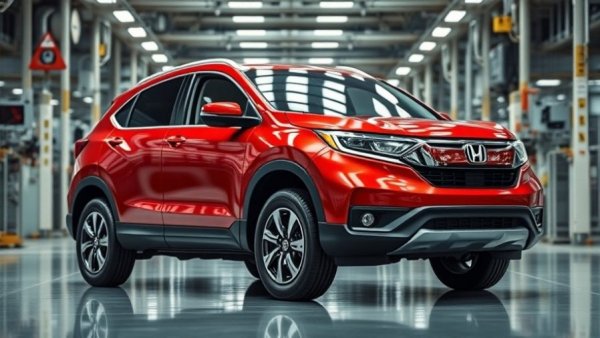
The Shift in Honda's Strategy: A Closer Look
Honda's announcement of a significant $462 million investment in its Alabama plant marks a pivotal moment for the automotive landscape in the United States. For a factory that began its journey by producing the Odyssey, the expansion promises to enhance not only the plant's operational capabilities but also its commitment to hybrid technology. The new V6 hybrid engine line aims to cater specifically to Honda's larger family vehicles, addressing changing consumer demands while accommodating environmental considerations. This investment highlights Honda's strategic shift towards hybrids, aligning with broader industry trends as manufacturers compete to meet evolving consumer preferences.
Economic Implications of the Expansion
This move is more than just an addition to Honda's production capabilities; it’s part of a broader economic narrative. The project is anticipated to create 200 new jobs, which is crucial for local employment in Lincoln. An economic impact study estimates Honda's current footprint in Alabama generates an astounding $11.7 billion when including direct suppliers, underscoring Honda's integral role in Alabama's economic fabric. As the state seeks to build a more versatile automotive industry, this investment signals confidence in local manufacturing and a willingness to innovate within the automotive realm. Honda's presence not only provides thousands of jobs but also supports local businesses, contributing to a robust community economy.
Hybrid Engines: Meeting Consumer Needs and Expectations
The introduction of a dedicated hybrid assembly line reflects Honda's recognition of the shifting tides in consumer preferences, with many people increasingly embracing vehicles that prioritize fuel efficiency. While Honda has established a reputation for crafting reliable and efficient vehicles, the challenge remains in how they engineer hybrid powertrains, especially in larger models like SUVs and pickups. Expectation builds around the performance of these hybrids; will they meet the power demands of larger families? As families often travel with full cabins and cargo, Honda's strategy tackles both efficiency and performance head-on. Consumers are seeking more capable vehicles that do not compromise on power or comfort, and Honda faces the challenge of marrying these facets effectively.
Comparing Honda's Efforts in the Broader Automotive Scene
This latest endeavor comes on the heels of Honda’s $3 billion investment in an Ohio facility that also aims to ramp up production for electric vehicles (EVs) and hybrids. While Ohio focuses on broadening Honda's offerings of environmentally friendly vehicles, Alabama's specific trajectory towards hybrid engines indicates a tailored approach that might allow Honda to adjust its production capabilities fluidly according to market demands. This dual investment strategy highlights Honda's commitment to both hybrid technology and electrification, showcasing the brand's adaptability as consumer preferences evolve.
As global automotive giants rush to innovate in the hybrid and electric space, Honda is actively positioning itself to meet near-future mobility needs. The specific commitment to hybrid engines in Alabama suggests an understanding of regional consumer habits, where larger family vehicles dominate sales. Additionally, Honda's competitors, such as Ford and Toyota, are also adapting their lineups to include hybrid technology, making it essential for Honda to distinguish its offerings through innovation and performance.
The Path Ahead for Honda and Alabama
As the automotive market transitions towards electrification and sustainability, observing how Honda adapts its production strategies will be key. The V6 hybrid engine may be the start of a more extensive lineup of hybrids tailored for various consumer needs, but it also raises questions about how effectively Honda can balance performance with fuel efficiency. Time will tell which vehicles will benefit, but industry watchers expect that models such as the Pilot and Odyssey could lead the charge.
Moreover, understanding the consumer landscape is vital. With rising fuel prices and increasing environmental awareness, consumers may be more inclined to consider hybrid options. Honda's focus on hybrids appears well-timed, potentially addressing the market's push for greener alternatives. If the new hybrid engines deliver on performance and fuel economy, they could become essential players in household decision-making processes as families evaluate their vehicle choices.
For consumers, this expansion not only promises new job creation but also reinforces Honda's commitment to producing innovative vehicles. Understanding what this means for your next vehicle purchase is essential—will hybrid versions of popular models bring the efficiency needed for today’s environmentally conscious families? Only time and subsequent announcements will reveal the complete picture, but one thing is certain: Honda's Alabama plant is set to play a vital role in their future. The investment enhances the conversation around flexibility and efficiency within the automotive manufacturing framework, setting the stage for how automakers can respond to market needs effectively.
Conclusion: Why Staying Informed Matters
As Honda continues to innovate and expand its hybrid offerings, it’s crucial for consumers to stay informed about the latest developments in the automotive industry. This investment exemplifies a growing trend towards flexible and efficient vehicle manufacturing that resonates with the broader automotive landscape. The shift towards hybrid powertrains is a reflection of consumer needs—be sure to follow these advancements to make informed decisions about your next vehicle purchase. Honda’s proactive steps illustrate not only a response to current consumer demands but also a significant investment in sustainable practices that may very well define the future of family transportation in America.




Write A Comment