


Ford Takes a Leap Forward in Electric Vehicle Production
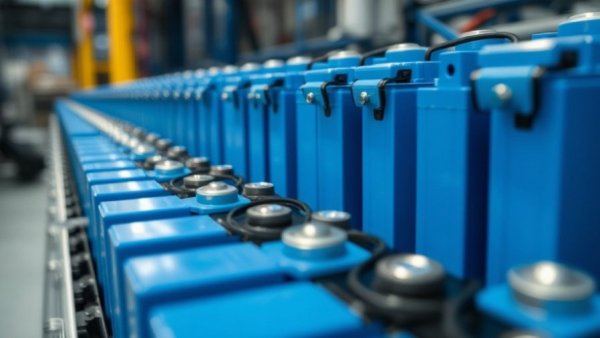
Ford is making headlines by advancing its electric pickup line with an exciting development: the first lithium iron phosphate (LFP) battery cells manufactured at its new facility in Marshall, Michigan. The initial shipment of these cells is on its way to Ford's Louisville Assembly Plant, where they will be utilized in prototypes of the highly anticipated Fathom midsize electric pickup. The Fathom model is seen as a critical component of Ford's strategy to compete more effectively in the rapidly evolving landscape of electric vehicles (EVs).
What Are LFP Battery Cells?
LFP cells are gaining traction within the electric vehicle (EV) industry due to their lower cost compared to traditional nickel-based batteries. Not only are they affordable, but they also offer impressive durability, making them an appealing option for manufacturers aiming to provide long-lasting performance. In addition, LFP technology is known for its thermal stability, which adds extra safety features—an essential consideration in the design of EVs. Ford’s choice to leverage technology licensed from Chinese manufacturer CATL indicates a strategic approach to expedite production capabilities without the need to start from scratch. This move not only accelerates Ford's EV advancements but also emphasizes the need for innovation amidst rising global competition. The shift toward LFP technology aligns with broader trends in the automotive industry, where companies are increasingly exploring sustainable options.
The Structural Advantage of Ford's Design
Another critical aspect of Ford's production strategy is its innovative approach to battery pack design. By integrating the battery pack into the truck's structure, Ford aims to reduce excess hardware while enhancing the vehicle's overall performance and efficiency. This dual-functionality approach embodies a significant shift towards optimizing electric vehicle designs and could reshape industry standards going forward. The structural design not only saves weight but also optimizes space, allowing for more flexibility in design and potentially increasing the vehicle's overall range. This progressive approach could also encourage other manufacturers to rethink their own designs, ushering in a new era of EV engineering.
Concerns in Washington: A Need for Assurance
Despite its promising advancements, Ford's reliance on foreign technology has raised eyebrows in Washington. U.S. Transportation Secretary Sean Duffy has expressed caution regarding this dependency, highlighting the challenges American manufacturers face in the competitive landscape of the global auto industry. This reliance highlights a larger narrative concerning the balance between rapid technological advancement and national security considerations. Politicians and industry advocates alike are scrutinizing partnerships that could impact domestic job creation and innovation in the U.S. automotive sector. Ford argues that this licensing agreement allows for the swift realization of cost-effective EV batteries, which is critical as they prepare to launch new models. Still, ongoing dialogues and policies may dictate how future operational strategies will unfold.
Market Implications: Will Savings Benefit Consumers?
While the production capabilities are exciting, the real question remains—will these innovations translate to consumer savings? Ford has yet to specify how significantly the production of LFP cells will impact pricing for consumers once the Fathom pickup is ready for market. The company is operating within a landscape where competitors such as Tesla and General Motors are striving to offer affordable and high-performance EV models. Given that the auto industry is experiencing tremendous shifts towards electrification, Ford must ensure that these production savings contribute to a tangible reduction in vehicle costs, appealing to a broad range of buyers. In a consumer-driven market, perceived value will play a crucial role in attracting potential customers. Ford's strategy will increasingly need to focus not just on the vehicle specifications but also on how these innovations are communicated to consumers who are becoming more discerning about their purchases.
The Road Ahead: What’s Next for Ford?
With battery pack production anticipated to commence in Marshall by 2027, Ford is racing against time. The automotive landscape is rapidly evolving, driven by technological disruptions and changing consumer preferences. Many other manufacturers are racing to adapt, including traditional giants and newcomers alike in the electric segment. Ford’s opportunity lies in its ability to innovate and generate excitement amongst potential buyers, particularly those seeking value and utility in their electric vehicles. As the competition intensifies, maintaining a keen focus on consumer needs will be crucial. Ford hopes its latest innovations will allow it to reclaim its position among the major automotive producers in the world. The race toward creating more efficient and versatile electric vehicles is not just about the vehicles themselves but encompasses the entire ecosystem, including charging infrastructure and sustainability practices.
A Call to Observe and Engage with the Industry
As we follow Ford's developments closely, it's essential for consumers to stay informed about the advancements in the automotive space. The transition to electric vehicles is not only about performance but also about making them accessible and affordable. Engaging with industry news can arm consumers with the knowledge they need to navigate their vehicle choices more effectively. As alternatives to traditional gas-powered vehicles become more widely adopted, public interest and discourse will play an important role in shaping the future of transportation.
In conclusion, Ford's shipping of the first Michigan-made LFP cells signifies a major step forward in its electric vehicle journey, promising potential benefits for consumers in efficiency and cost. The company is recognized as a leader in innovation, and as the industry stands at a pivotal moment, understanding these shifts will yield valuable insights for consumers and auto enthusiasts alike. Observing these developments closely will help consumers make informed decisions about their automotive futures.







Write A Comment