


Understanding Pedestrian Safety Amid Heavy Traffic
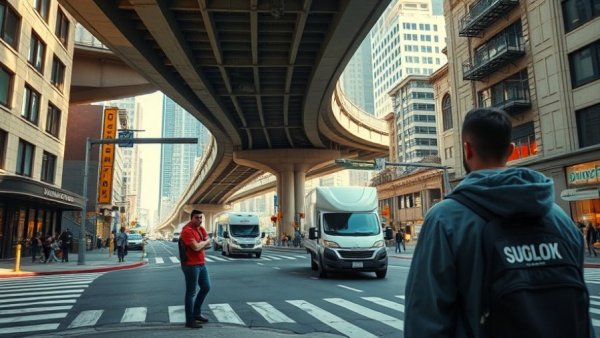
As cities evolve and adapt to increasing populations and business activities, the mix of delivery vehicles and pedestrian traffic presents significant safety challenges. Fresno, California, with its busy intersections and commercial areas, is a prime example where these challenges manifest. Notably, the intersection of Blackstone Avenue and Shaw Avenue is a hotspot for pedestrian activity mixed with delivery traffic. When a delivery vehicle obstructs a pedestrian's view, lives can be impacted in mere seconds. The lingering question remains: who is responsible when such accidents occur, and how can we work together to prevent them?
Who Holds Responsibility for Traffic Accidents?
Determining responsibility in a pedestrian accident involving a delivery vehicle is not always straightforward. Liability often hinges on whether negligent behavior contributed to the occurrence of an accident. Potentially liable parties may include:
- Delivery Driver: If the driver parked illegally or failed to ensure pedestrian safety by blocking a crosswalk or important sightlines.
- Delivery Company: If the company endorsed unsafe practices—such as inadequate training on safe parking or delivery procedures—that lead to accidents.
- Property Owner: If properties are not adequately maintained, creating hazardous conditions that affect pedestrian safety, such as improper signage or poorly marked crosswalks.
- Other Motorists: If their actions also contribute to the unsafe environment, such as speeding or aggressive driving that complicates pedestrian visibility.
For example, a driver may argue that the pedestrian stepped into traffic suddenly, disregarding their surroundings. Conversely, the pedestrian may assert that the delivery vehicle blocked their primary sightline to oncoming cars, making it impossible to judge safety accurately. This back-and-forth over accountability can complicate investigations and has significant implications for pedestrian safety.
California Laws Governing Pedestrian Safety
California has specific laws aimed at protecting pedestrians and ensuring their safety. The California Vehicle Code § 22500 strictly prohibits stopping or parking on crosswalks, and nearby distance prohibitions exist to enhance visibility at intersections. For instance, vehicles must not park within 20 feet of a crosswalk’s approach side or within 15 feet where a curb extension exists. Moreover, California law mandates that drivers must yield to pedestrians in both marked and unmarked crosswalks, representing a critical aspect of pedestrian rights. Understanding these regulations can empower individuals and shed light on their rights during disputes involving pedestrian injuries.
The Role of Comparative Negligence in Liability
In California, comparative negligence plays a pivotal role in determining culpability in pedestrian accidents. This system allows for each party involved to share a percentage of blame. Therefore, even if a pedestrian is found to be partly at fault, they may still pursue compensation. For instance, if a pedestrian crosses but a van blocks their view, and the court assesses them as 30% liable, they may still recover 70% of their damages. This legal structure acknowledges the complex dynamics at play in road safety and emphasizes the shared responsibilities of all road users.
Preserving Evidence for Your Case
Preserving evidence after an accident is instrumental in building a solid case. If an incident occurs, take steps to collect vital evidence:
- Photographs of the delivery vehicle, crosswalk, and any obstructions can illustrate how the environment contributed to the accident.
- Details of the vehicle's license plate and company identification can clarify liability and help in filing insurance claims.
- Contact information from witnesses, as their accounts may provide crucial perspectives to support your case, along with police reports that document the incident.
- Documentation of medical records and invoices tied to your injuries, which are essential for establishing the financial impact of the accident.
- Request businesses nearby to retain any surveillance footage, as video may provide crucial evidence for your case. Quick action is advised since recordings may be erased over time.
Such evidence not only supports your narrative but can be invaluable during legal proceedings, emphasizing the importance of immediate steps following an accident.
Current Trends in Pedestrian Safety Across the U.S.
Across the country, pedestrian safety continues to be a pressing issue. The NHTSA reported alarming statistics in 2023, indicating over 7,300 pedestrian fatalities and more than 68,000 injuries related to traffic accidents. These figures underscore the critical need for improved safety measures in urban environments. Strategies to enhance pedestrian safety include enhanced urban planning that prioritizes walkable neighborhoods, improved signage and crosswalk visibility, and the implementation of stricter enforcement of traffic laws concerning delivery vehicles. Community initiatives, such as educational programs aimed at both drivers and pedestrians, could also play a role in reducing these tragic occurrences. The evolving landscape of transportation calls for a collective effort from authorities, delivery companies, and the public to ensure safer streets.
Frequently Asked Questions About Pedestrian Rights
Can a delivery driver park anywhere to unload?
No, delivery drivers must adhere to parking laws and utilize designated loading zones, ensuring no obstruction to pedestrian visibility. These regulations are in place for the safety of all road users.
Can I recover damages if I share some fault?
Yes, under California’s comparative negligence rules, you may still recover damages even if you were partially at fault, although such recovery might be reduced based on your level of liability, reflecting a fair assessment of blame.
Who is responsible for foot traffic injuries?
The driver's insurance or the delivery company's commercial policy may cover medical costs and lost wages, contingent on determining liability. The clarity of these responsibilities can impact the resolution of many pedestrian-involved incidents.
Conclusion: Know Your Rights and Take Action
The intertwining responsibilities of drivers, companies, and even property owners highlight the necessity for increased awareness and adherence to pedestrian safety laws. If you find yourself in an accident involving a delivery vehicle blocking a crosswalk, understanding your legal options can be paramount. If you have been injured, consider consulting with a pedestrian accident attorney who can guide you through the complexities of liability and compensation. Awareness and proactivity are vital in keeping yourself and others safe on the road. Your safety and rights should never take a back seat; it's essential to stay informed and vigilant as both a pedestrian and a driver.





Write A Comment